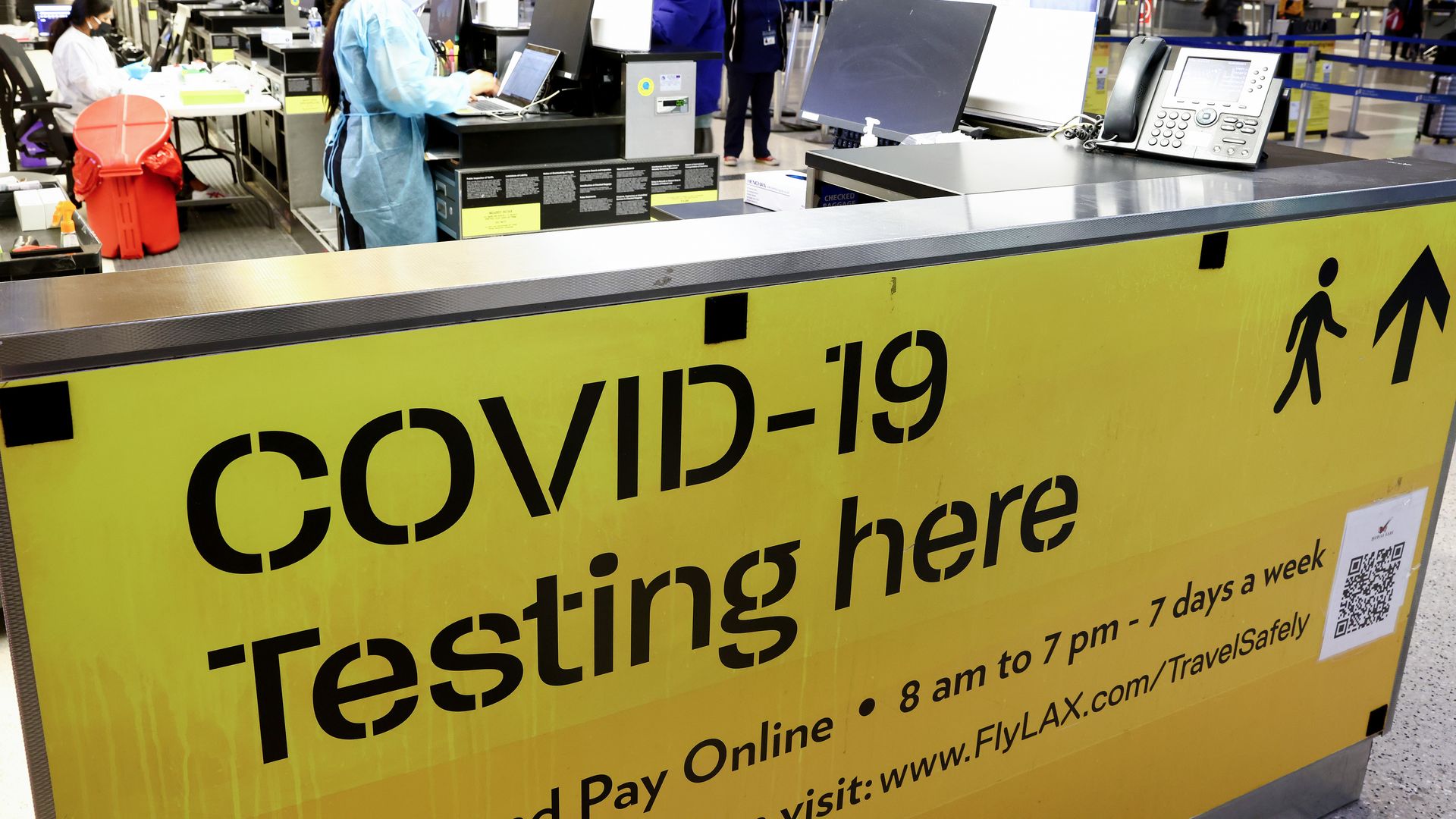
Health measures taken to combat COVID-19 before the emergence of Omicron would also help against the new variant of concern, World Health Organization officials said Friday.
What they're saying: Takeshi Kasai, WHO regional director for the Western Pacific, said during a virtual briefing broadcast from Manila, Philippines, that border controls imposed by the U.S. and other nations can "buy time" to deal with the variant, but warned "every country and every community must prepare for new surges in cases."
The start of the COVID-19 pandemic seems like a lifetime ago to some, and just yesterday to others. Scientists are beginning to unpack the way people processed the passage of timeamidst the stress, uncertainty and isolation of the 1 year, 8 months and 21 days since WHO declared a pandemic.
Why it matters: The pandemic's global effects on how people experience time could provide new insights into the brain's ability to perceive and predict time — a fundamental feature of life.
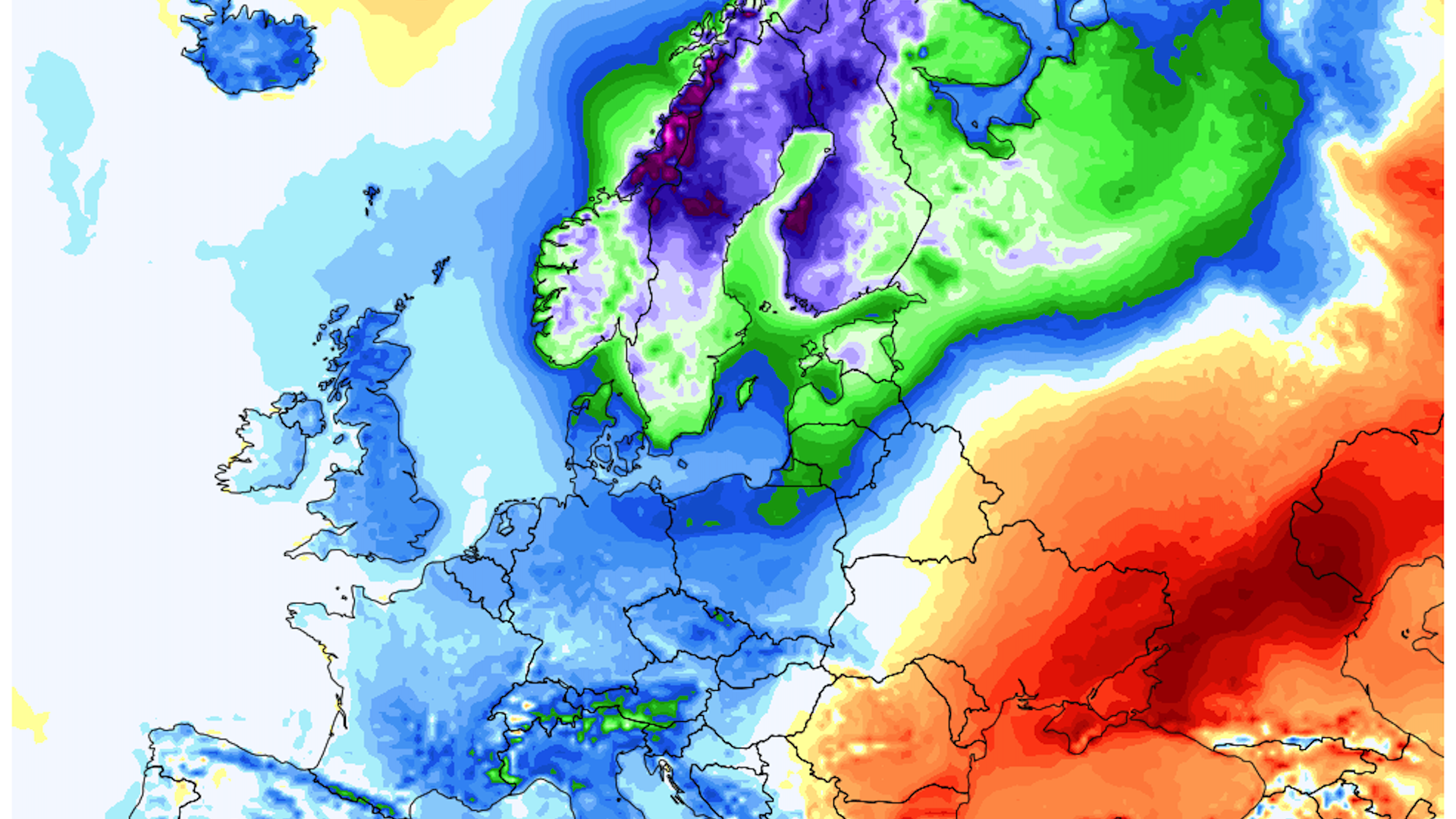
Across a large swath of Europe, from Scandinavia to the U.K. south into France, Spain and Germany, temperatures have been unusually cold as winter gets underway, and they're about to plunge further.
Why it matters: The cold snap is the opposite of what policymakers have been hoping for, given that Europe entered the 2021-22 winter season with the least amount of natural gas on hand in at least a decade.