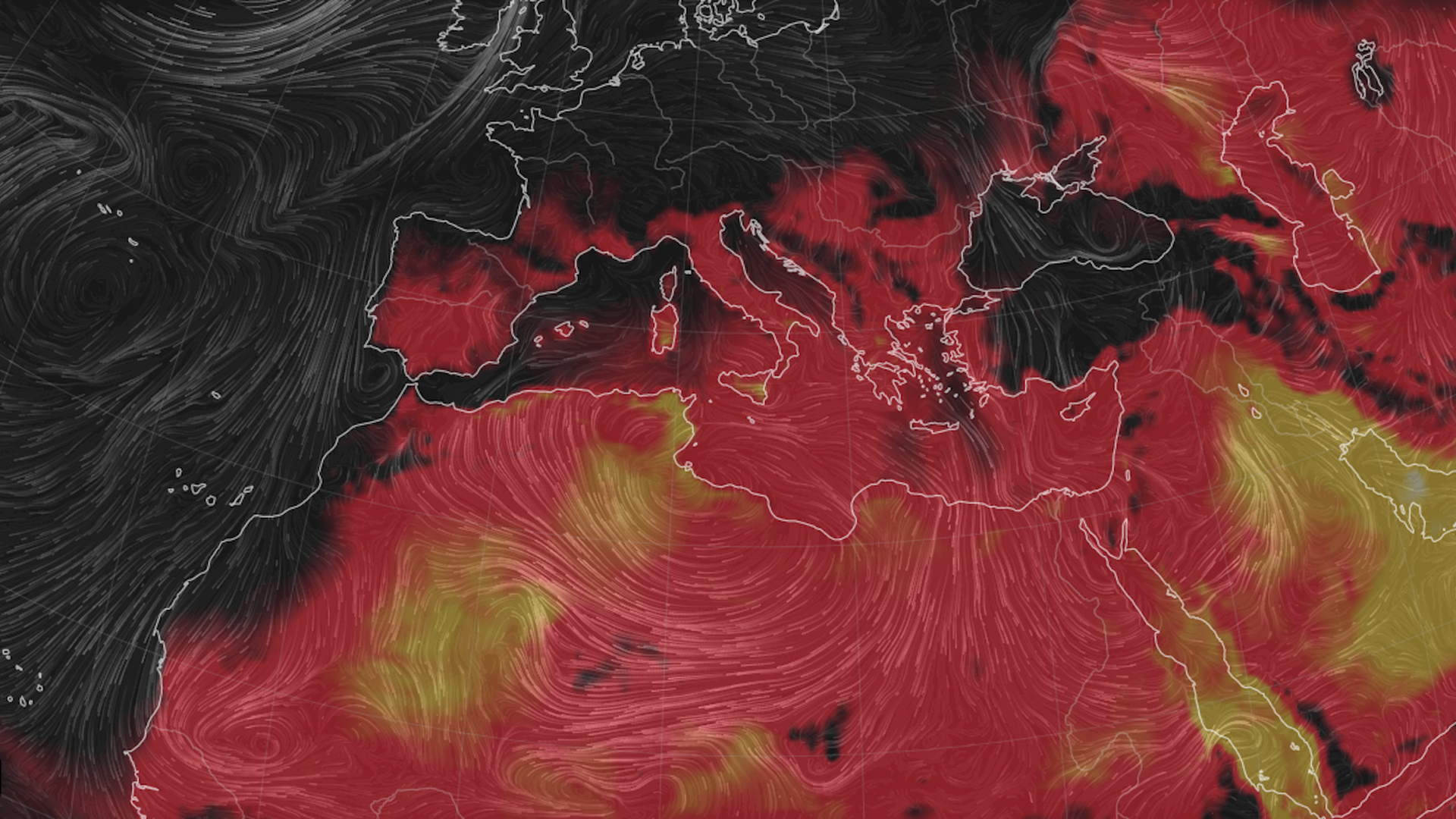
A weather station in Sicily may have set an all-time high temperature record for all of Europe on Wednesday, when the temperature climbed to a scorching 48.8°C (119.8°F) amid a regional heat wave that has shown few signs of relenting.
The big picture: The intense heat wave continues to roast the Mediterranean and northern Africa. The hot and dry weather has played a large role in creating the conditions conducive for explosive and devastating wildfires in Turkey and Greece.
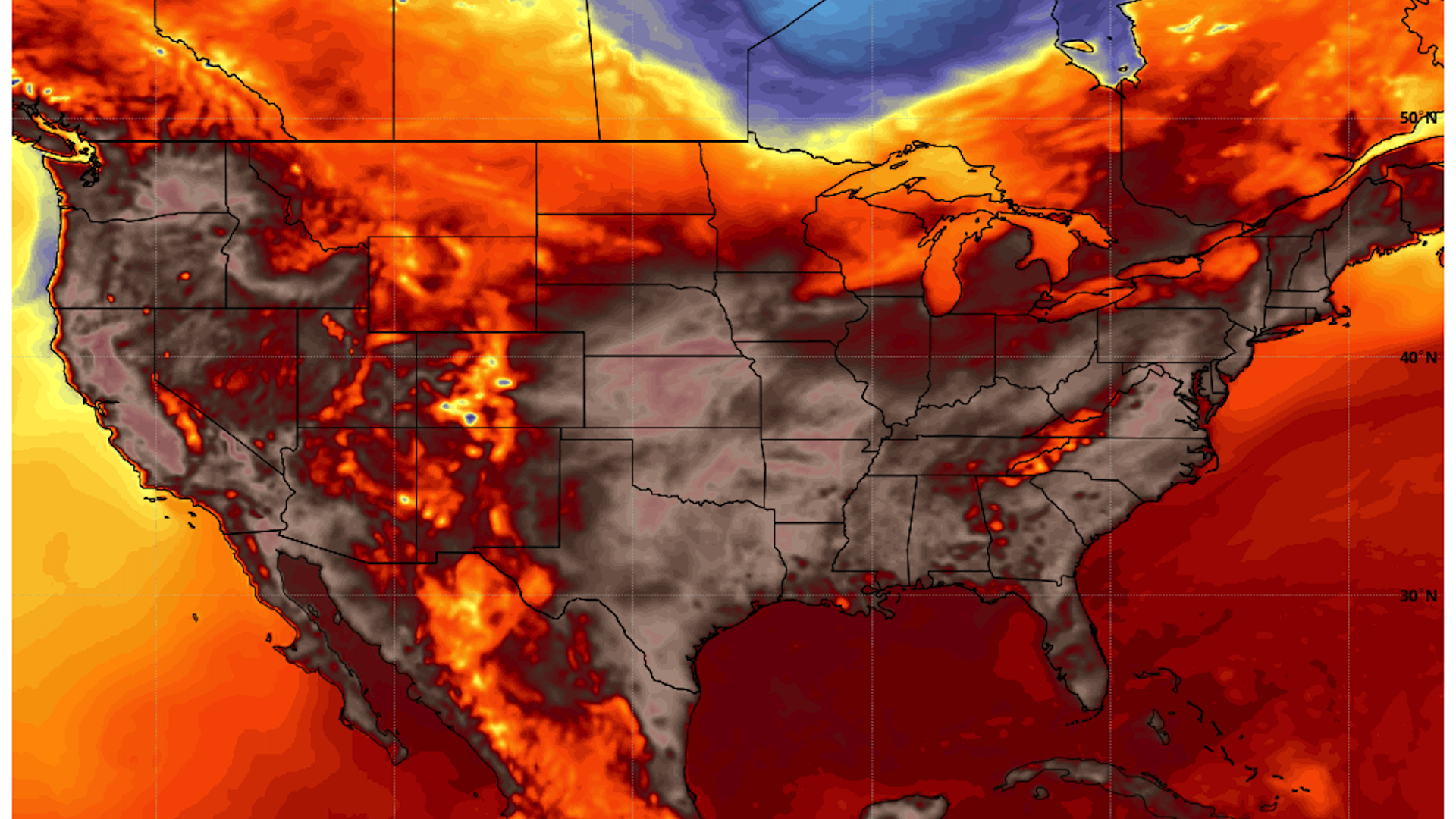
Nearly 200 million Americans are under heat advisories or excessive heat warnings as dual "heat domes" affect the Pacific Northwest, Central states and East Coast.
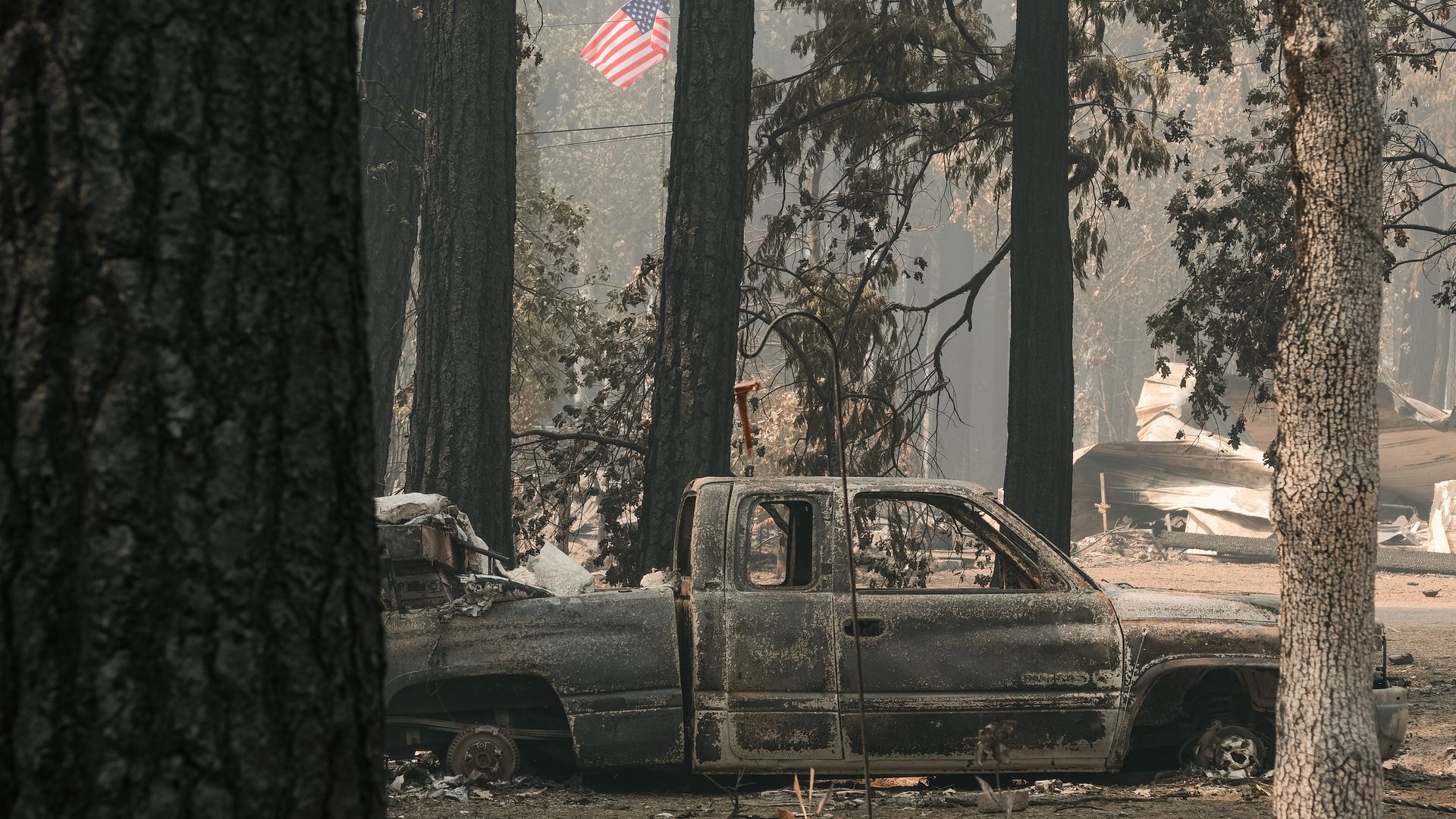
Why it matters: Extreme heat can kill, and it can also greatly aggravate wildfire conditions, making it even harder for thousands of firefighters to contain California's Dixie Fire, the state's second-largest on record.
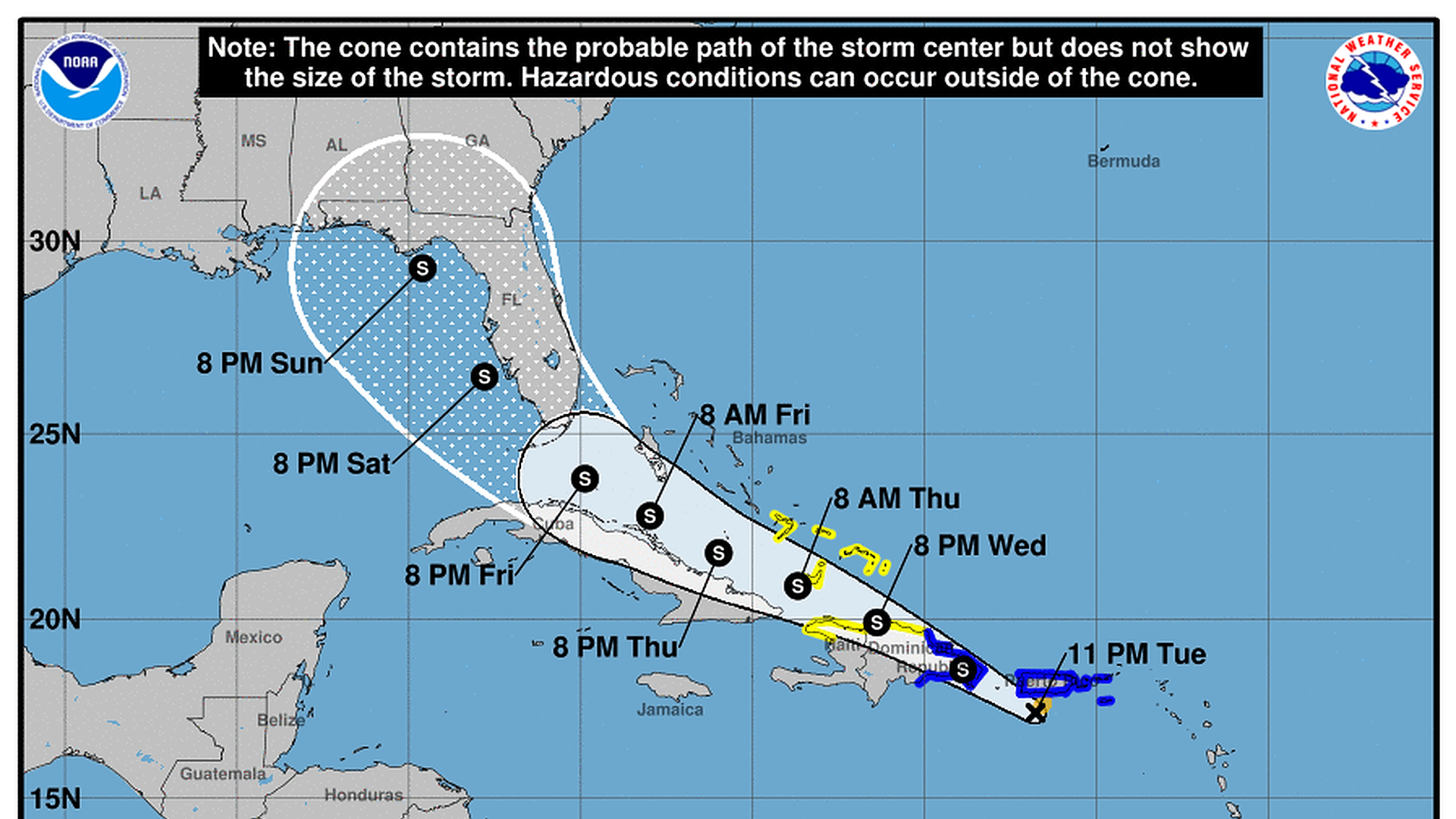
Tropical Storm Fred formed south of Puerto Rico late Tuesday — and Florida is in its path, according to the five-day forecast.
State of play: Fred is the sixth named storm of this Atlantic hurricane season. The storm system could intensify over the eastern Gulf this weekend, possibly to a hurricane, though the National Hurricane Center said it's too early to tell for sure.
The "most important" step Americans should take to prepare for peak hurricane season is to get vaccinated against COVID-19 in case they have to evacuate, the White House said Tuesday.
Why it matters: The statement followed President Biden's meeting on hurricane preparedness with senior FEMA officials and others, who advised him of the measure — hours before Tropical Storm Fred formed near Puerto Rico. Florida is in the path of the storm, which could possibly intensify into a hurricane.
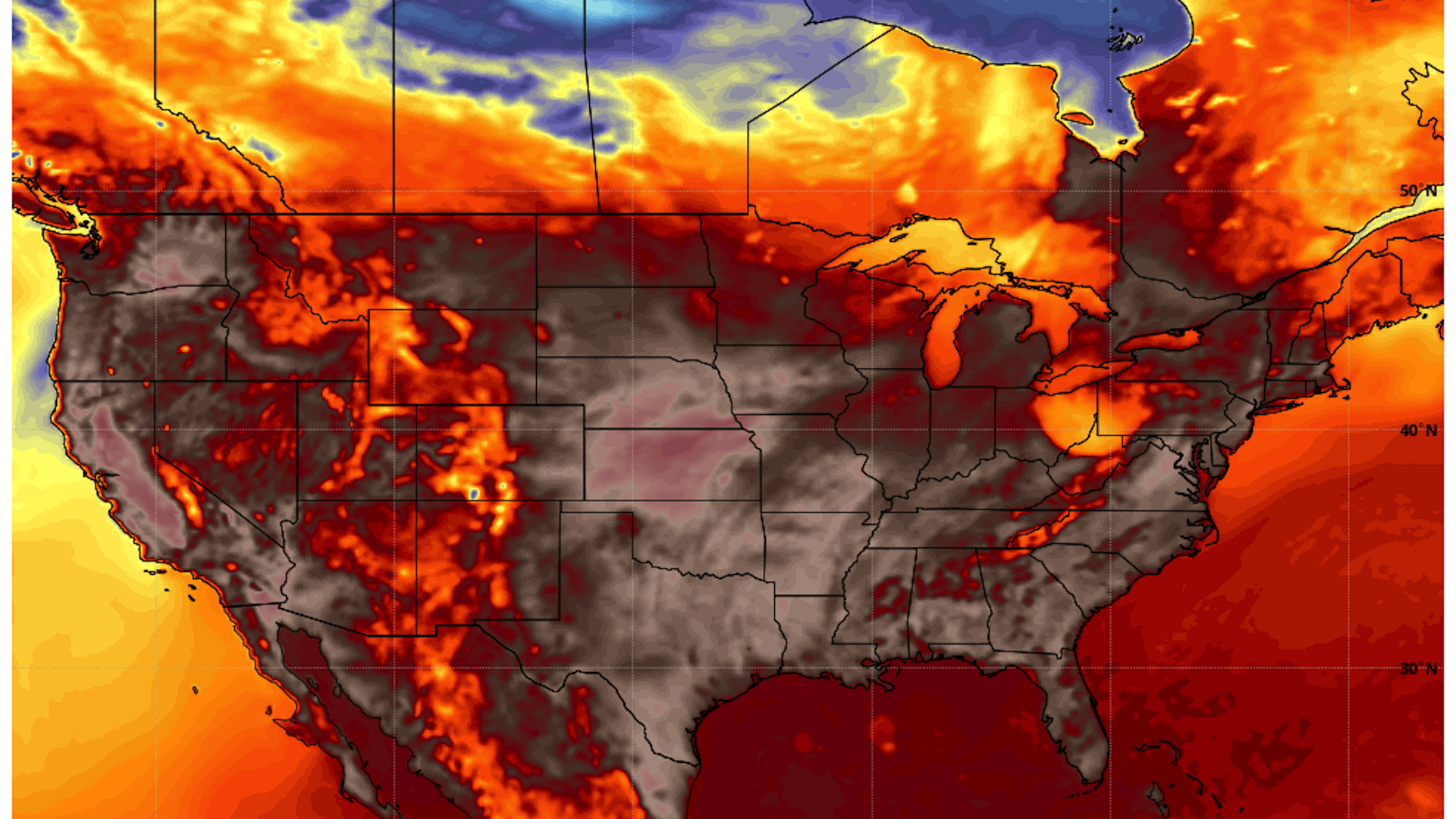
Heat warnings and advisories are in effect for at least two dozen states through the end of the week. 25 million people are projected to see highs reach or eclipse 100 degrees Fahrenheit this week, as yet another powerful heat dome-dominated weather pattern affects a huge swath of the country.
Why it matters: The heat wave will combine with drought conditions in the Pacific Northwest to aggravate an already dire wildfire situation and bring more miserable weather to residents of Portland, Oregon, and other states hit hard by record-shattering heat in late June and early July.