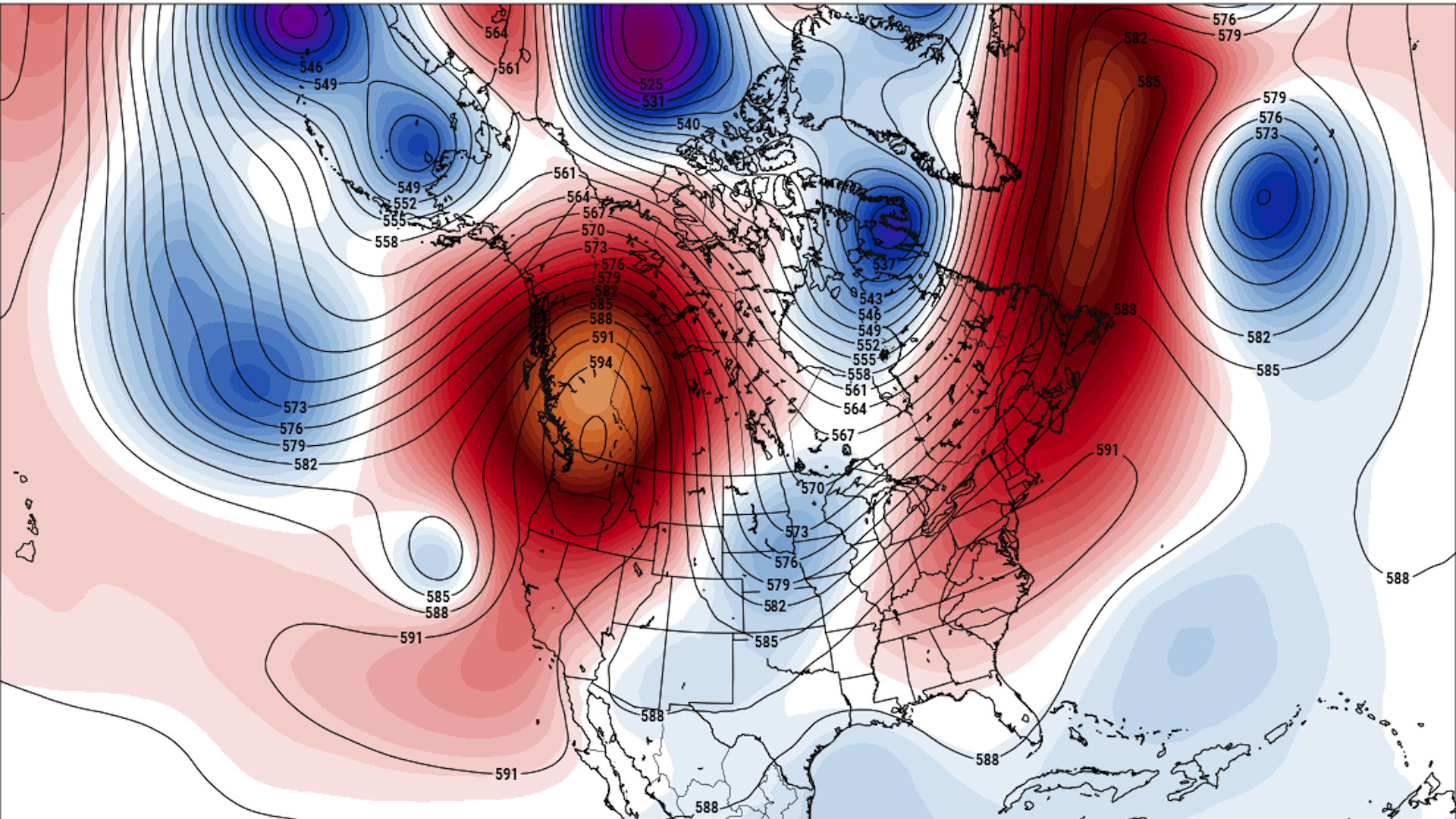
A heat wave is bringing unprecedented high temperatures to the Pacific Northwest — a region of the country typically cooled by the ocean, rather than central air conditioning. The heat will begin Friday and last into early next week.
Why it matters: The heat wave will shatter monthly and all-time temperature records in the Pacific Northwest. Some of the records could break the old milestones by several degrees.
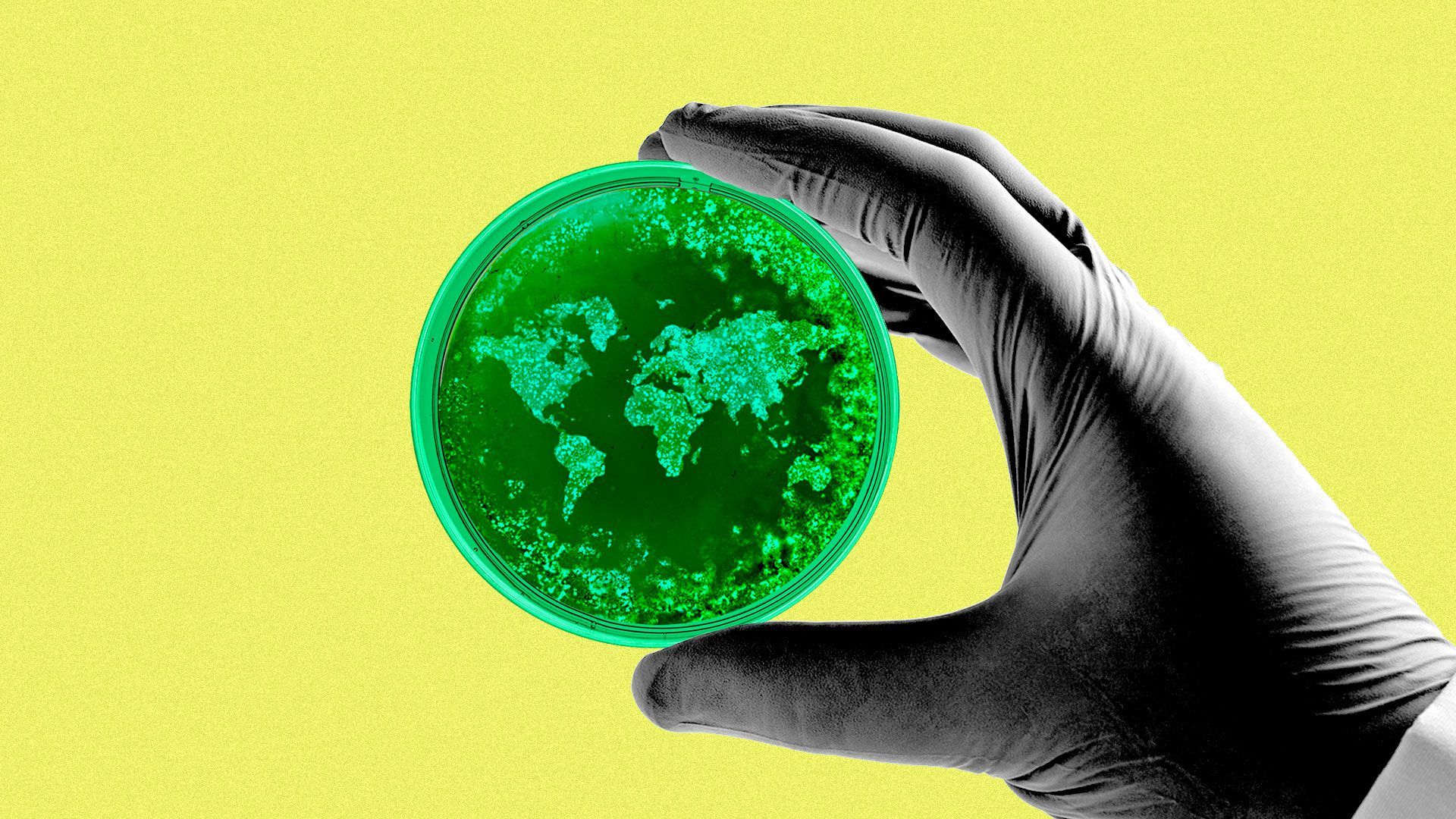
An industry centered around unproven stem cell therapies is flourishing due to misinformation.
Why it matters: Stem cells offer a tantalizing potential to address a large number of diseases, like Parkinson's, ALS, cancers and bodily injuries. But only a small number of therapies have been found safe and effective through clinical trials, while misinformation continues to proliferate.
The world's scientific power centers have shifted — and now researchers and nations collaborating on science with the U.S. and China face getting caught up in their broader competition.
Why it matters: Both the U.S. and China are linked to other global research players that are poised to shape science and innovation in the coming decades — and that would feel the ripple effects of partnerships frayed by geopolitics.
NASA should update its radiation limits for all astronauts as it considers sending people on long-duration missions to destinations like Mars, according to a new report from the National Academies of Sciences, Engineering and Medicine.
Why it matters: Radiation exposure is a major risk for astronauts, who, when exposed especially to high-energy galactic cosmic rays in deep space, can be at increased risk of developing cancer, cognitive issues and cardiovascular problems.
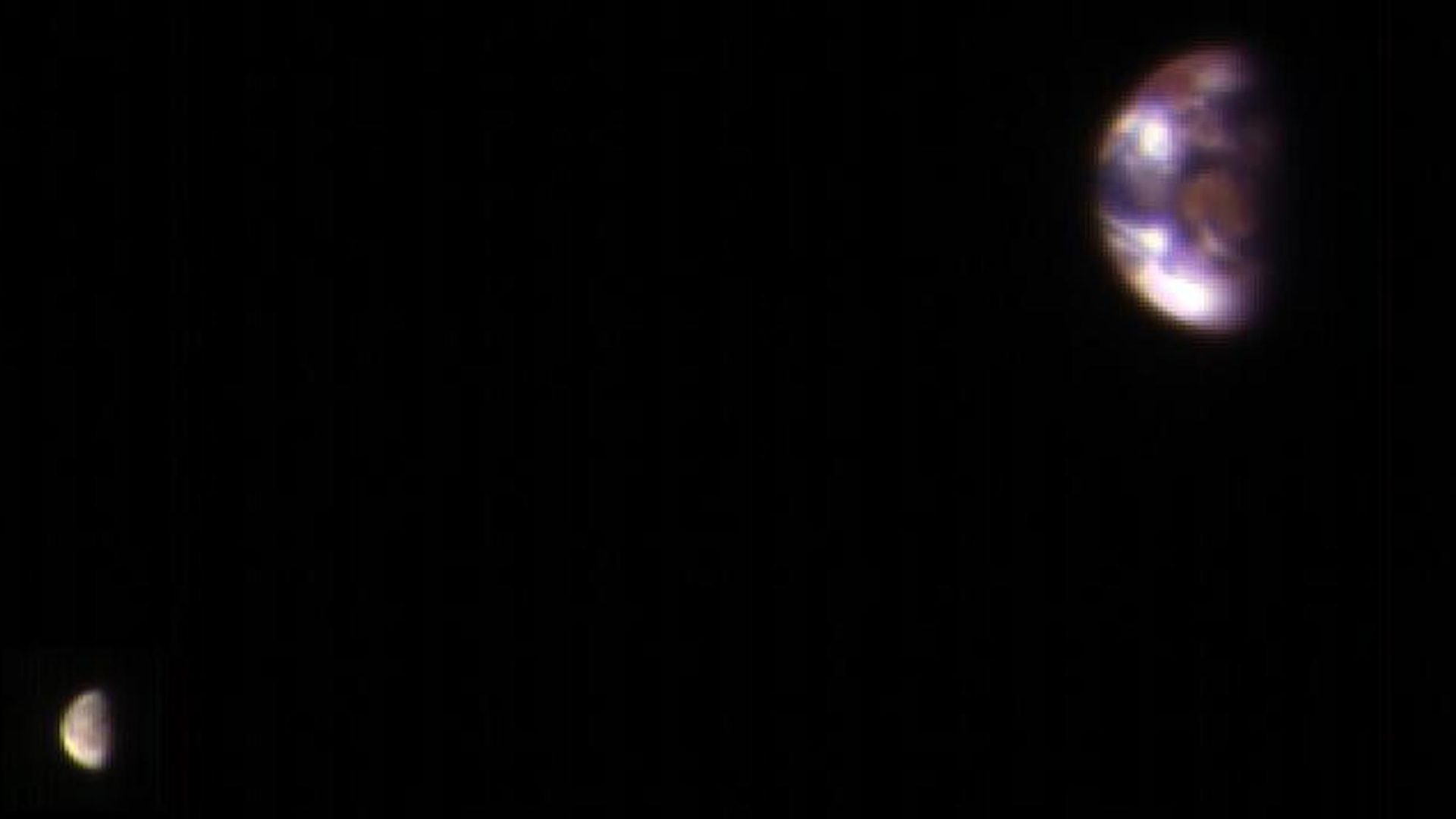
Twenty-nine potentially habitable planets orbiting relatively nearby stars were in in a position to spot Earth in the past 5,000 years and possibly detect radio waves from our planet, according to a new study.
Why it matters: If intelligent life is out there, chances are it's searching for us too and any theoretical astronomers on these worlds would have been in a position to observe our planet in much the same way as Earthlings study distant stars and planets today.
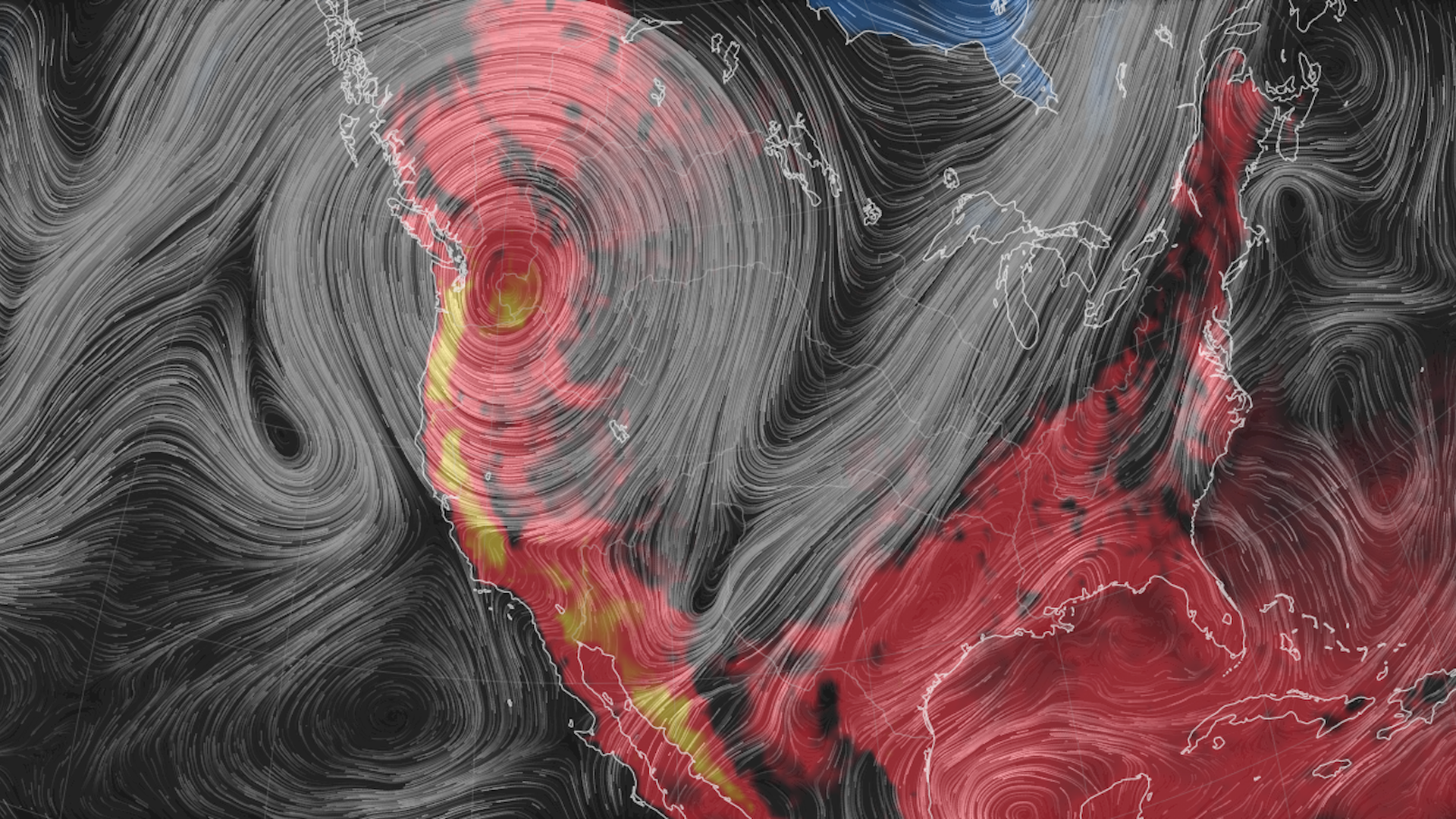
A "historic" and potentially deadly heat wave is on tap for the Pacific Northwest into southwestern Canada this weekend into early next week, with never-before-seen temperatures possible in cities like Portland, Ore., and Spokane, Wash.
Why it matters: The heat wave will affect a region where many people lack central air conditioning, raising the likelihood for public health impacts. In addition, power demand is likely to spike at a time when hydropower resources are running relatively low due to drier than average conditions.
An intense and expansive heat wave has gripped parts of Siberia, northwestern Russia and Scandinavia, inducing a record plunge in sea ice cover in the Laptev Sea, which is part of the Arctic Ocean.
Why it matters: Due largely to human activities such as fossil fuel burning and deforestation, the Arctic is warming at a rate more than twice as fast as the rest of the globe.





/2021/06/24/1624553854123.gif?w=3840)
/2021/06/23/1624452649955.gif?w=3840)