The Chinese Center for Disease Control and Prevention's director said Saturday authorities are considering mixing COVID-19 vaccines because the country's domestically made doses "don't have very high protection rates," per AP.
Why it matters: The remarks by the Gao Fu at a news conference in the southwestern city of Chengdumark mark the first time a Chinese health official has spoken publicly about the low efficacy of vaccines made in China.
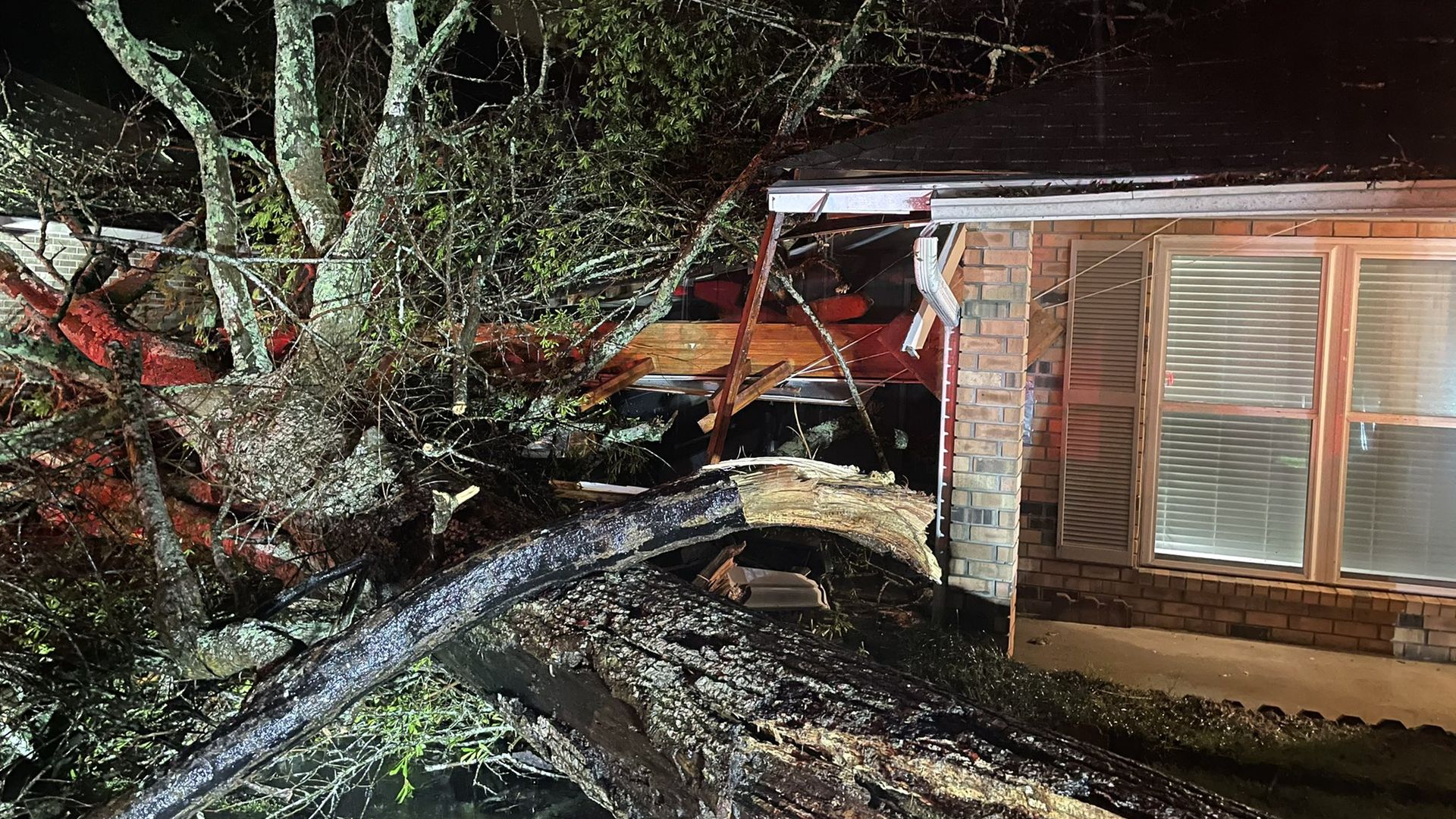
Strong storms lashed the South early Saturday, spawning at least one tornado and unleashing powerful winds and hail. And forecasters warned more severe weather was expected to hit parts of the region in the coming hours.
Details: Thousands of customers lost power in Florida, Mississippi, Arkansas, Texas and Louisiana, according to tracking site poweroutage.us. An F3 tornado that hit St Landry Parish, Louisiana, killed one person and wounded seven others.
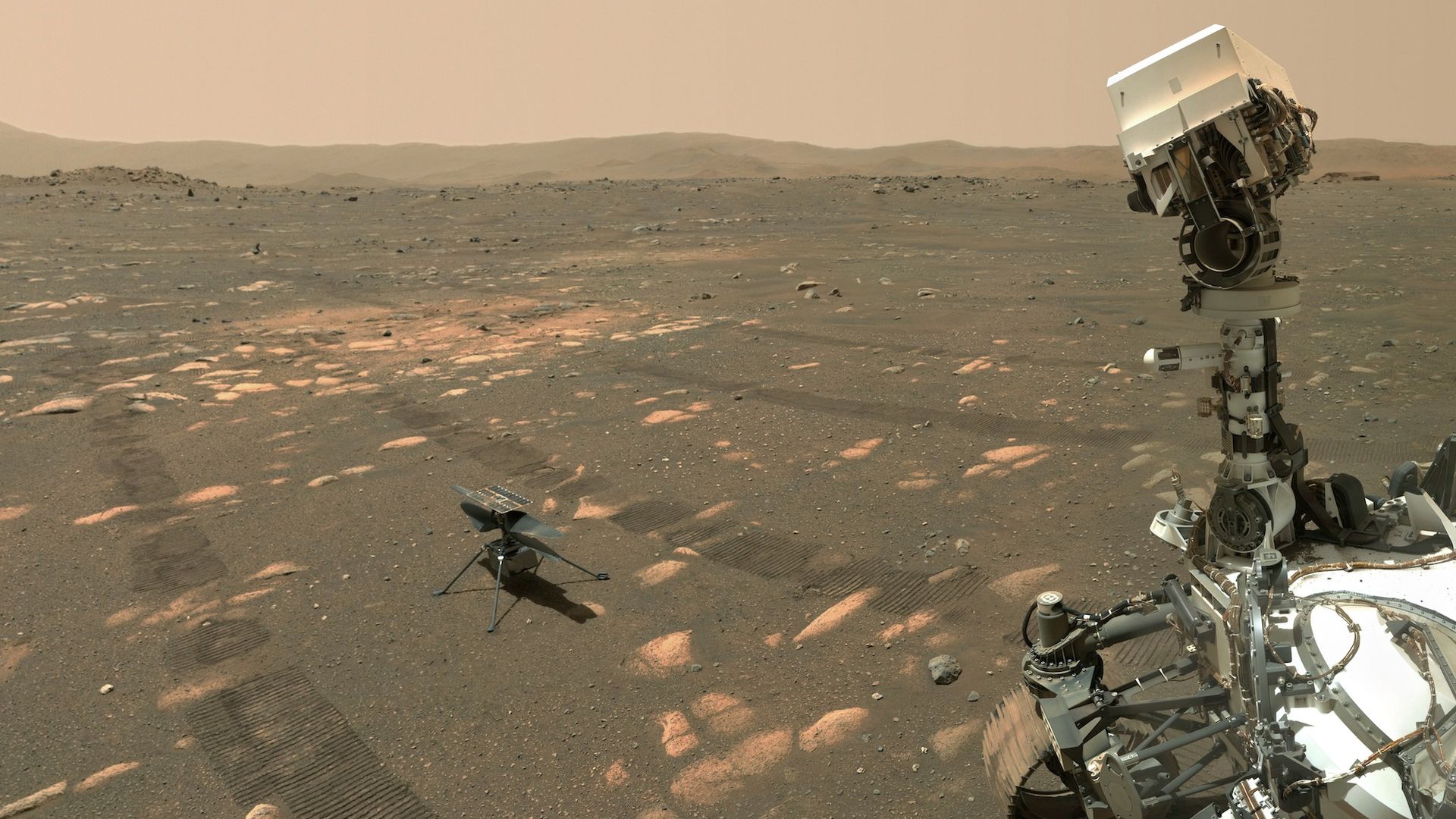
NASA announced Saturday it rescheduled its Ingenuity Mars helicopter's first experimental flight, originally planned for Sunday.
The latest: "During a high-speed spin test of the rotors on Friday, the command sequence controlling the test ended early due to a 'watchdog' timer expiration," NASA said in a statement. "This occurred as it was trying to transition the flight computer from ‘Pre-Flight’ to ‘Flight’ mode."
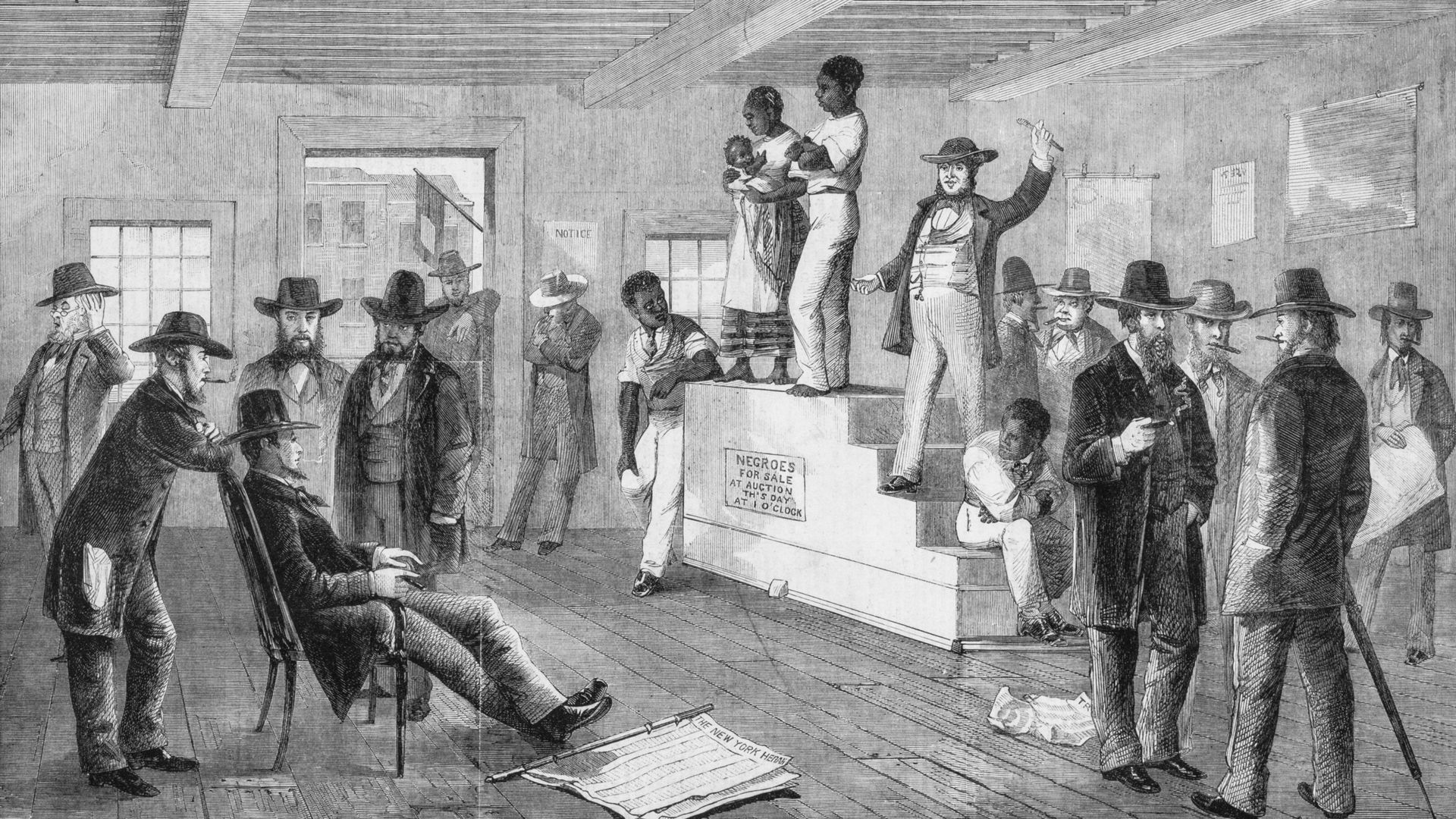
The Andrew W. Mellon Foundation granted $1.4 million to Michigan State University's Enslaved.org, a database developed by MSU researchers containing millions of records cataloging the lives of enslaved Africans and their descendants.
Why it matters: The open-access research platform, developed by historians, archivists, librarians, genealogists, data scientists and the general public, contains records on more than 600,000 people through which anyone can see the lives of the enslaved in richer detail.
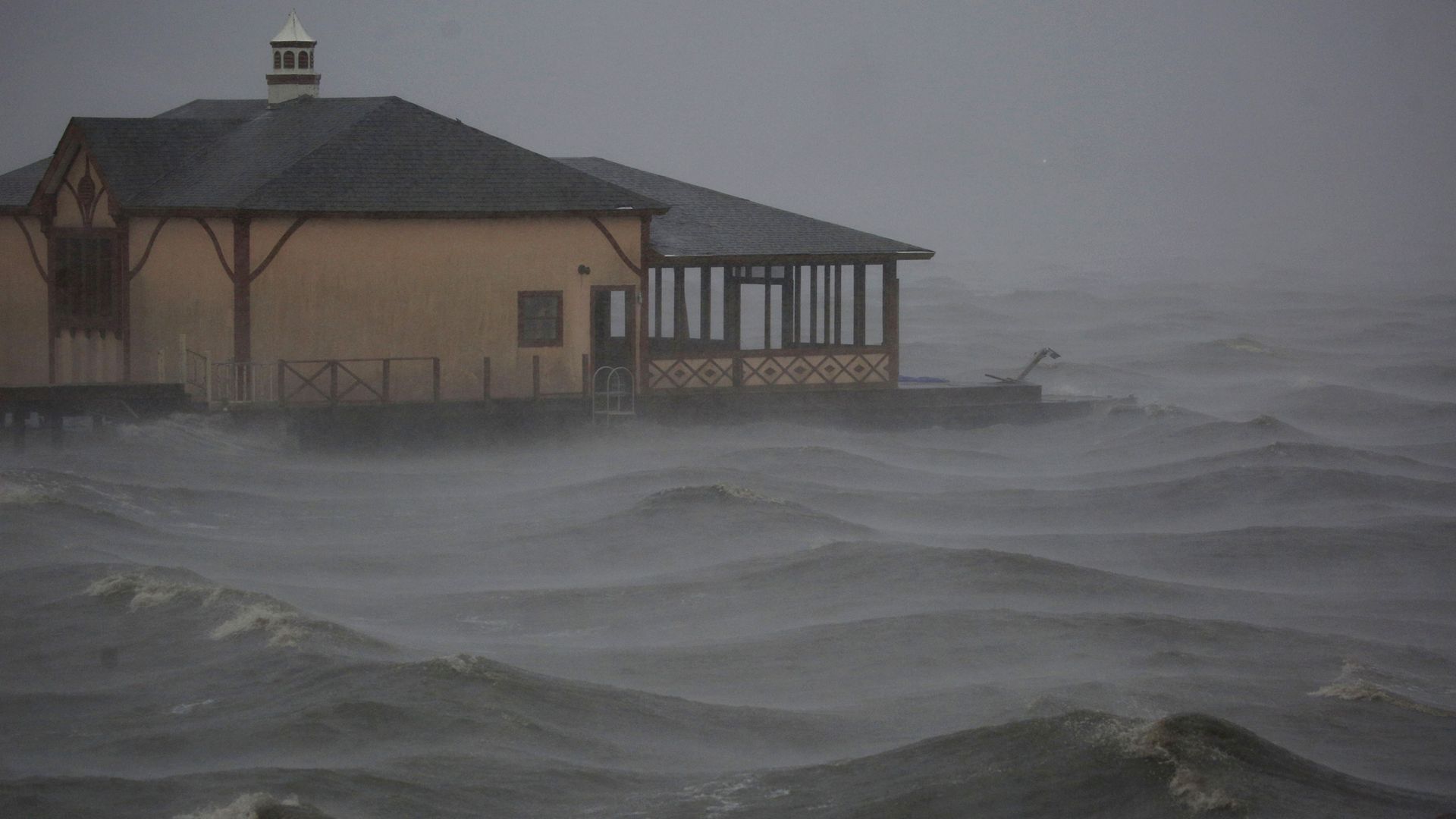
More tropical storms and hurricanes will take place during an "average" Atlantic hurricane season, the National Oceanic and Atmospheric Administration announced Friday in its new guidelines.
Why it matters: NOAA attributed the uptick in hurricanes to better reconnaissance technology and climate change warming the oceans and atmosphere, which may make the storms more common and destructive.