A new approach to predictinggeopolitical and business events combines scenario planning for multiple alternative futures with forecasting methods that put hard probabilities on possible events to come.
Why it matters: Every policy is a prediction, as futurists like to say. Researchers hope a new science of prediction can improve the chances that policymakers and business leaders won't be caught off guard by rare black swan events, while allowing them to prioritize their preparations.
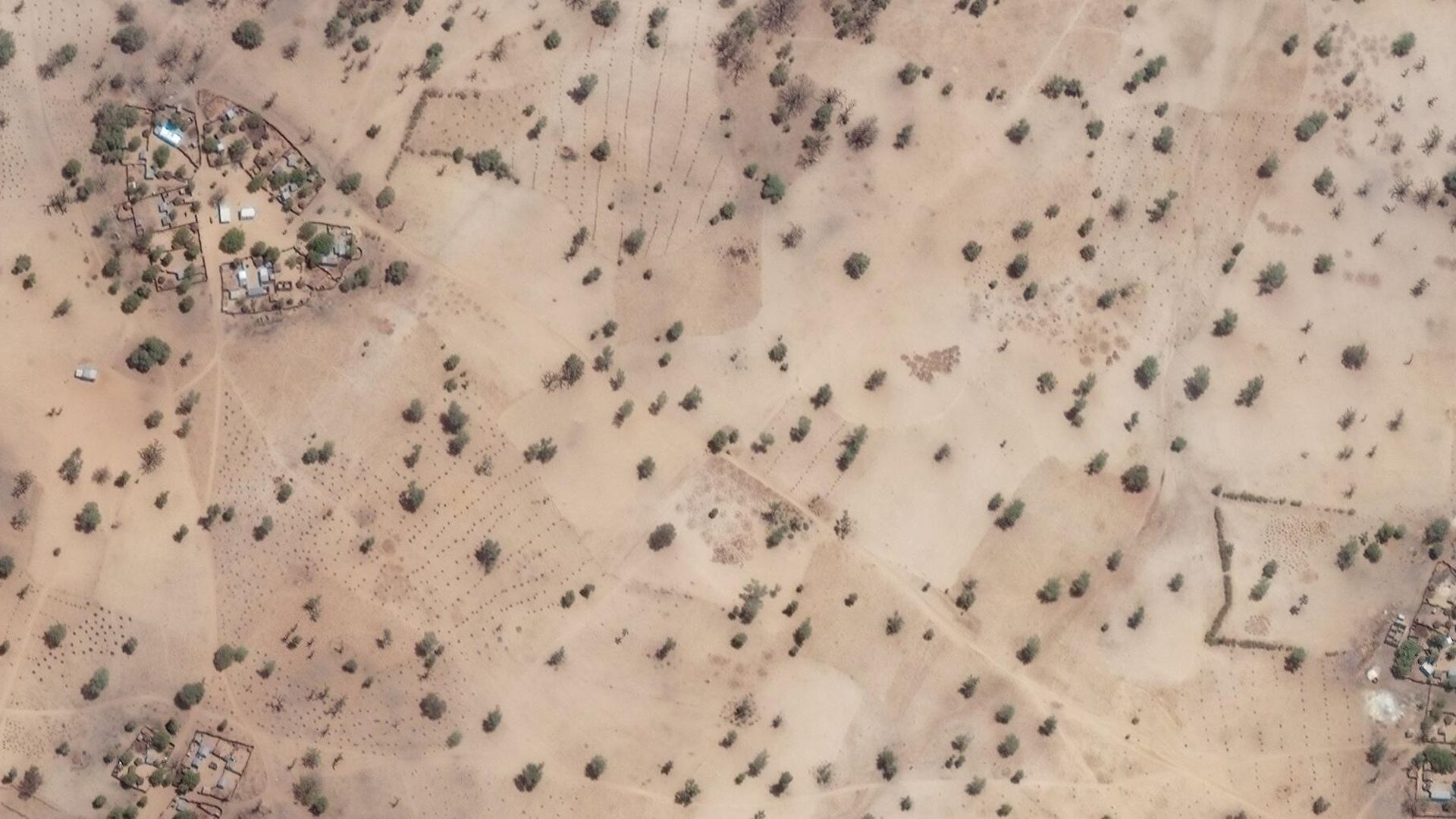
The deserts and drylands of West Africa appear treeless, but researchers have found more than 1.8 billion individual trees and shrubs there, according to a new paper.
Why it matters: Non-forest trees support flora and fauna, provide sources of food and shelter for animals and people, and help moderate climate change by absorbing carbon.
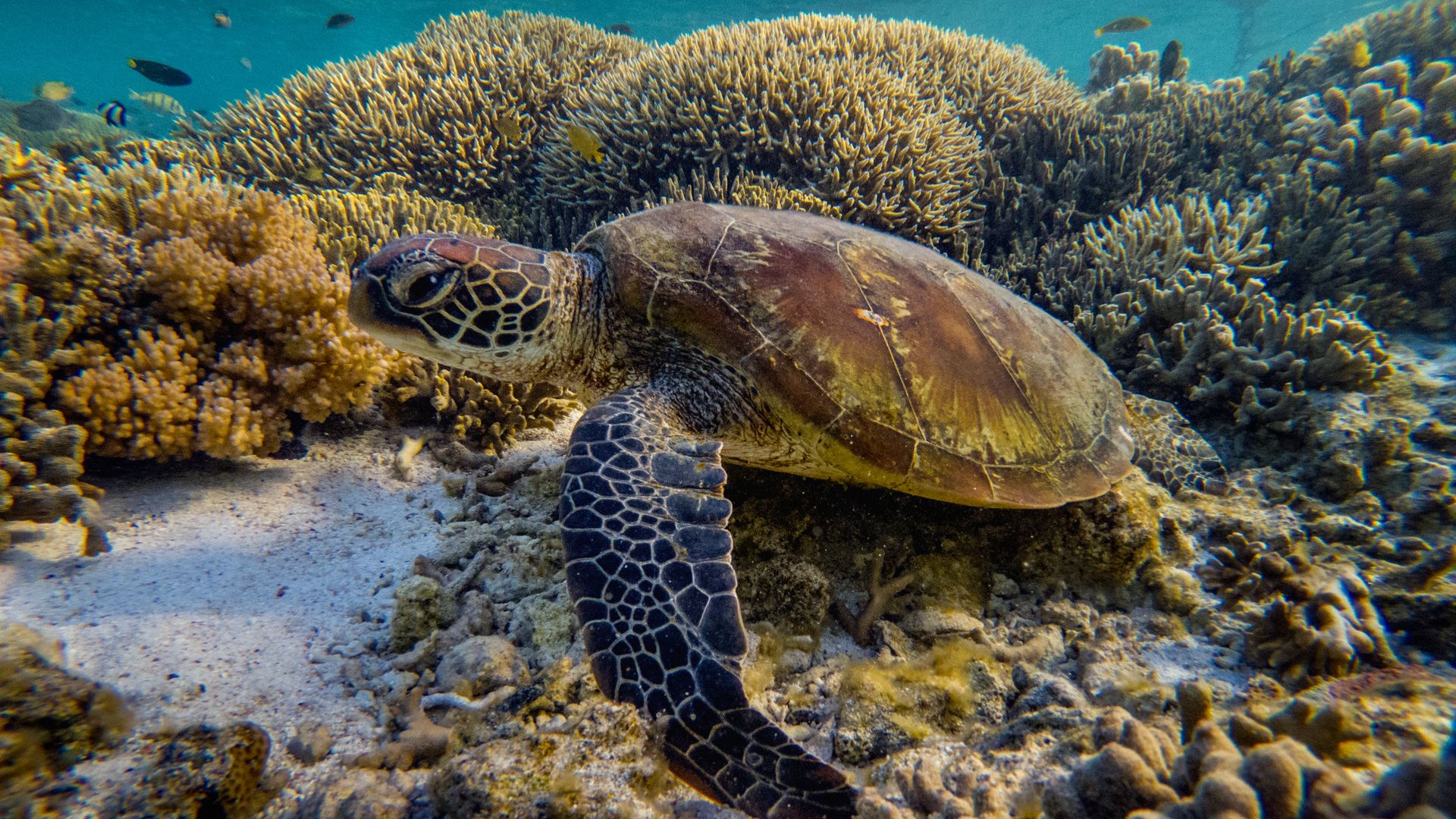
Australia's Great Barrier Reef has lost over half of its coral populations in the past three decades because of ocean warming, a study published in the journal Proceedings of the Royal Society B published Wednesday finds.
Why it matters: The World Heritage-listed underwater ecosystem is a haven for biodiversity, with some 4,000 species of fish, 700 species of coral and "thousands of other species of plants and animals," per the nonprofit Coral Reef Alliance. It spans some 1,400 miles — making it the largest coral reef ecosystem in the world.
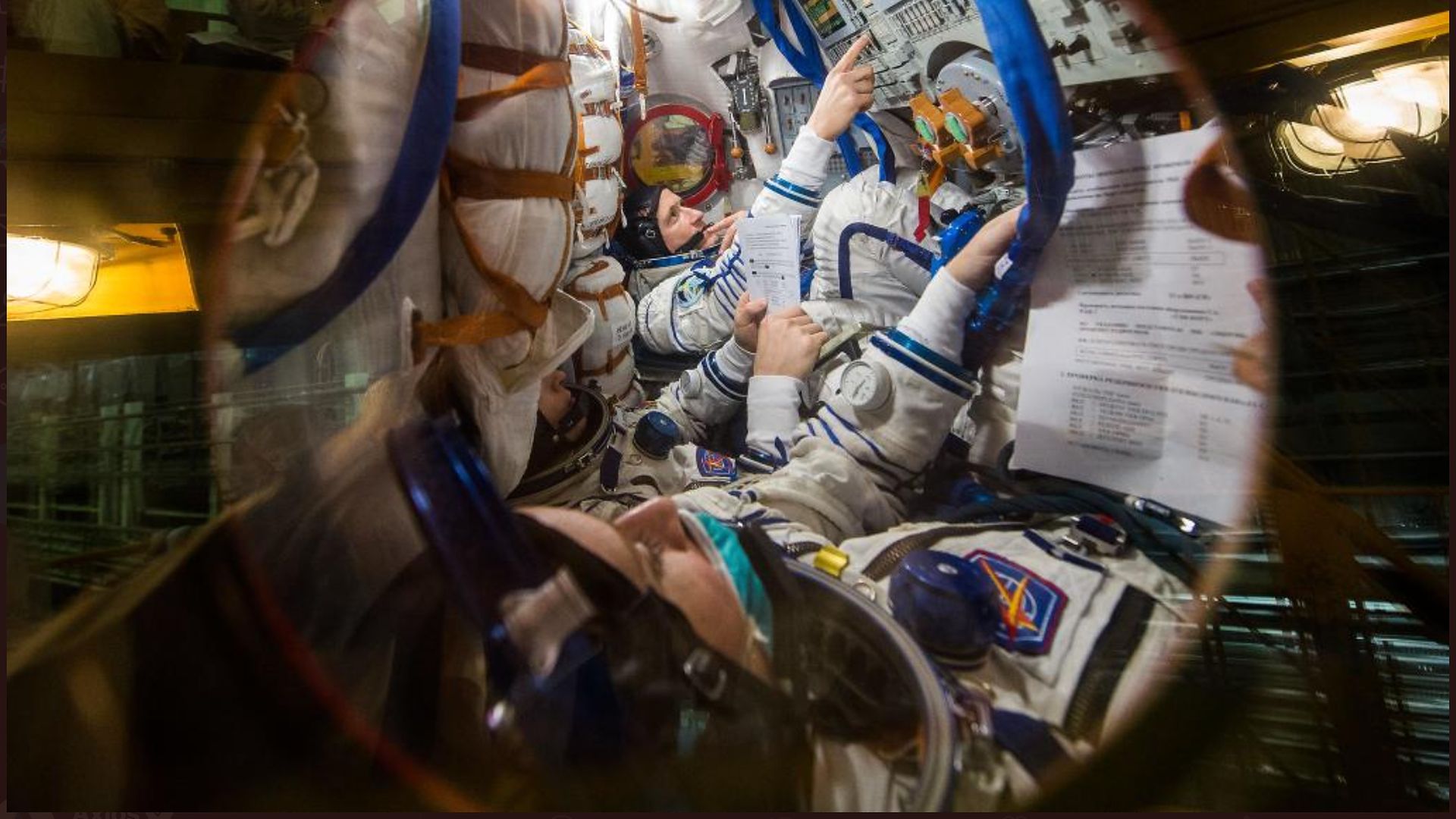
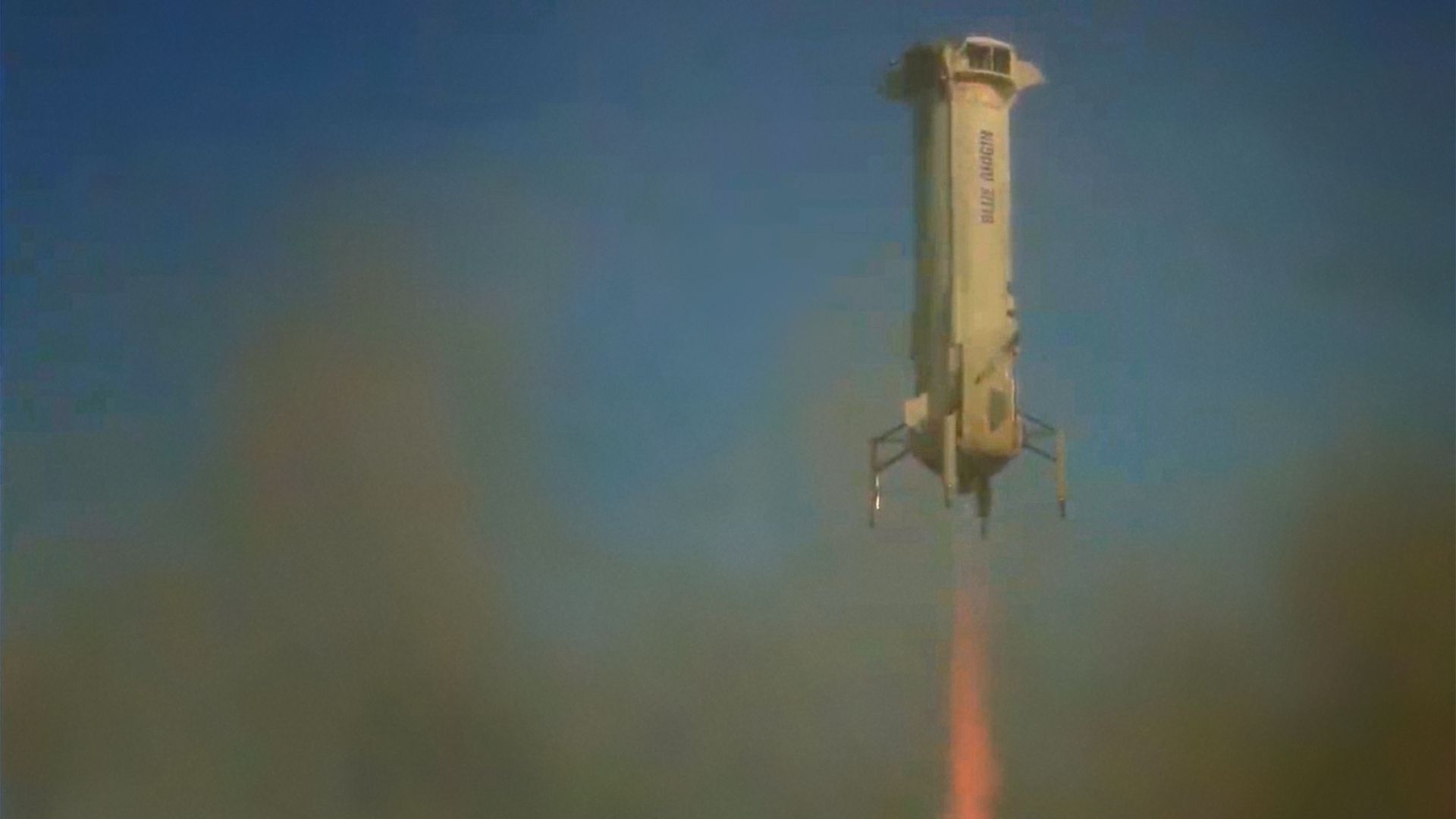
The Soyuz MS-17 spacecraft launched from the Baikonur Cosmodrome in Kazakhstan on Wednesday morning with NASA astronaut Kate Rubins aboard, bound for the International Space Station (ISS).
Why it matters: Per Axios' Miriam Kramer, this is the last contracted flight on the Russian Soyuz spacecraft for NASA, marking the transition to using U.S. launch providers like SpaceX instead.
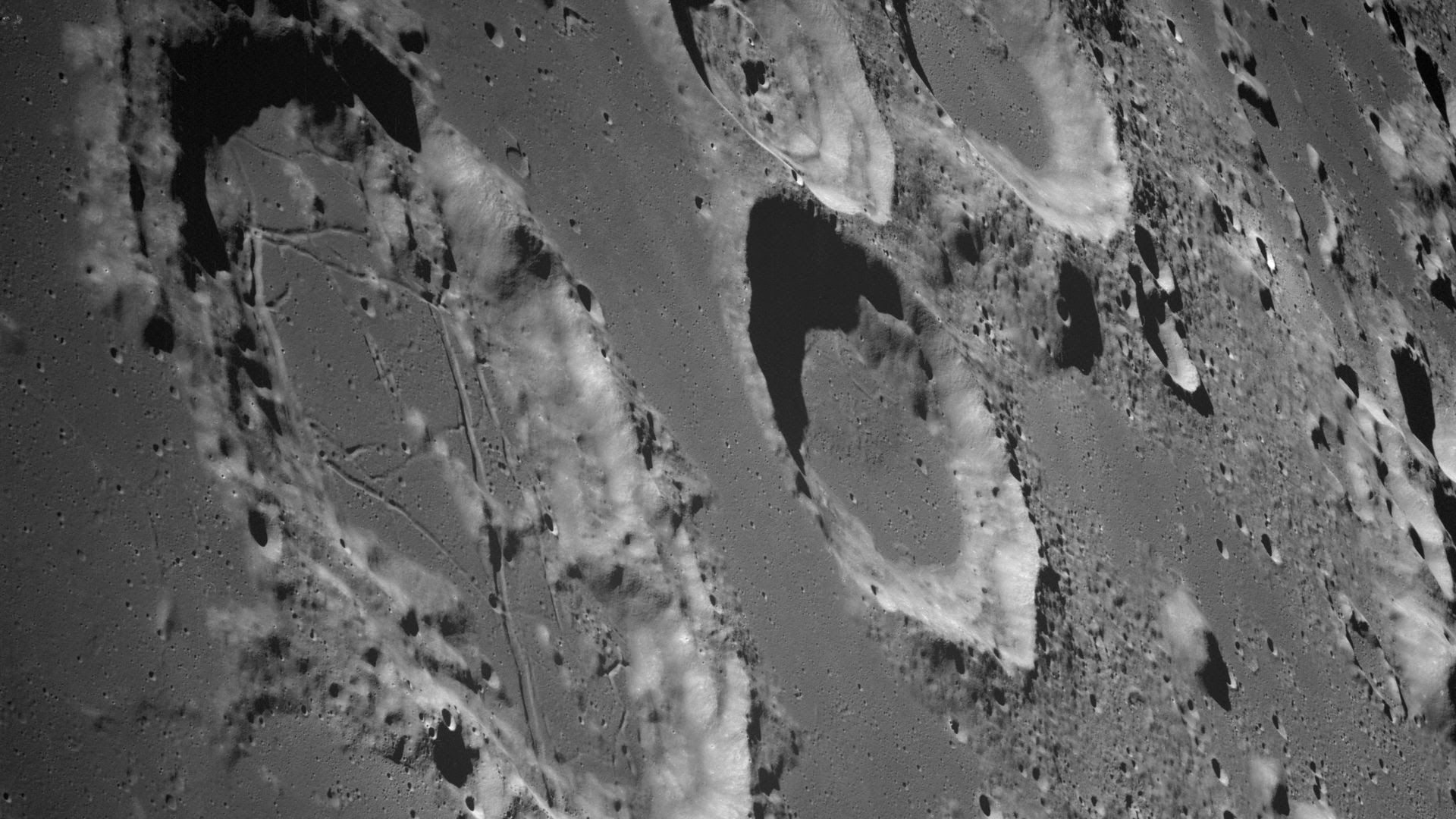
Eight nations signed on this week to the Artemis Accords, a set of principles for exploring the Moon and using its resources.
Why it matters: While NASA's Artemis program to land people on the Moon by 2024 is very much led and developed by the space agency, NASA officials want other countries to buy into lunar exploration through the Artemis Accords in order to make that exploration sustainable and international.
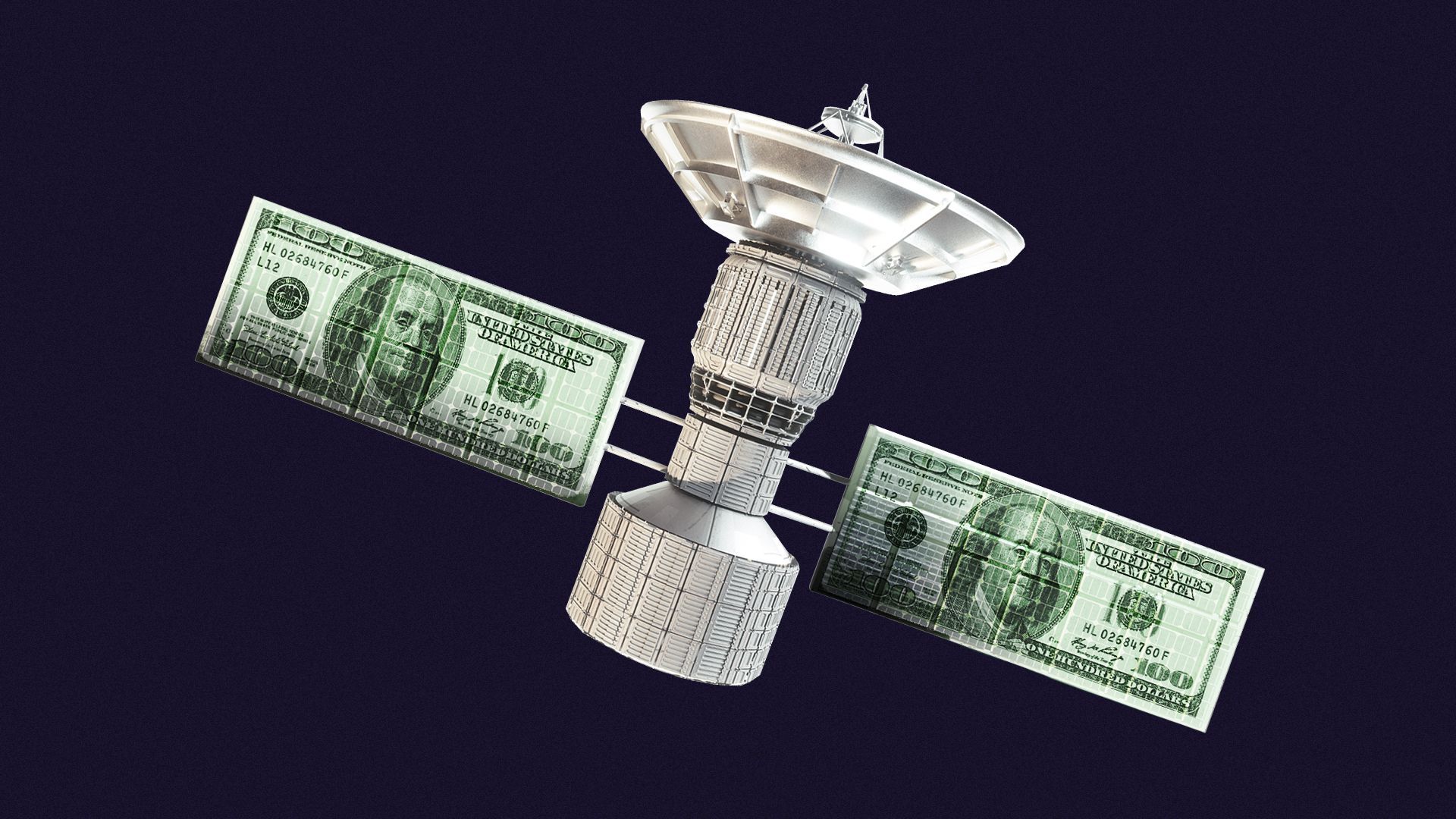
Constellations of Earth-gazing satellites are giving new and growing markets an unprecedented view — and understanding — of the planet.
Why it matters: The Earth observation market was once focused on collecting huge amounts of raw data, but companies are now working to pull in revenue by creating tools to analyze that information for customers.
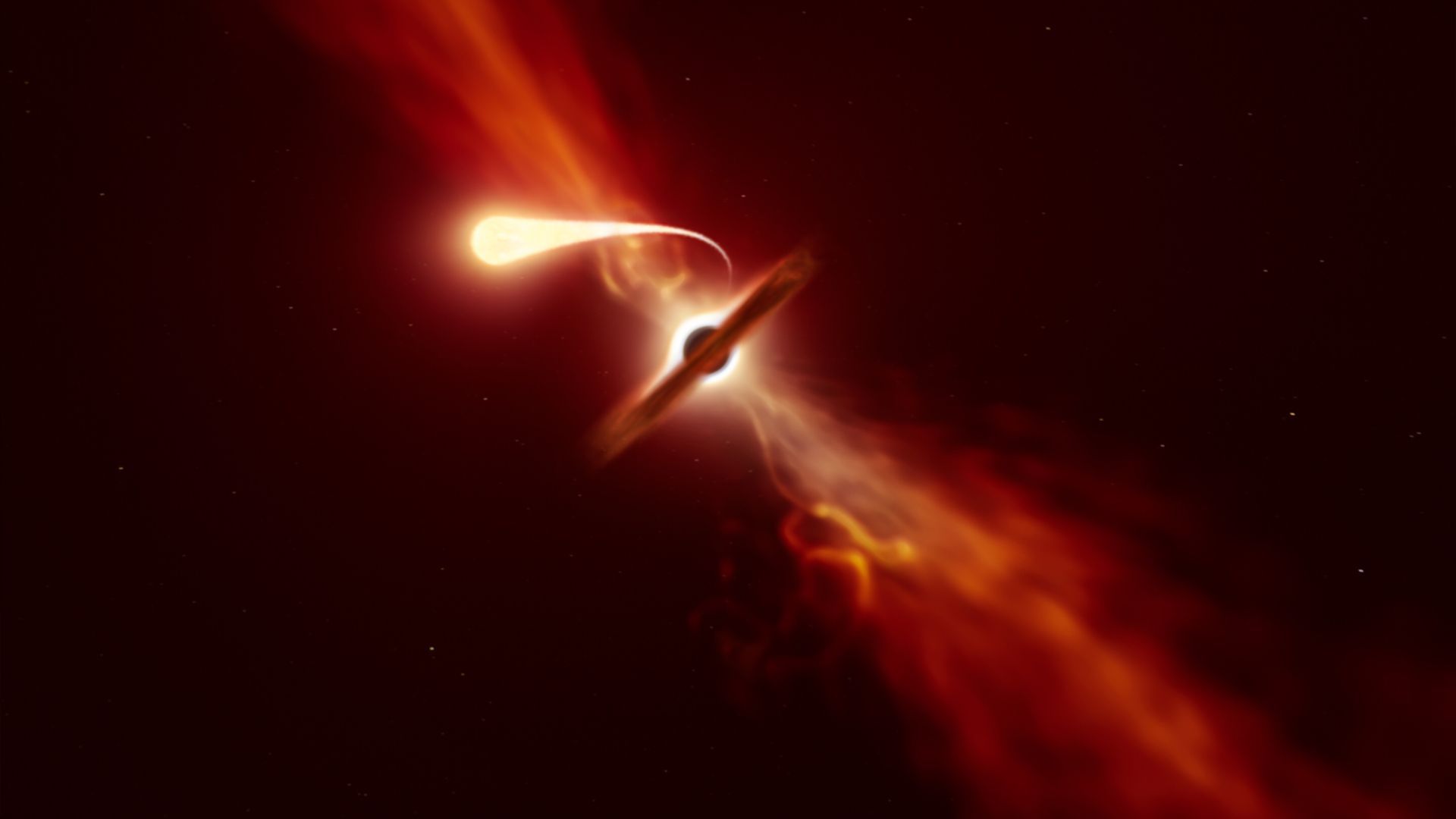
Scientists have spotted a bright flash of light emitted by a star as it was destroyed by a black hole 215 million light-years away.
Why it matters: Black holes are some of the most extreme and difficult to study objects in the universe, and these types of rare events could help researchers piece together more about their nature.
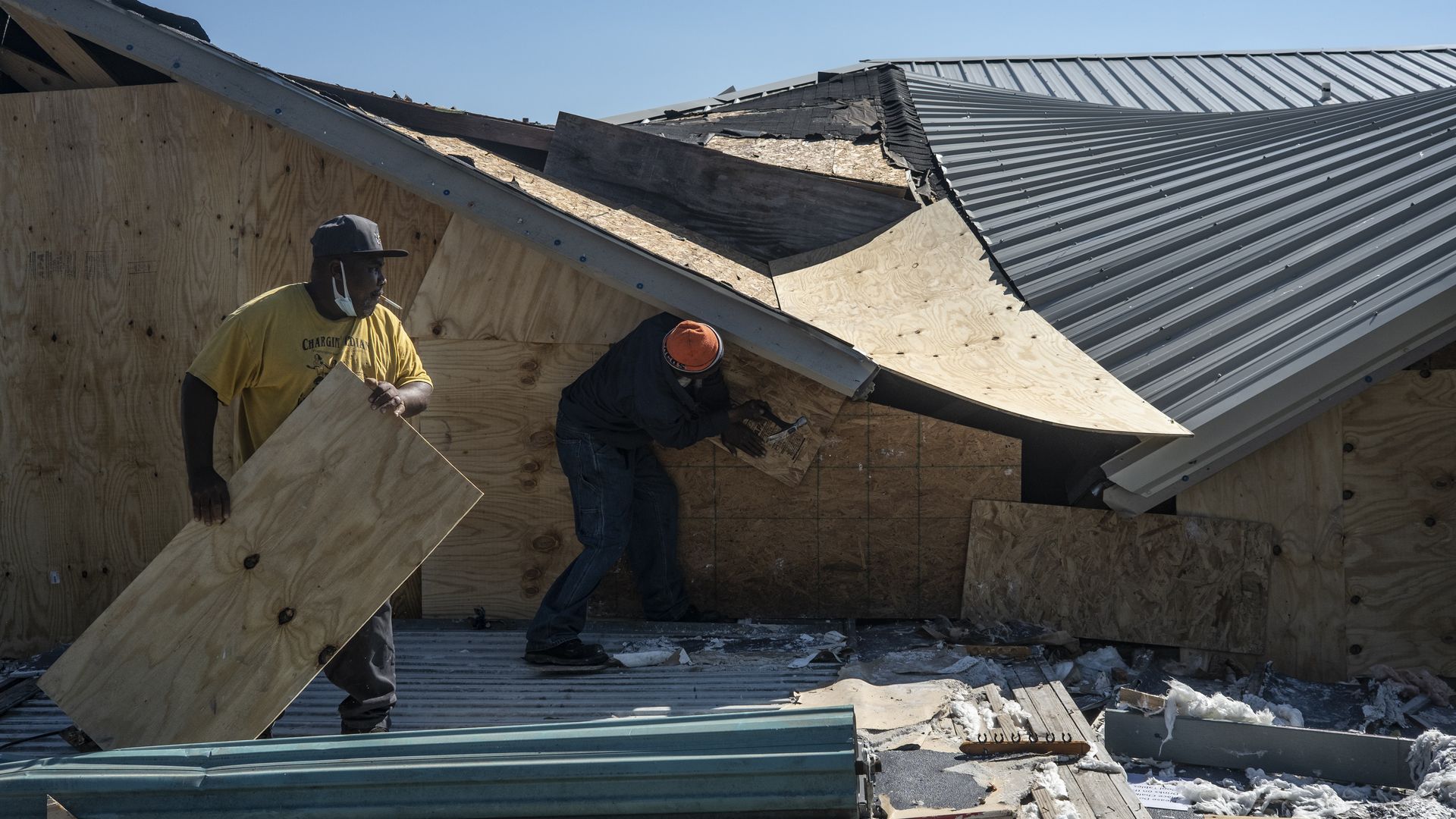
Three deaths have been linked to former Hurricane Delta, as PowerOutage.us reported over 100,000 customers remained without power in Louisiana on Tuesday morning — four days after the storm made landfall in the state.
Details: Louisiana officials said Sunday a man, 86, died while refueling a generator in a shed that caught fire and a woman, 70, died in a fire "likely caused by a natural gas leak following damage." In the Florida Panhandle, Okaloosa County sheriff's office said a 19-year old Illinois tourist drowned Saturday "after being caught in a rip."