Chinese students make up 16%of all graduate STEM students in the U.S. and 2% of undergraduate STEM students, per a new report from Georgetown University's Center for Security and Emerging Technology.
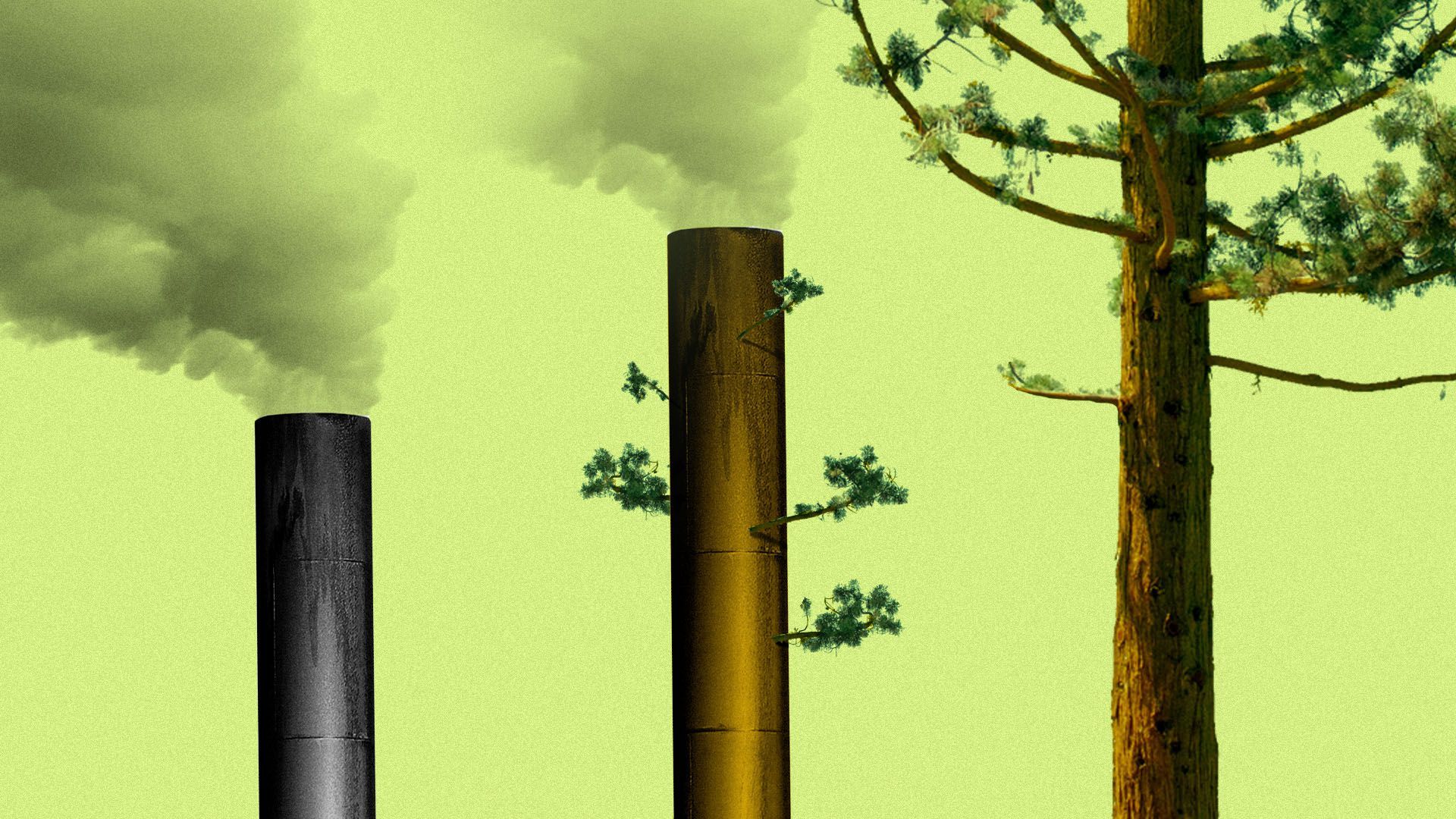
Trees can help to combat climate change, but determining what to plant and where is complex — and whether to plant them at all is a growing debate.
The big picture: Protecting, planting and restoring forests can help offsetglobal warming, but experts stress that greenhouse gas emissions still have to be dramatically cut to reach climate goals for the planet.
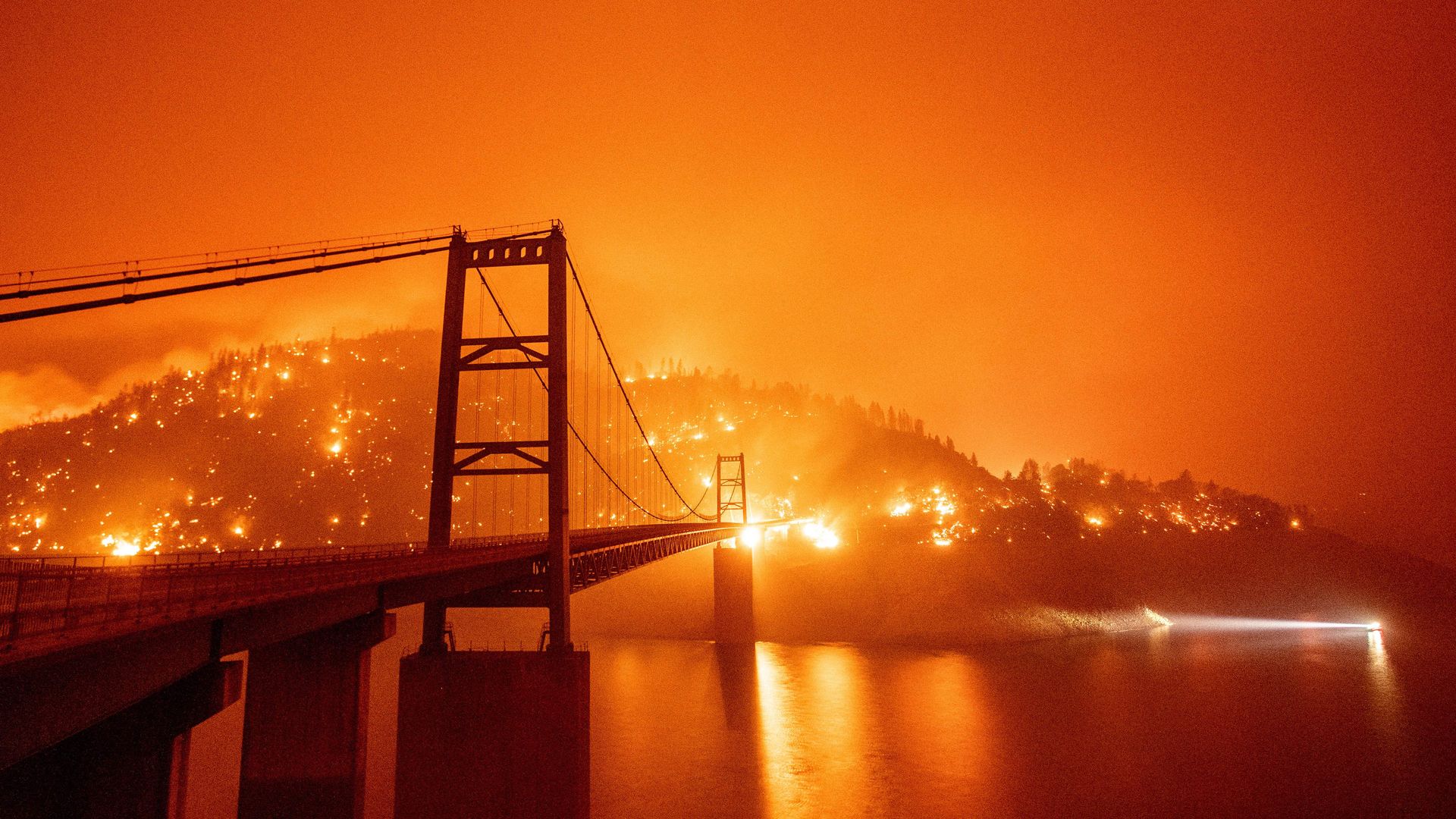
Why it matters: It's another indicator of the impact of human-induced climate change. The data also illustrate this year is on pace to be among the hottest recorded, with the possibility of tying or breaking the record, set in 2016.
A new approach to predictinggeopolitical and business events combines scenario planning for multiple alternative futures with forecasting methods that put hard probabilities on possible events to come.
Why it matters: Every policy is a prediction, as futurists like to say. Researchers hope a new science of prediction can improve the chances that policymakers and business leaders won't be caught off guard by rare black swan events, while allowing them to prioritize their preparations.
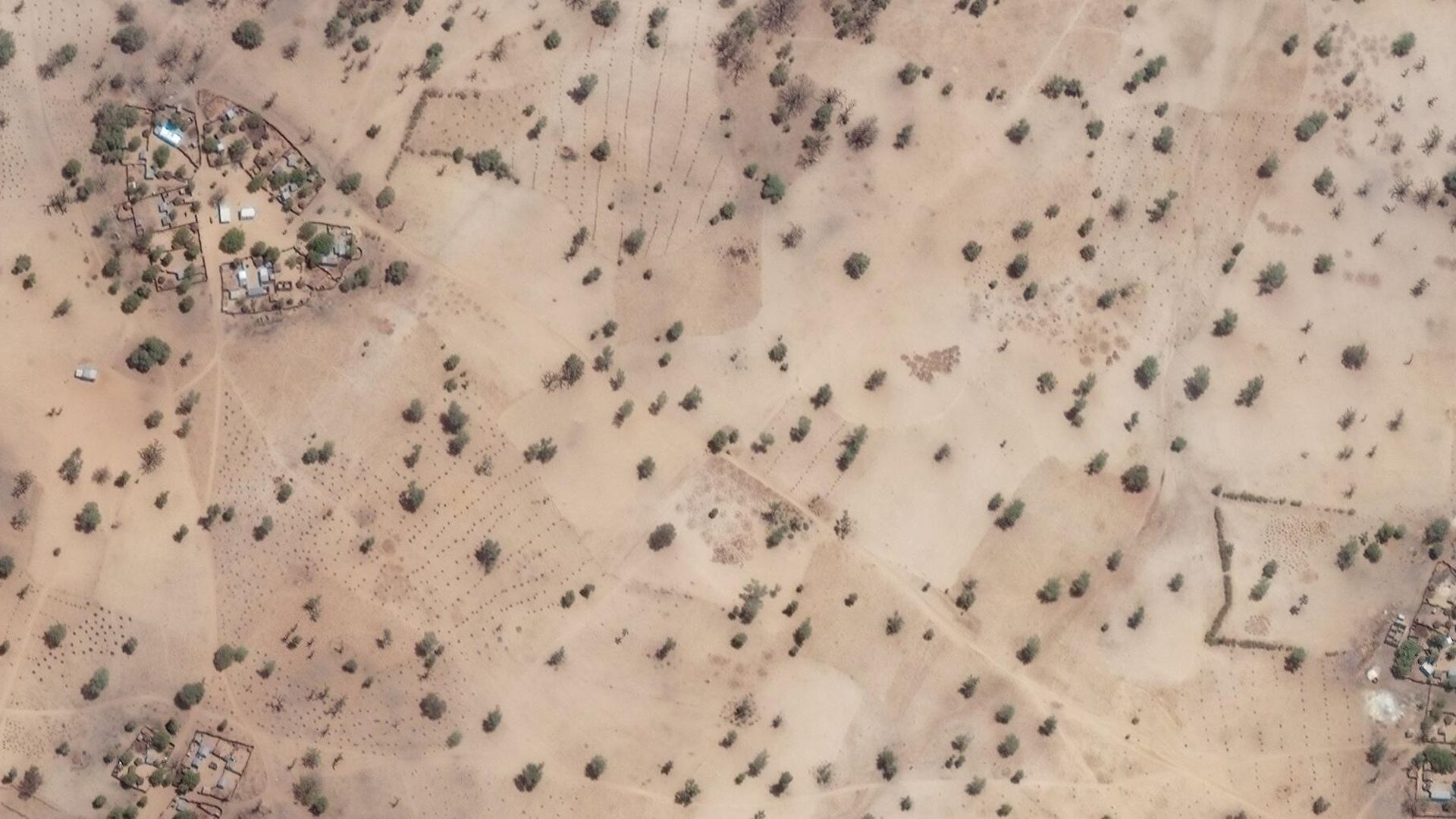
The deserts and drylands of West Africa appear treeless, but researchers have found more than 1.8 billion individual trees and shrubs there, according to a new paper.
Why it matters: Non-forest trees support flora and fauna, provide sources of food and shelter for animals and people, and help moderate climate change by absorbing carbon.
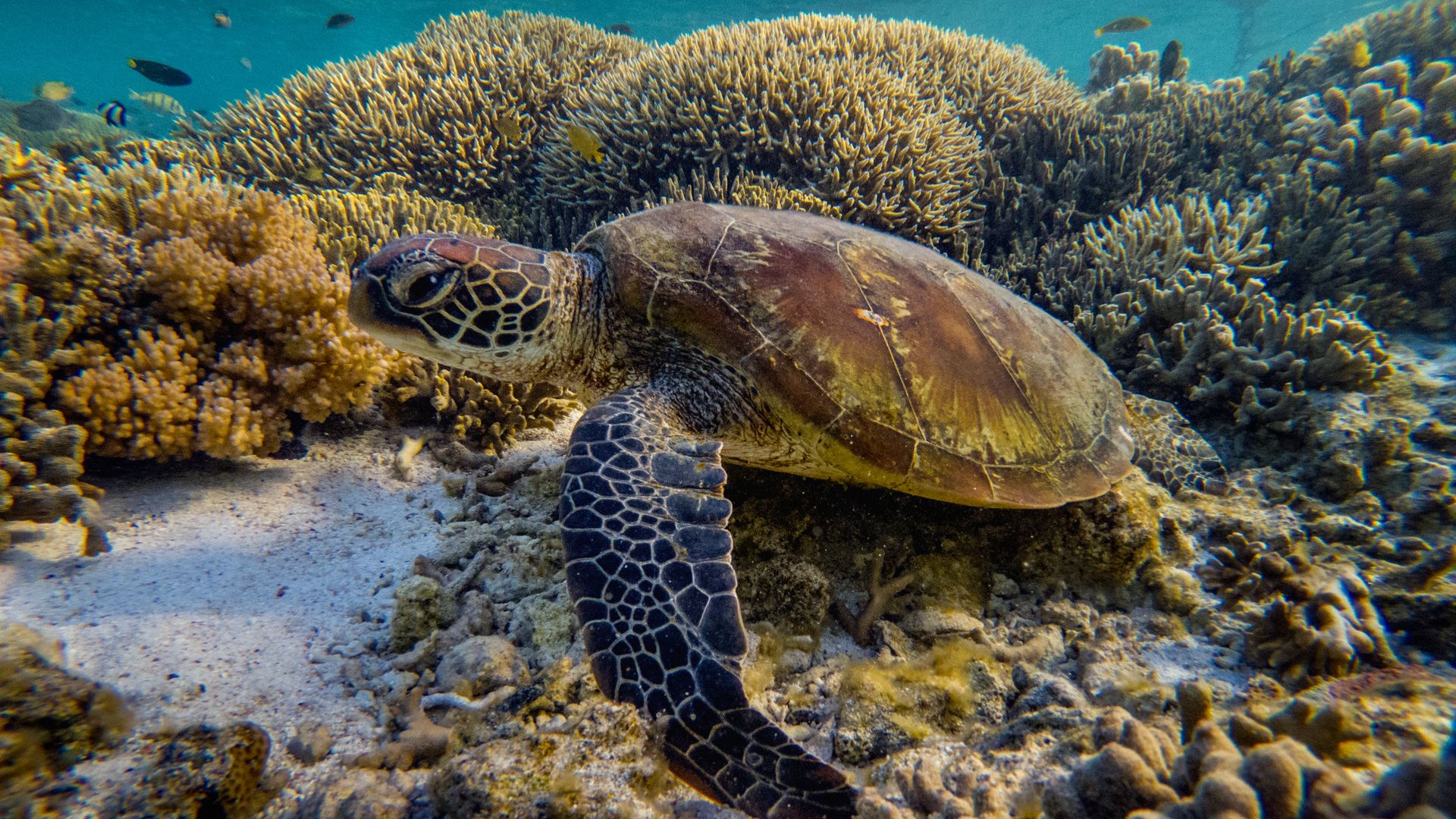
Australia's Great Barrier Reef has lost over half of its coral populations in the past three decades because of ocean warming, a study published in the journal Proceedings of the Royal Society B published Wednesday finds.
Why it matters: The World Heritage-listed underwater ecosystem is a haven for biodiversity, with some 4,000 species of fish, 700 species of coral and "thousands of other species of plants and animals," per the nonprofit Coral Reef Alliance. It spans some 1,400 miles — making it the largest coral reef ecosystem in the world.
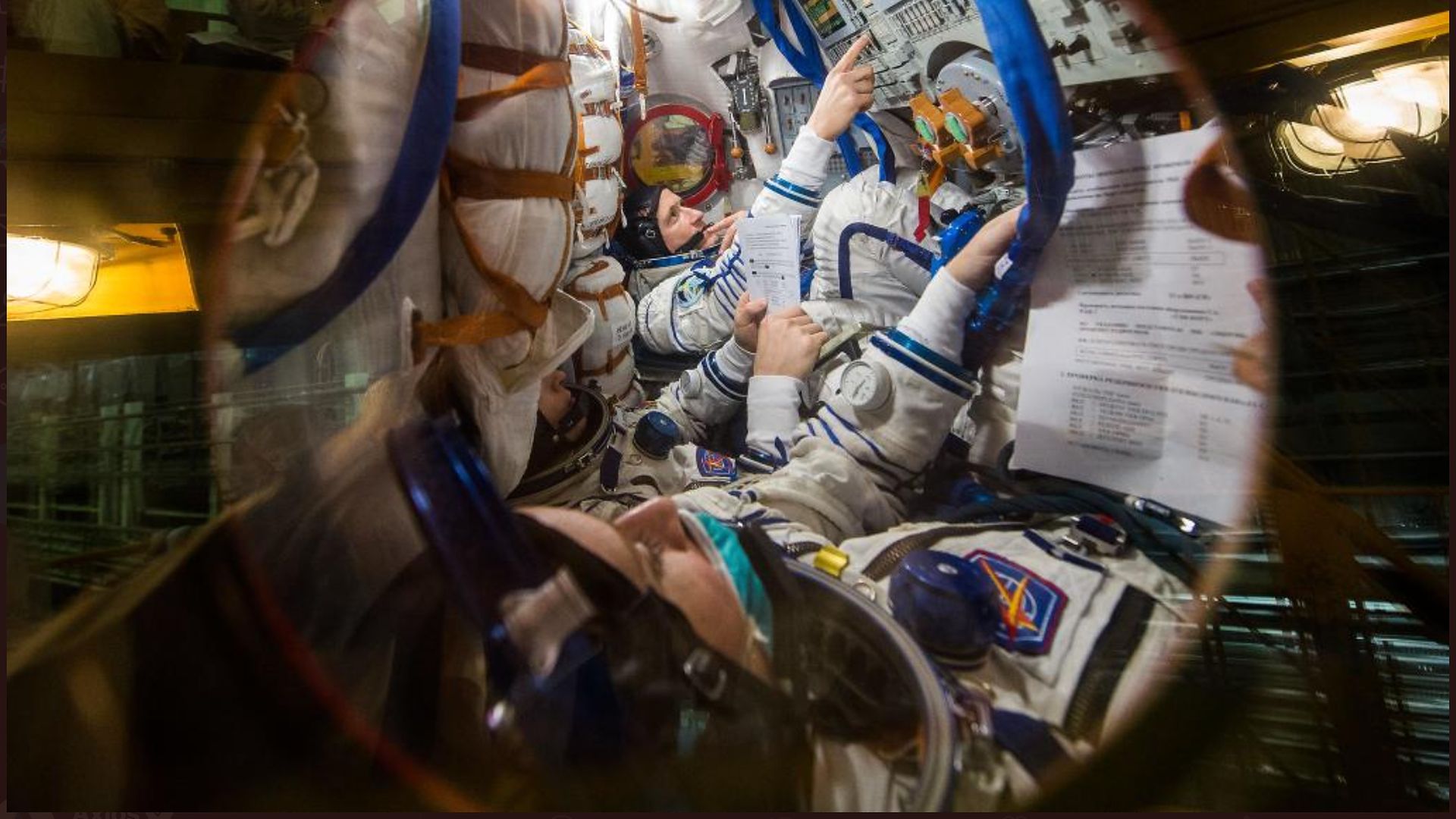
The Soyuz MS-17 spacecraft launched from the Baikonur Cosmodrome in Kazakhstan on Wednesday morning with NASA astronaut Kate Rubins aboard, bound for the International Space Station (ISS).
Why it matters: Per Axios' Miriam Kramer, this is the last contracted flight on the Russian Soyuz spacecraft for NASA, marking the transition to using U.S. launch providers like SpaceX instead.