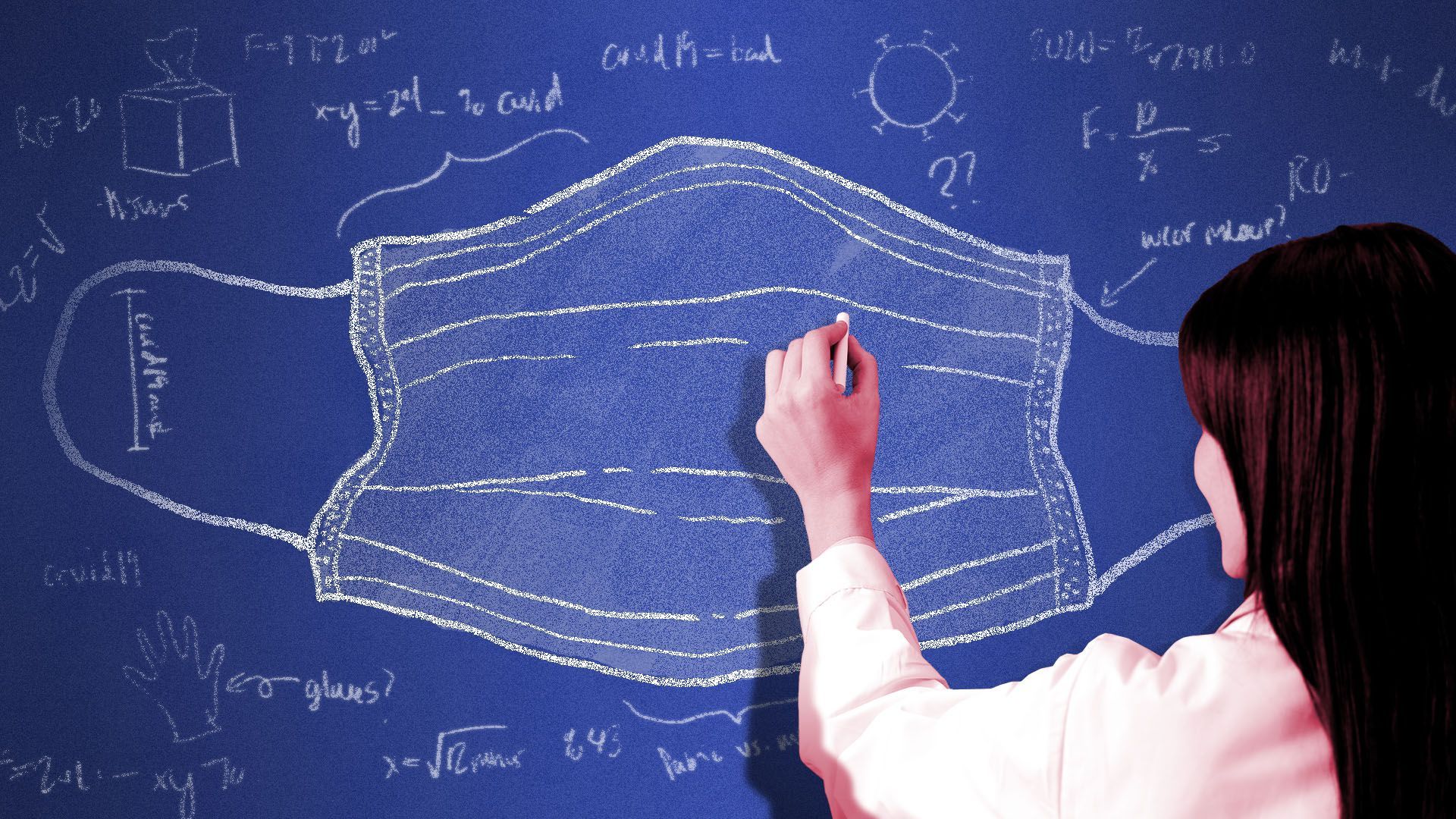
Scientific evidence shows face masks can help to control the spread of the novel coronavirus, but the nuances and changes in messaging about their use are complicating public health efforts.
The World War II era surge in investing in scientific research and development propelled the U.S. on a decades-long trajectory for innovation and seeded technological clusters across the country, according to new research.
Why it matters: 75 years after Vannevar Bush laid out the ambitious plan for federal spending on science, experts are calling for similar investments to stimulate innovation in the U.S. today.
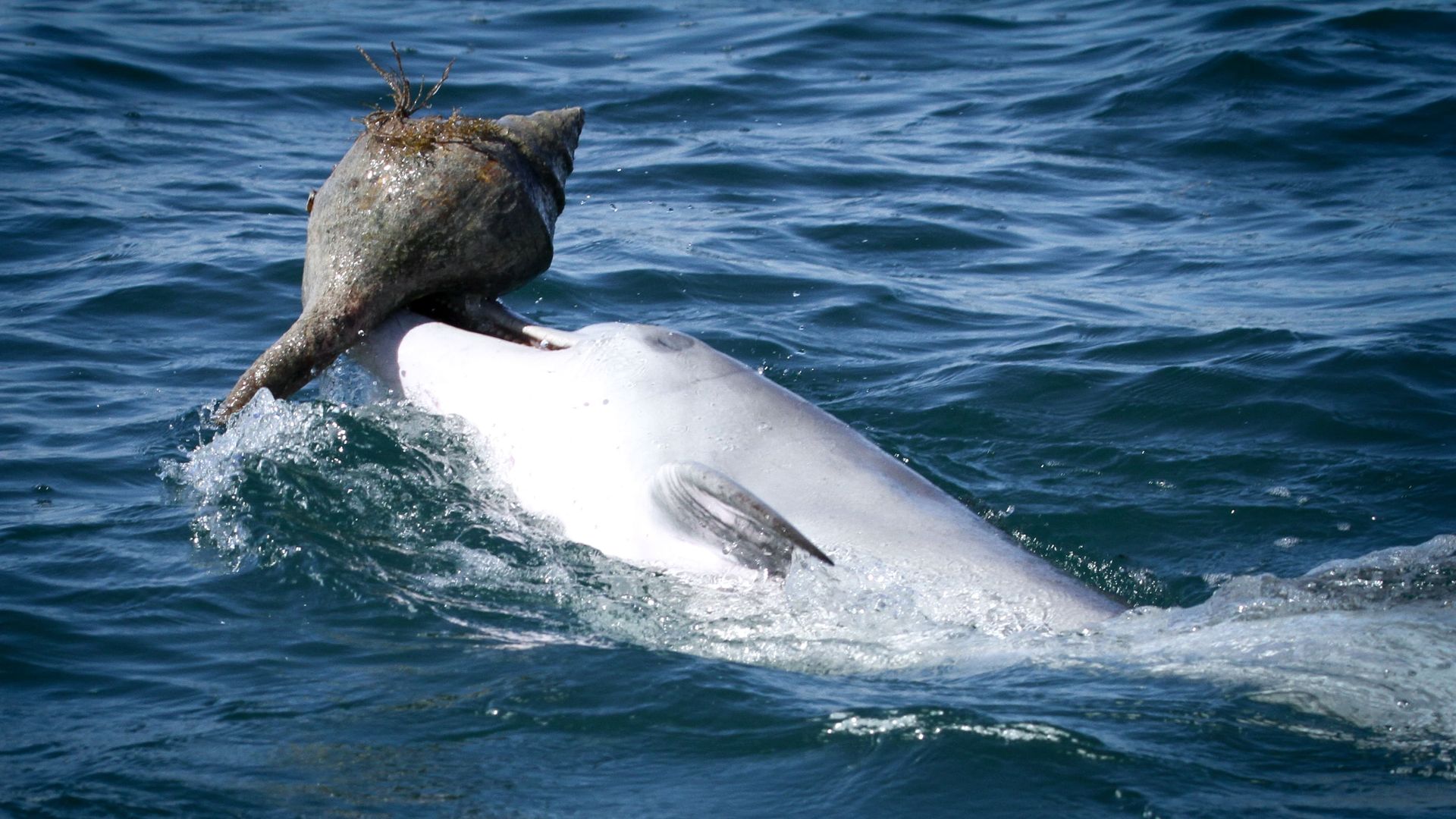
Dolphins can learn from other unrelated dolphins about how to use empty shells to trap prey, according to new research.
The big picture: Learning from others is one way to transmit information that drives the evolution of cultures. The behavior is largely observed in primates, including us humans.
A small star only 11 light-years from our solar system may play host to a clutch of planets, one of which might be suitable for life.
Why it matters: Because this star and its planets are relatively nearby, they're great candidates for follow-up studies that could one day allow scientists to peer into their atmospheres and figure out exactly what they're made of.
A giant, dense plume of Saharan dust is shrouding much of the Caribbean as it heads westward toward Central America and the southern U.S. this week.
Why it matters: The dust cloud blanketing Puerto Rico, Jamaica, Hispaniola, and eastern Cuba on Tuesday prompted authorities toissue health warnings across the region as air quality plummeted to unhealthy levels, per Reuters.