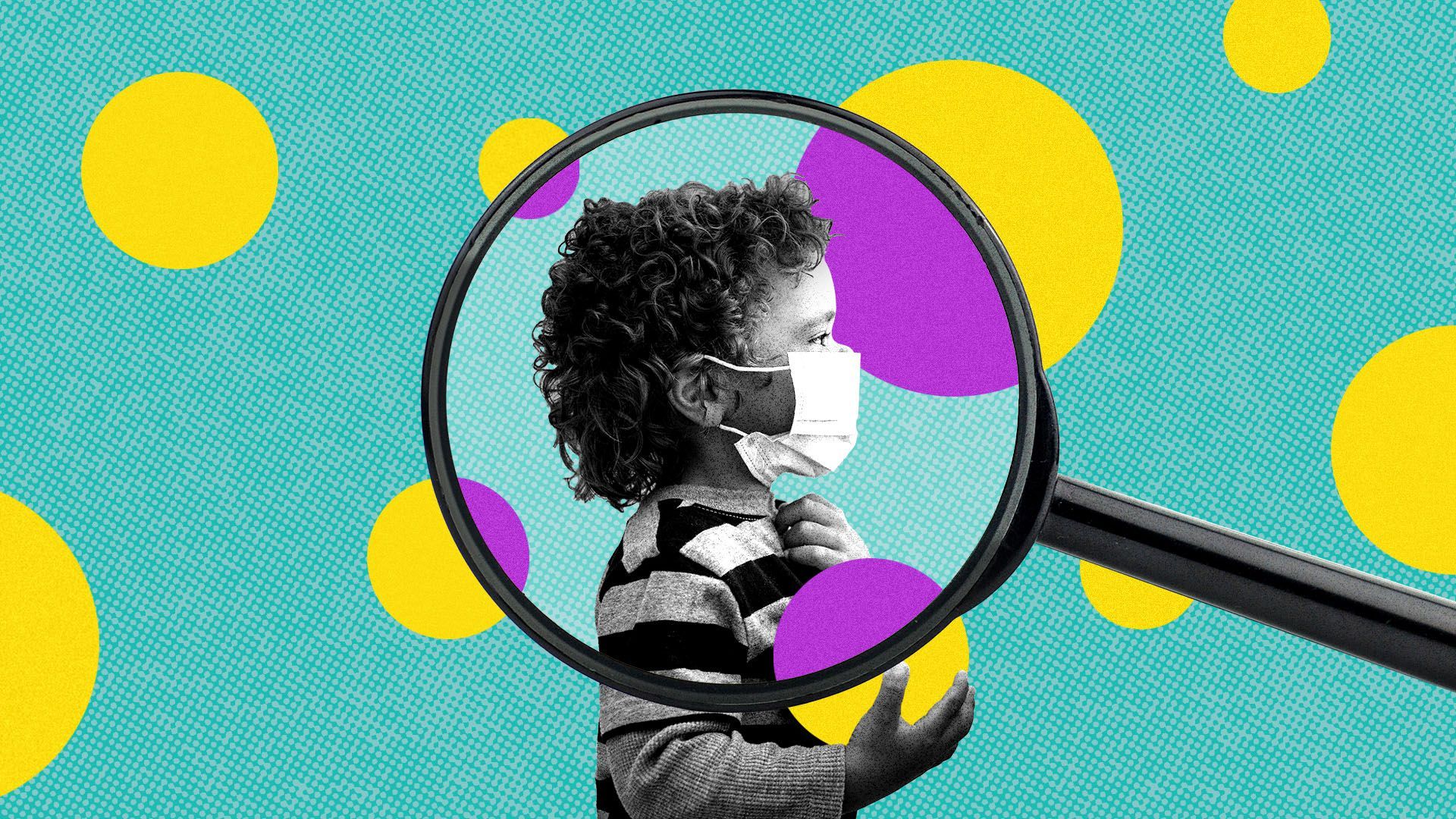
Children typically escape COVID-19's most severe complications, presenting a host of questions scientists are just starting to be able to answer.
Why it matters: As schools and day cares look to reopen in the U.S. and grandparents long to reunite with their grandchildren, parents and policymakers are trying to assess the risk to kids, their families and their communities.
Black Americansare consistently underrepresented in clinical trials for diseases ranging from diabetes to heart disease to different cancers, despite being disproportionately affected by many of them.
Why it matters: The current COVID-19 pandemic is taking an unequal toll on underrepresented communities. As researchers race to develop treatments, having diverse trial participants is key to creating safe and effective drugs and to understanding how socioeconomic and environmental factorsinfluence diagnosis, treatment and outcome.
A quantum key for encrypting and decrypting messages has been shared between two ground stations about 700 miles apart, a team of researchers in China reported this week.
Why it matters: It's the latest milestone in an effort to create a long-range and theoretically ultra-secure quantum communications network.
The U.S. and China are the world's biggest spenders on research and development but still only make up about half of global investment in research, a recent report highlights.
The big picture: Competition between the two countries — measured by published papers, patents, educational degrees or the extent of investment — dominates discussions about global progress in science and technology.
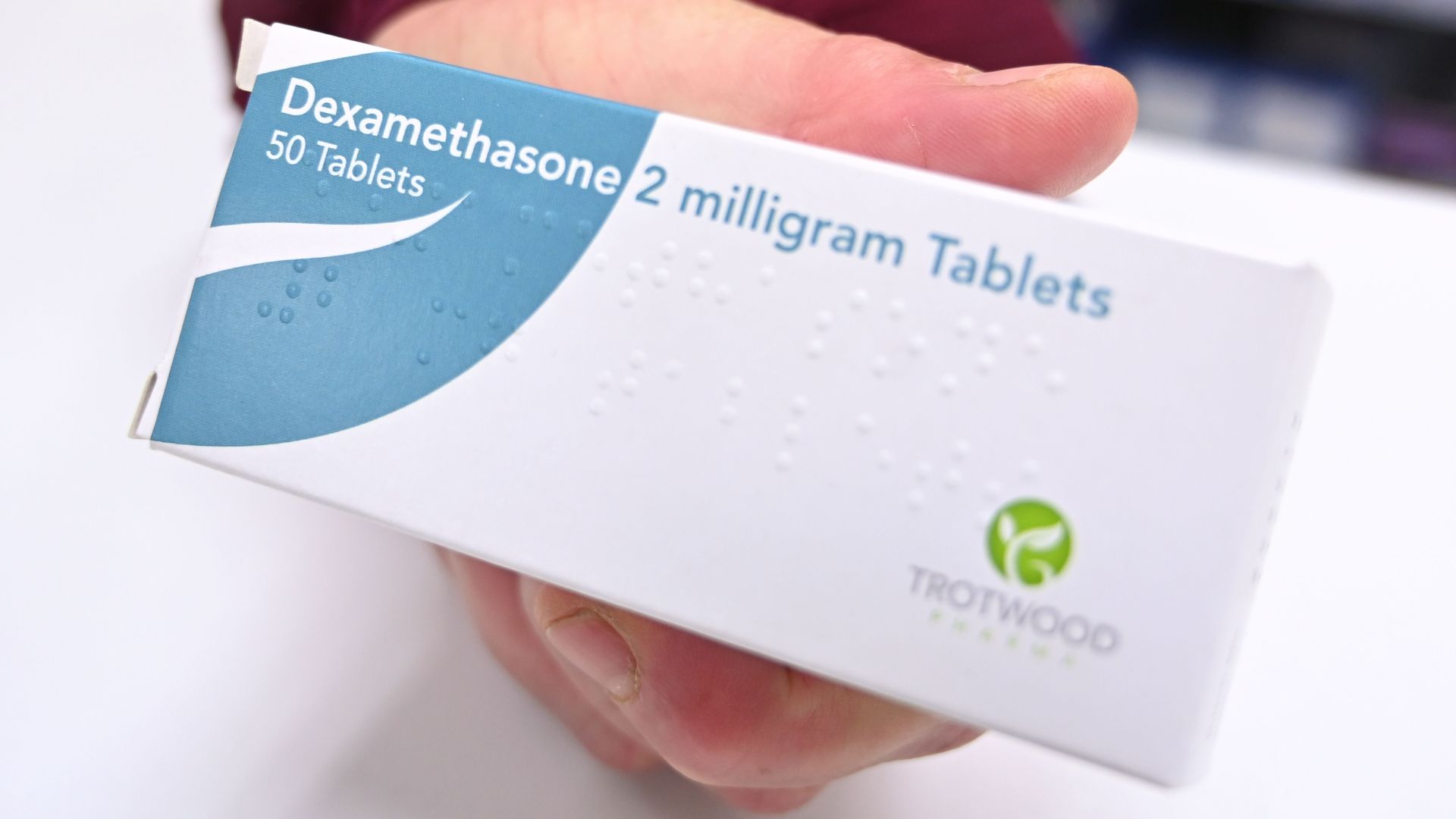
The new best hope for treating seriously ill coronavirus patients may come from a synthetic steroid that has been around for roughly 60 years.
Why it matters: Because it's an old, inexpensive drug, dexamethasone may have a leg up on remdesivir and other new, potentially costly treatments — especially if they don't work as well.