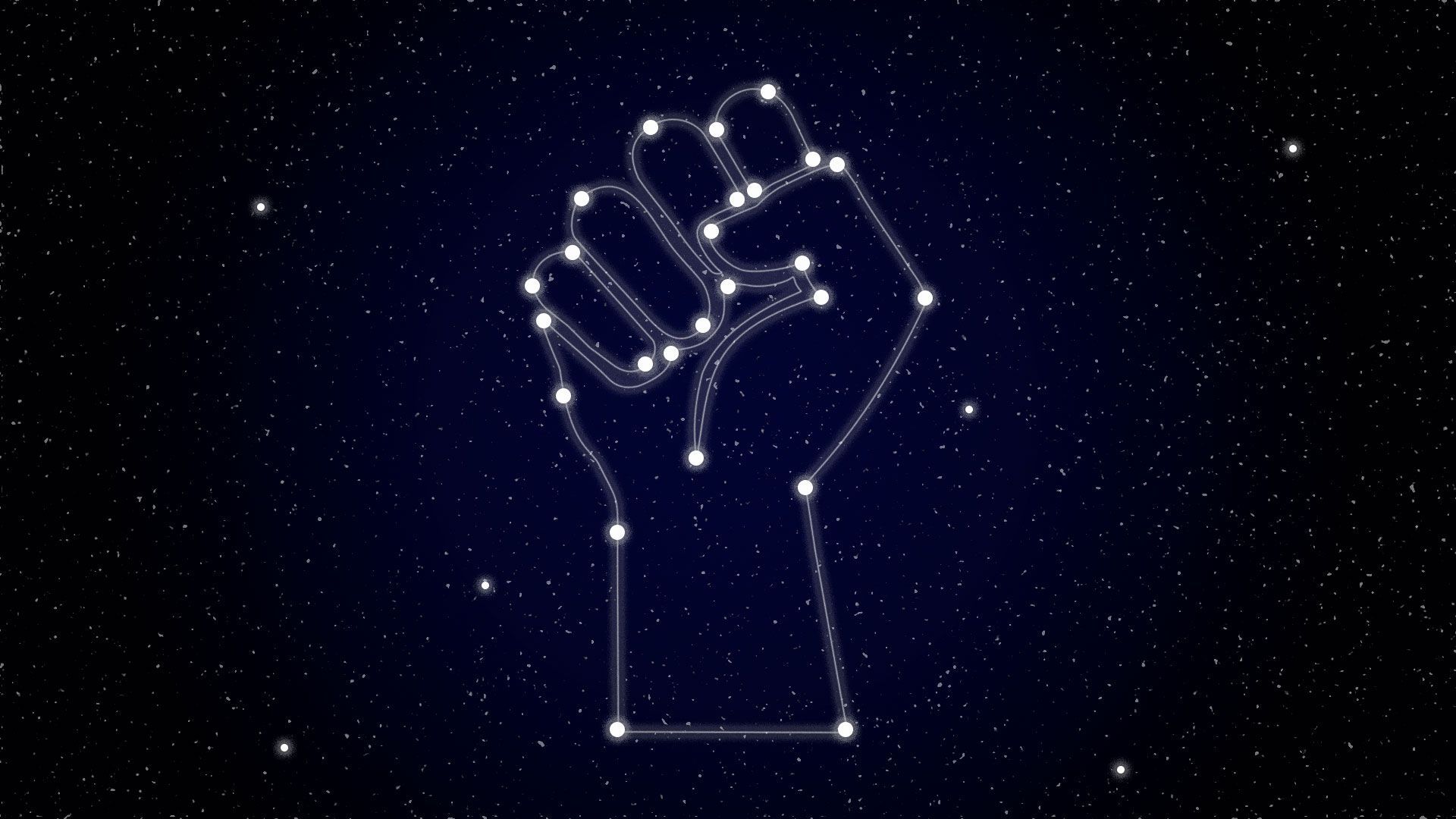
As society at large confronts how racism has shaped our world, astronomers and physicists say it's long past time for their field to experience its own reckoning.
What's happening: From strikes to reports to calls for action, astronomers and physicists are calling for an end to the systemic racism that has shaped their fields and the sciences at large.
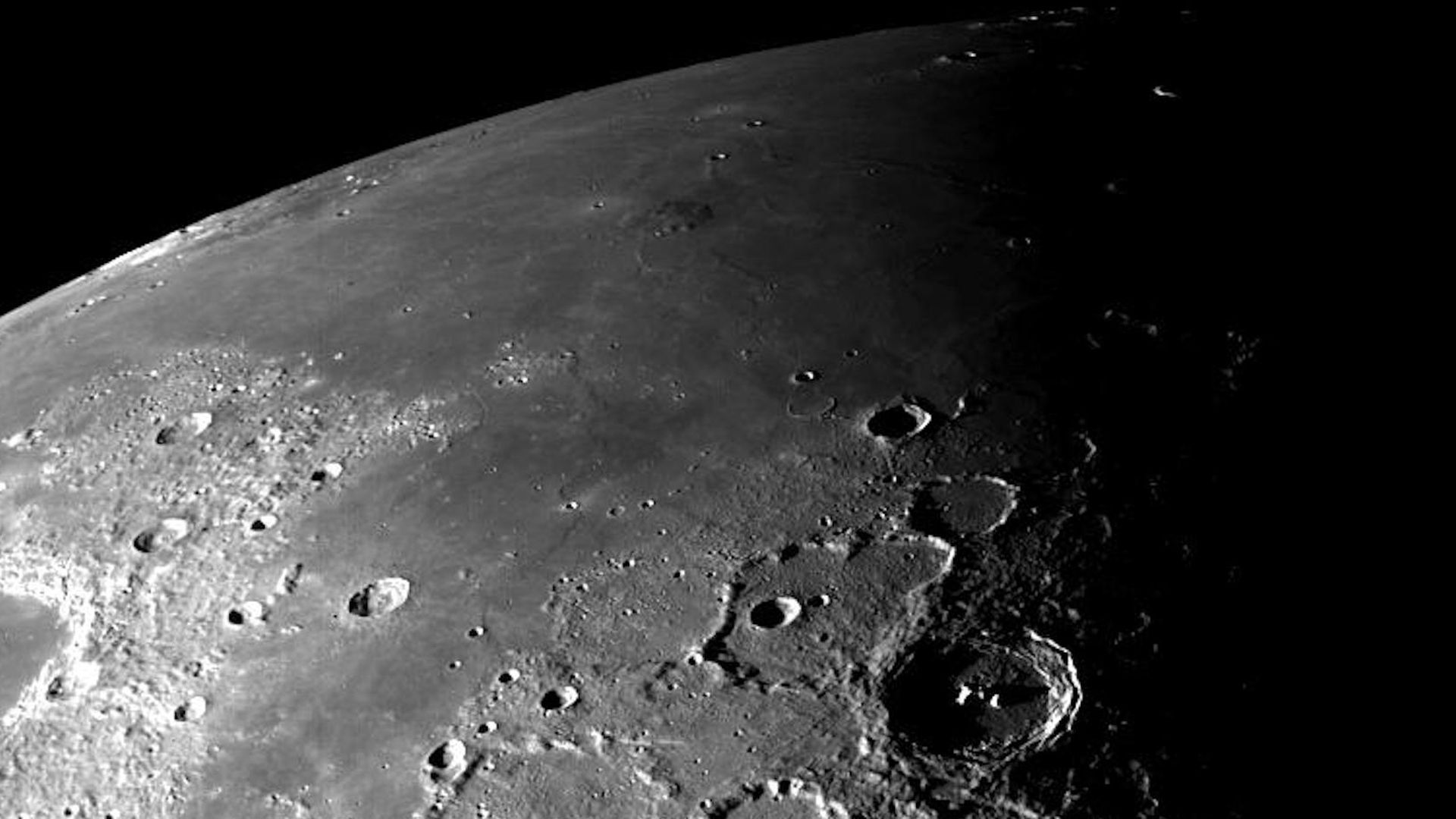
NASA last week announced that the company Astrobotic will deliver the agency's VIPER rover to the lunar surface, bringing the space agency another step closer to understanding exactly how much water is on the Moon.
Why it matters: Companies and space agencies hope to one day mine the Moon for water that can be turned into rocket fuel that could be used to get spacecraft to other, distant targets like Mars. But how much water is actually there is unknown.
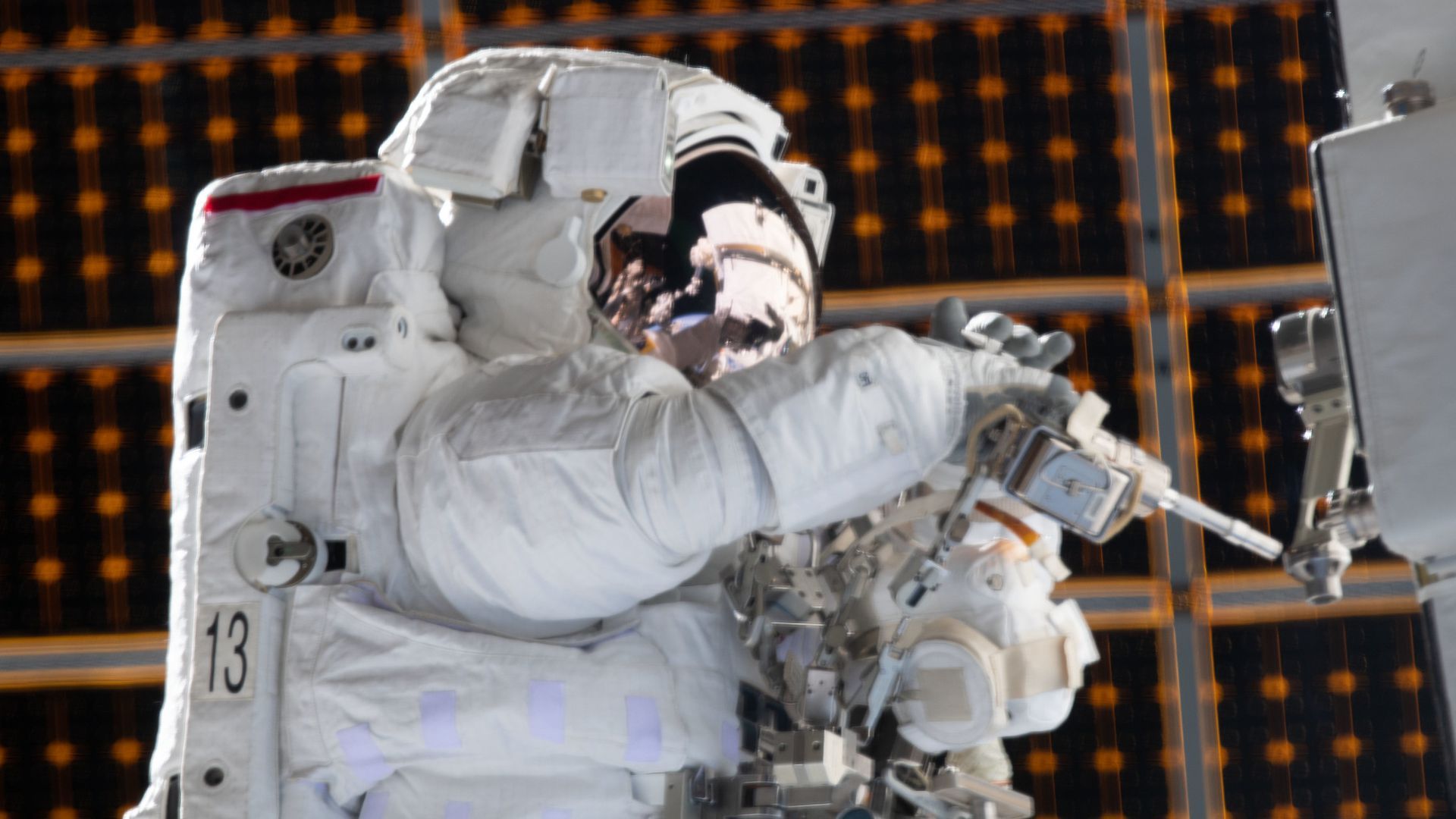
Current and former astronauts are speaking out on social media and in interviews in support of the Black Lives Matter movement and protests against police violence.
Why it matters: Astronauts are NASA's public face and usually avoid politically charged topics in public, but as the agency's astronauts have more direct means of communication to the public, those lines are beginning to blur.
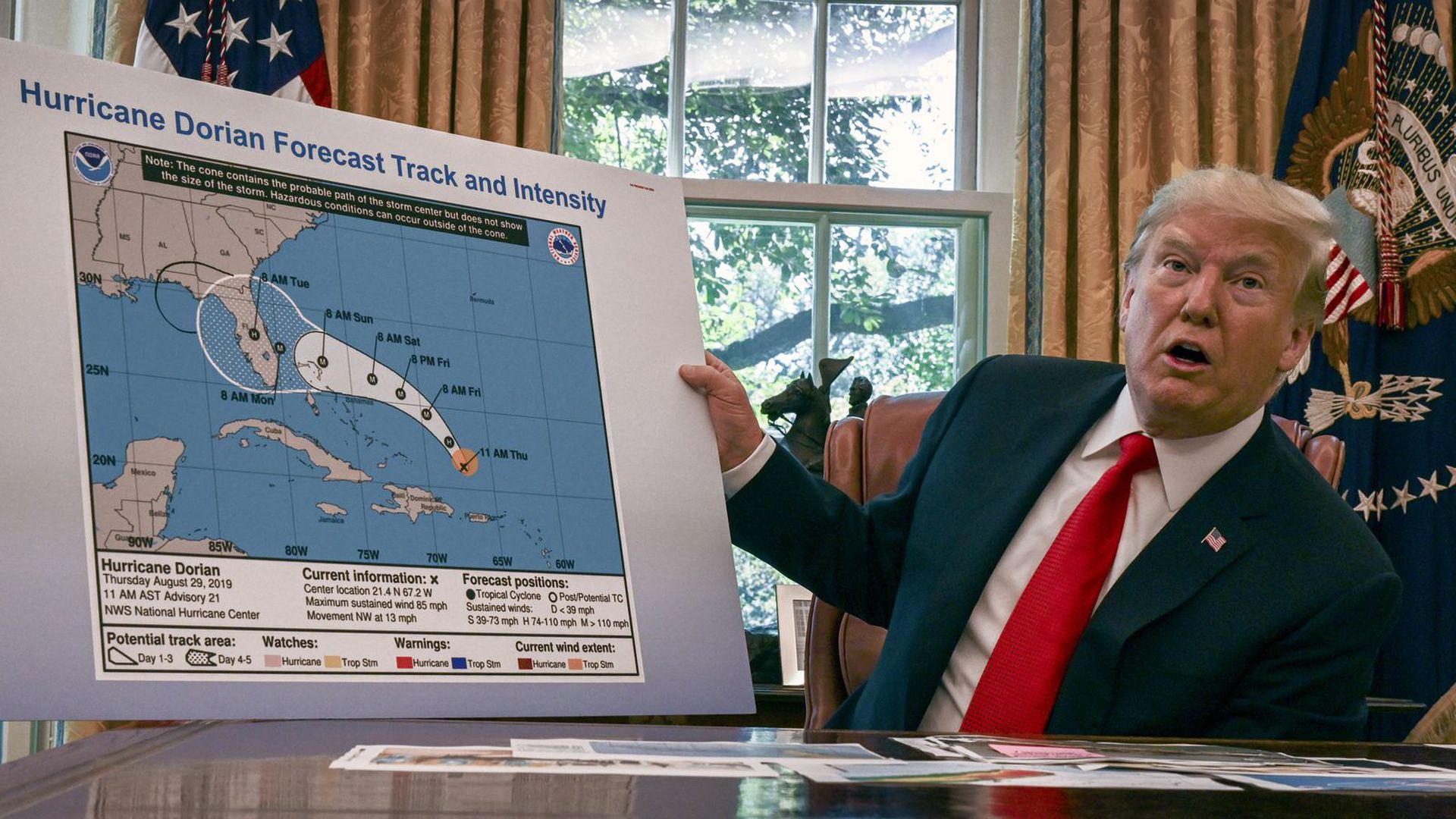
An independent panel commissioned by the National Oceanic and Atmospheric Administration (NOAA) found that two top officials violated the agency’s code of ethics during a series of events that led to an NOAA statement contradicting its own meteorologists to support President Trump’s false claims about the path of Hurricane Dorian.
Why it matters: The September episode, which came to be known as "Sharpiegate" after Trump drew on a map of Hurricane Dorian's path to support his assessment that it could hit Alabama, embroiled the NOAA in a scandal about possible political interference within the scientific agency.