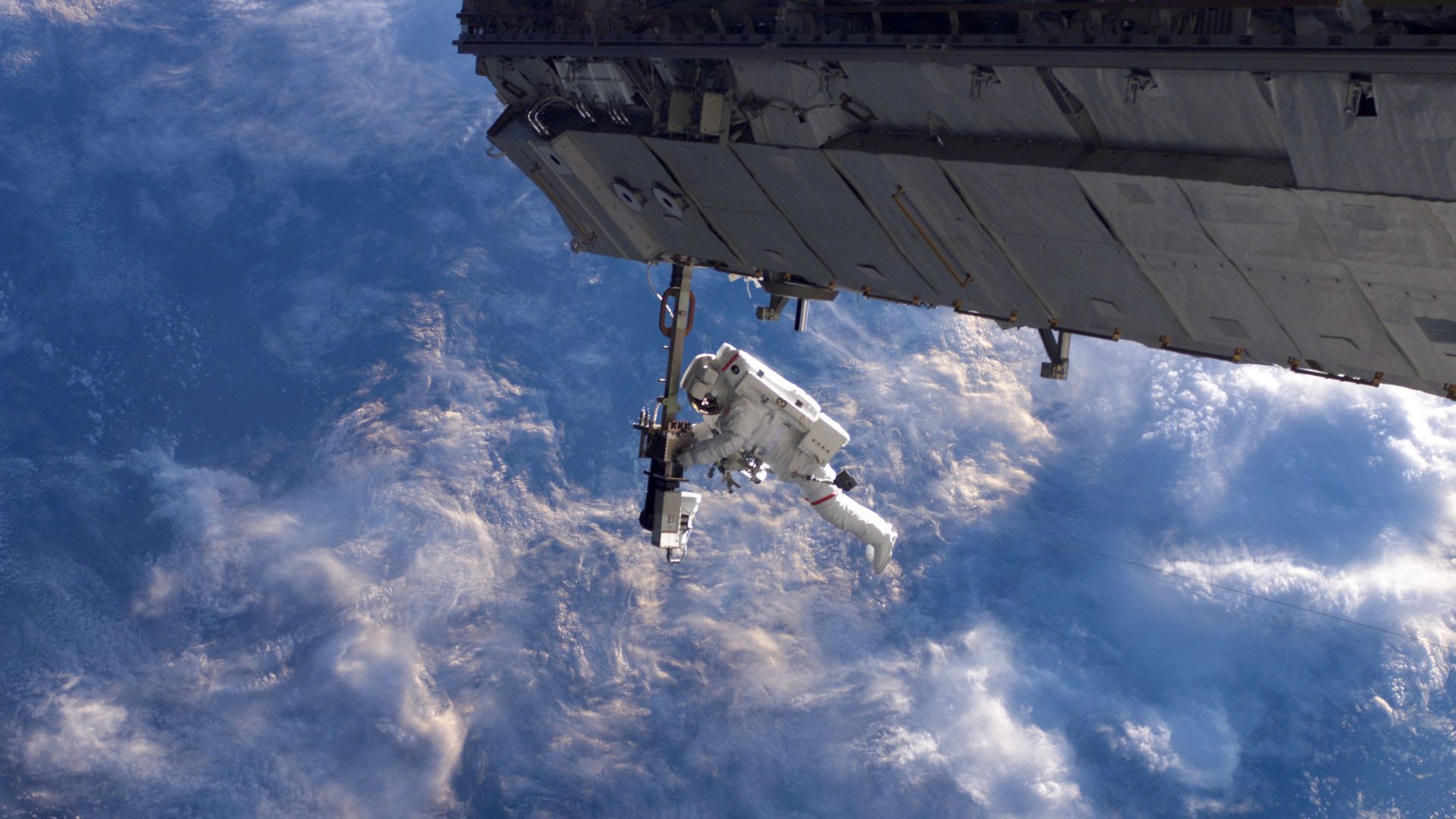
For decades, space agencies have relied on astronauts to take precarious and time-consuming spacewalks, but today, space station operators are increasingly turning to robots to perform tasks in orbit.
Why it matters: Using robots instead of astronauts for routine spacewalks would make spaceflight safer and more efficient, experts say, freeing up humans to only take walks in space during an emergency or for delicate experiments in microgravity.
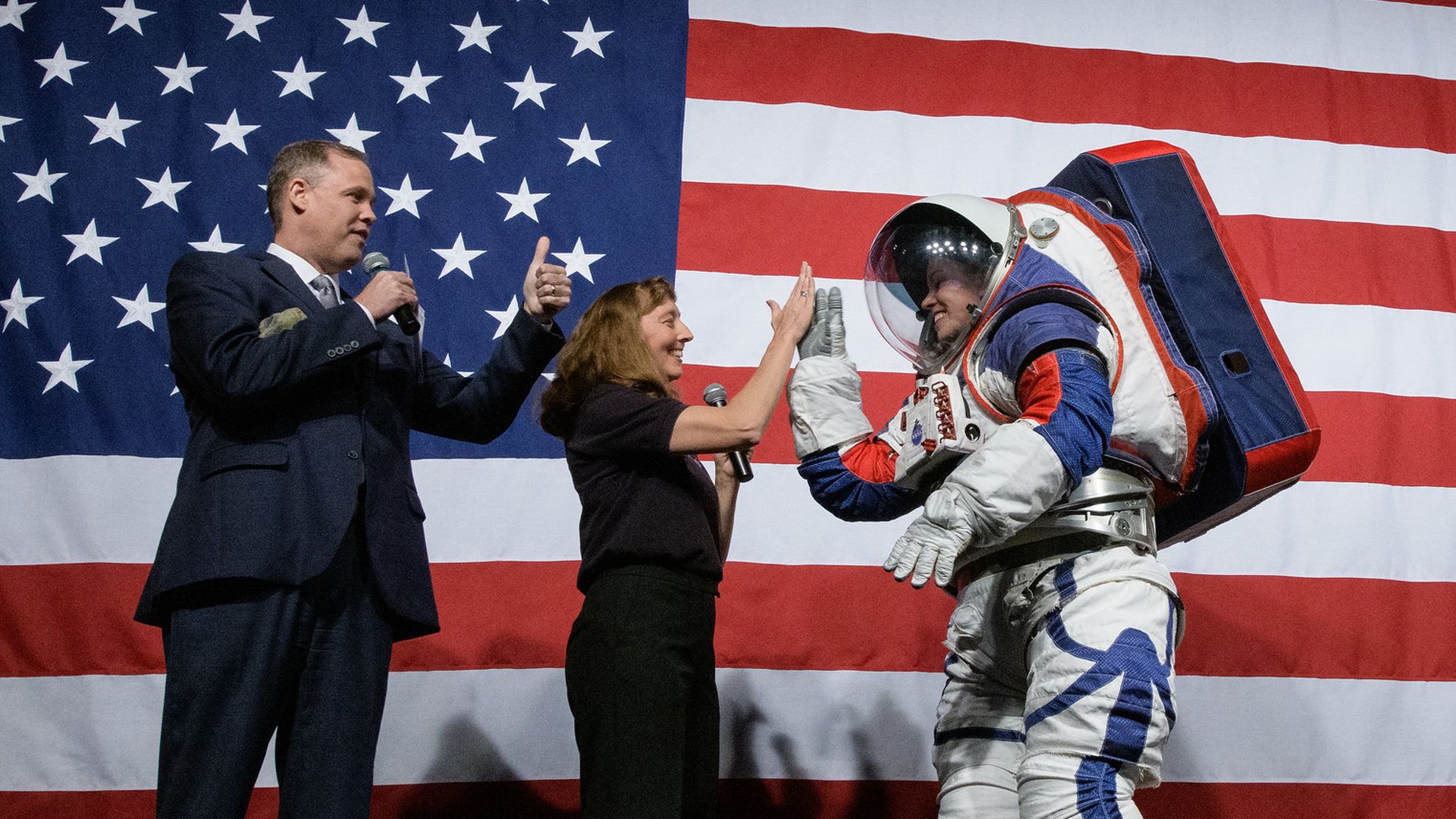
NASA's newest spacesuits are designed to allow astronauts to explore the Moon as never before.
Why it matters: The new spacesuits are a key component of NASA's Artemis mission, which is expected to bring humans back to the surface of the Moon by 2024, as directed by the Trump administration.
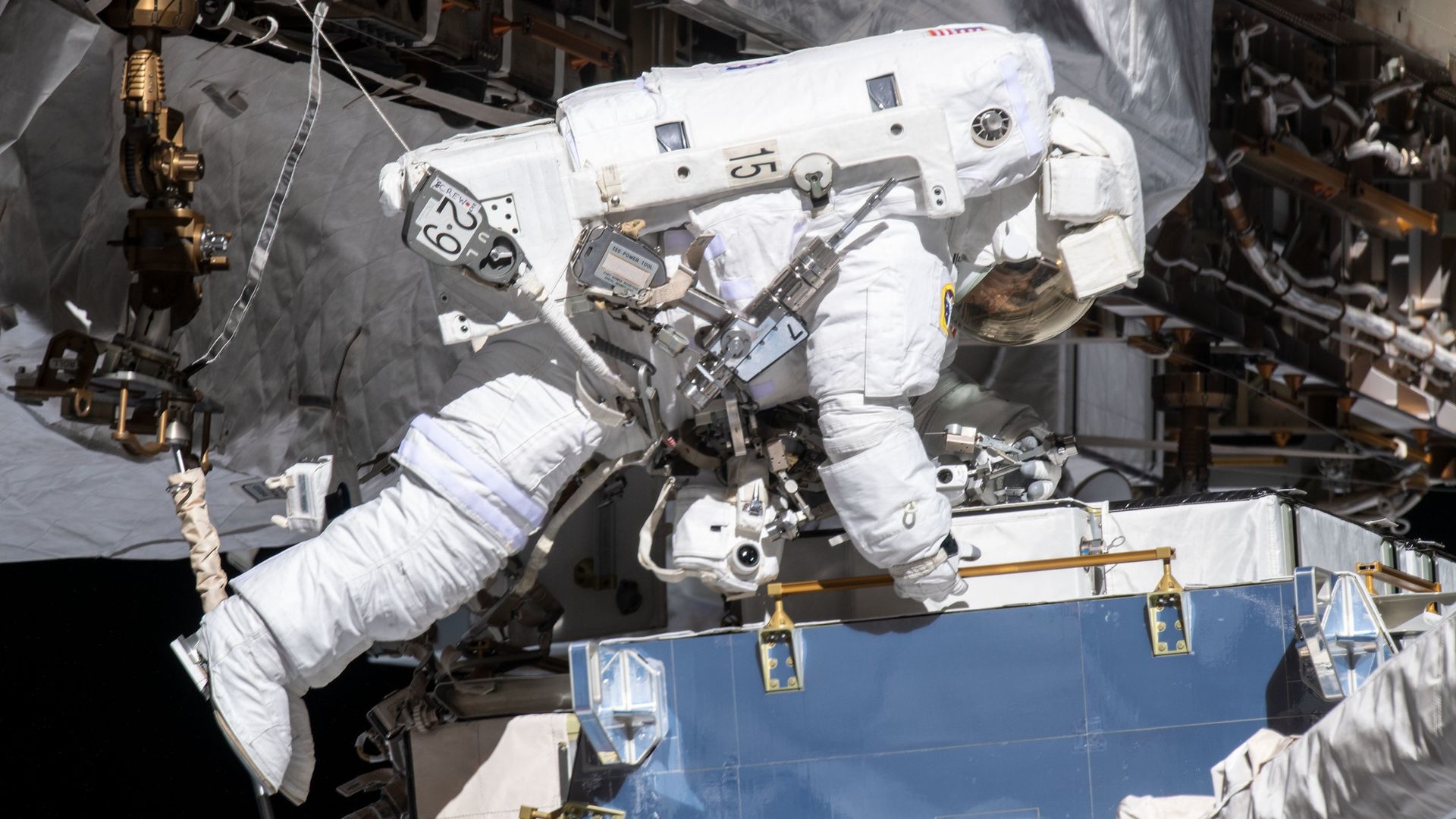
A history-making spacewalk featuring NASA astronauts Christina Koch and Jessica Meir is now expected to take place Thursday or Friday on the International Space Station, a few days earlier than initially expected, NASA announced Tuesday.
Why it matters: When Koch and Meir venture out for their walk in space, it will mark the first all-female spacewalk ever performed.
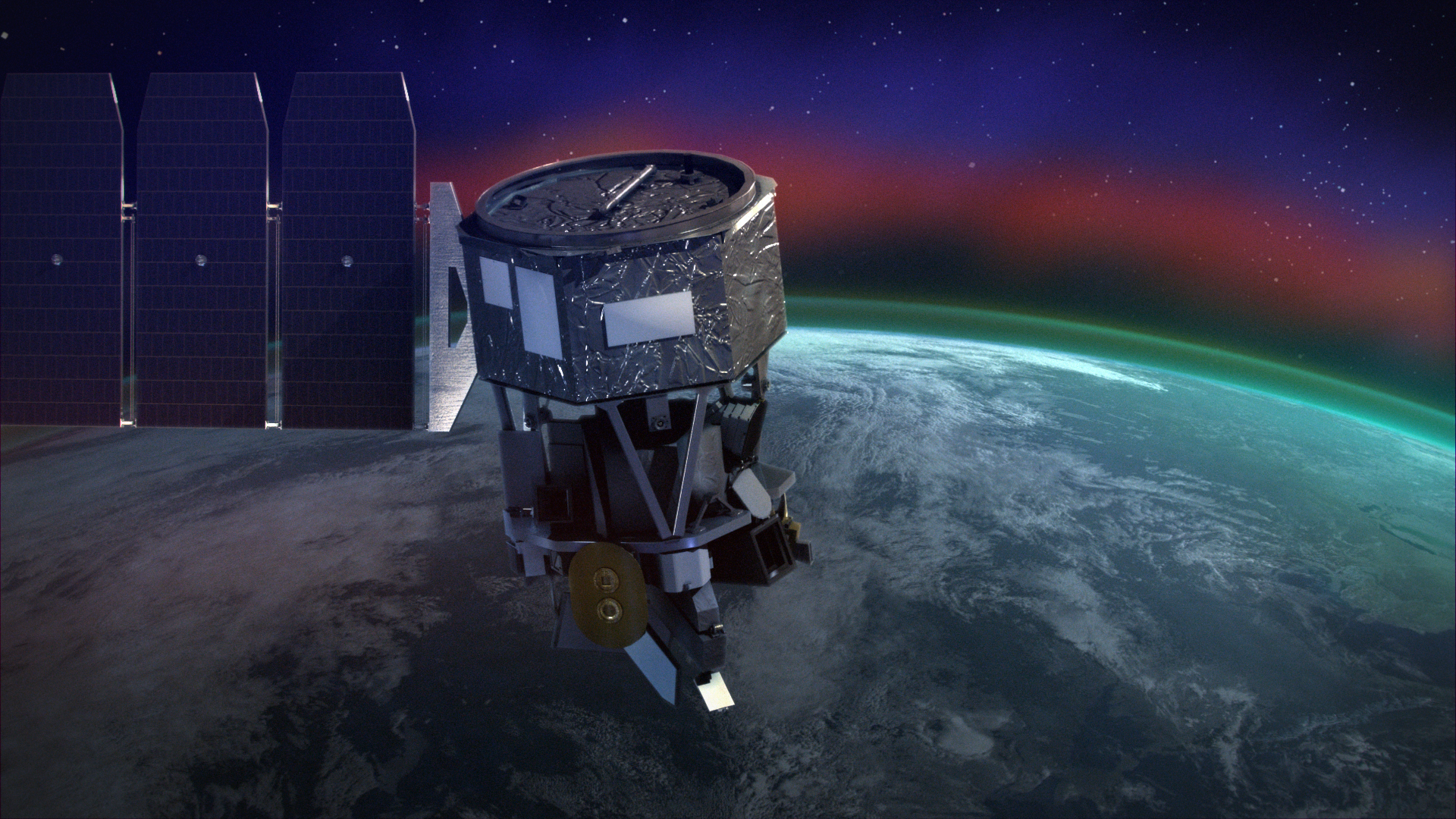
A NASA satellite designed to investigate a critical layer of Earth's atmosphere launched to space last Thursday.
Why it matters: Scientists think the ionosphere can interfere with communications, expose astronauts to high radiation and even drag satellites down through the atmosphere earlier than expected when space weather hits.
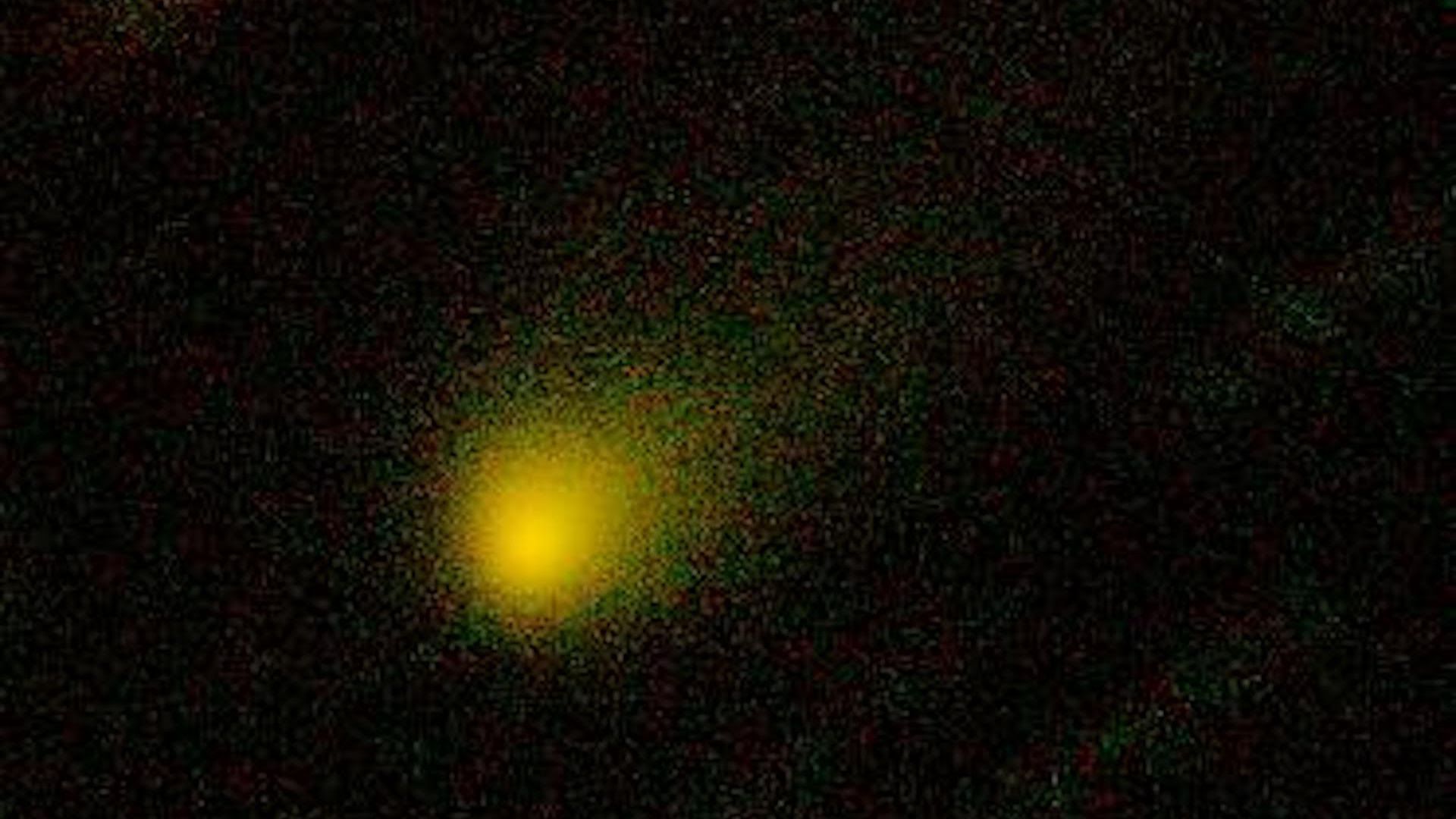
The interstellar comet discovered in August looks very similar to comets originating in our own solar system, according to a new study in Nature Astronomy this week.
The big picture: Comet 2I/Borisov represents just the second-known interstellar object to make its way through our solar system, and it's astronomers' best chance so far to study a piece of a distant star system at close range.
While satellite pay-TV services are in a death spiral, modern satellite-powered broadband services are raising big investments and a lot of high expectations.
Why it matters: Access to broadband is essential in today's economy, but roughly half of the globe's population still lacks reliable access to it. Companies well-positioned to build and deploy satellites see an opening to provide that service to a world hungry for fast connections.
After delaying planting in spring due to widespread floods throughout the Midwest, farmers are now hoping to recover from yet another obstacle: an early blizzard, the Wall Street Journal reports.
The big picture:Historic flooding in the spring led farmers to delay plantings due to drenched fields. An uncharacteristically early blizzard in northern states in recent days has only amplified the race to harvest, with farmers scrambling to pull their crops before they freeze.
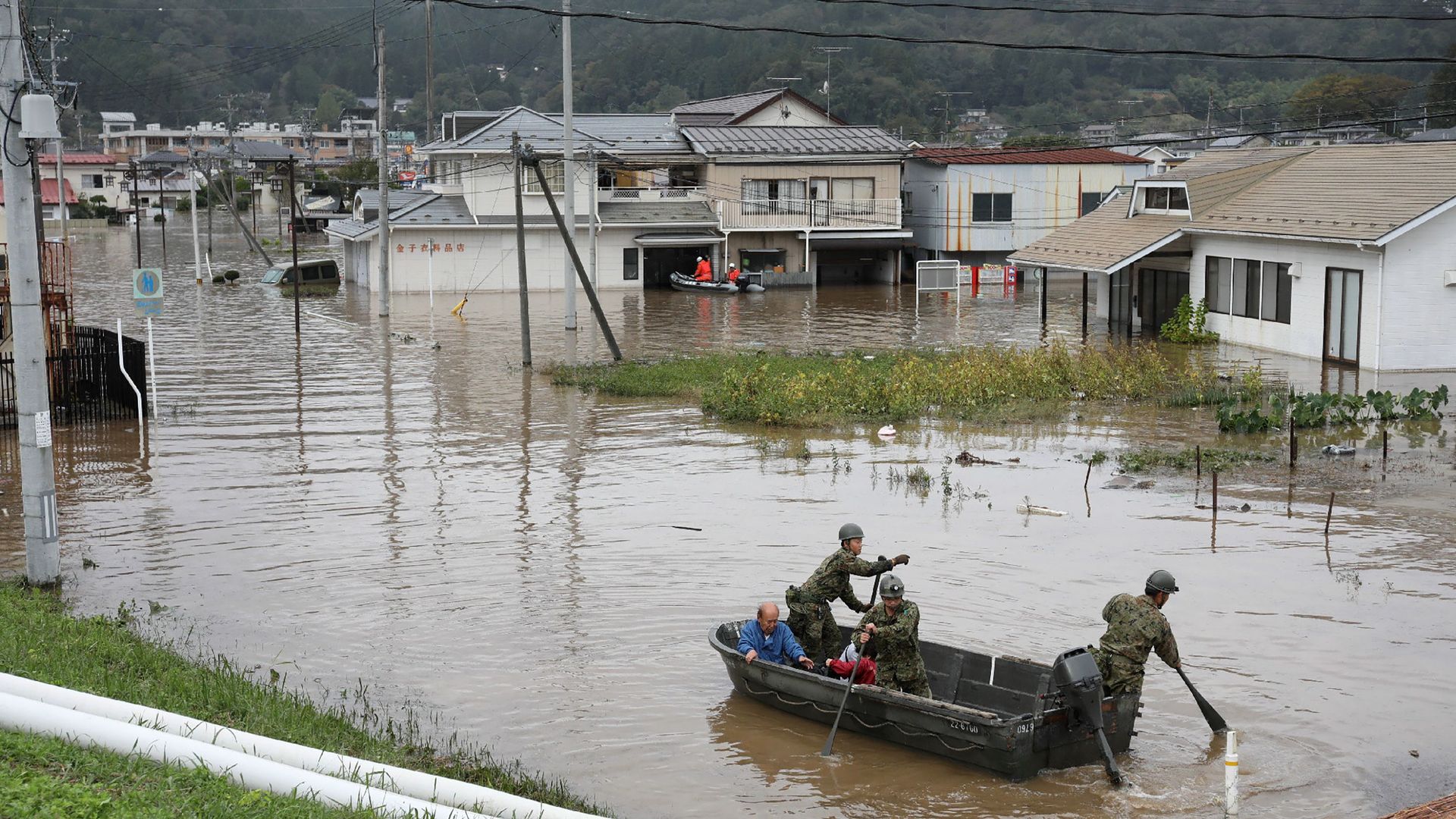
A massive search and rescue operation involving 110,000 people was underway in Japan Monday after deadly Typhoon Hagibis lashed the country over the weekend, the BBC reports.
The big picture: The storm that triggered floods and landslides Saturday has killed at least 40 people and injured scores more, according to Japanese news outlets. "About 38,000 people across 17 prefectures had evacuated their homes" so far, the Japan Times reports. Prime Minister Shinzo Abe said there were concerns for the "impact on lives and economic activities," per the Japan Times.