Australia is set to invest $101 million into President Trump's efforts to achieve another Moon landing by 2024 and send future U.S. missions to Mars, Reuters reports.
Driving the news: Prime Minister Scott Morrison announced the investment while visiting NASA's headquarters in Washington, D.C., over the weekend. Morrison outlined the 5-year investment plan as part of a broader effort to triple the size of Australia's space sector and create 20,000 new jobs by 2030, per Reuters.
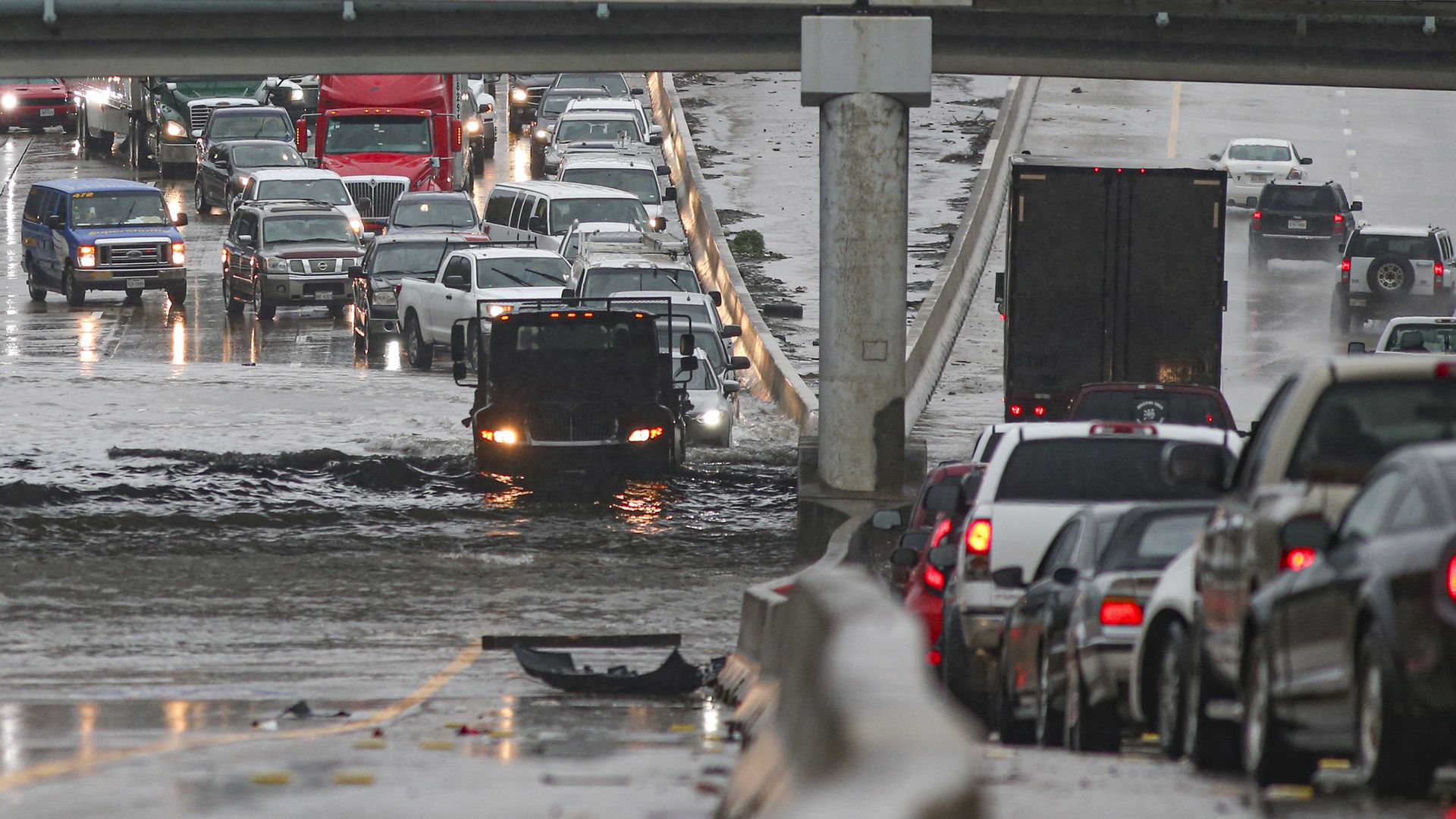
Texas authorities linked a 5th death to the remnants of Tropical Storm Imelda Saturday, as receding floodwaters revealed the extent of the damage from one of the United States' wettest tropical cyclones on record, AP reports.
The impact: From Houston to across the Louisiana border, hundreds of buildings were damaged by the former tropical storm, according to AP. More than 40 inches of rain fell in southeast Texas over 4 days before floodwaters began receding Friday, per the National Weather Service. Several flood-impacted roads remained closed Saturday, Texas authorities said.
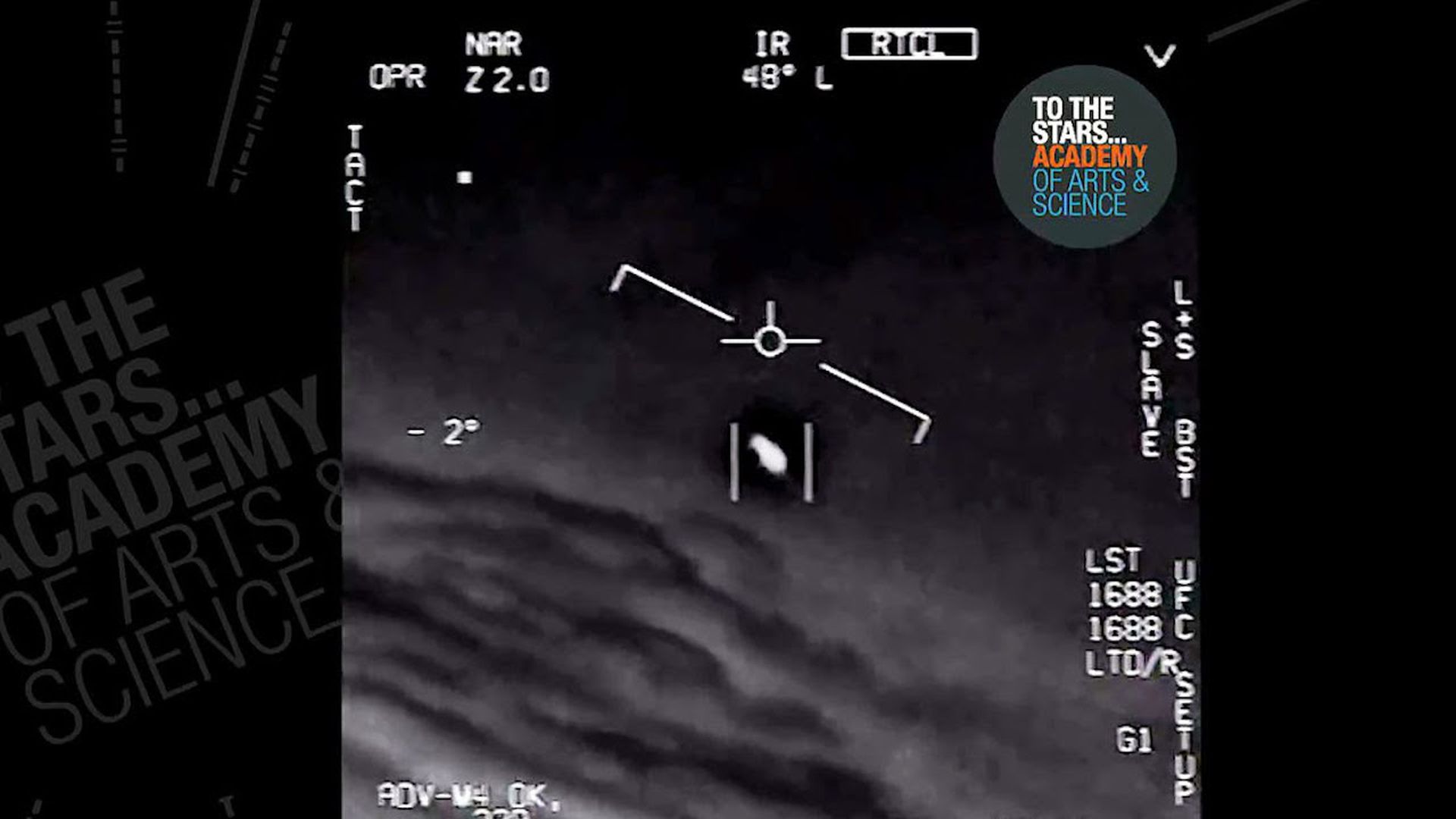
In video footage, a small object streaks across the sky before a U.S. Navy fighter jet's tracking system locks on and follows it, reports AP.
What's new: "The Navy isn't offering a public explanation ... for exactly what that object was. But the service is confirming the authenticity of that video and two others taken from its planes in 2004 and 2015," per AP.
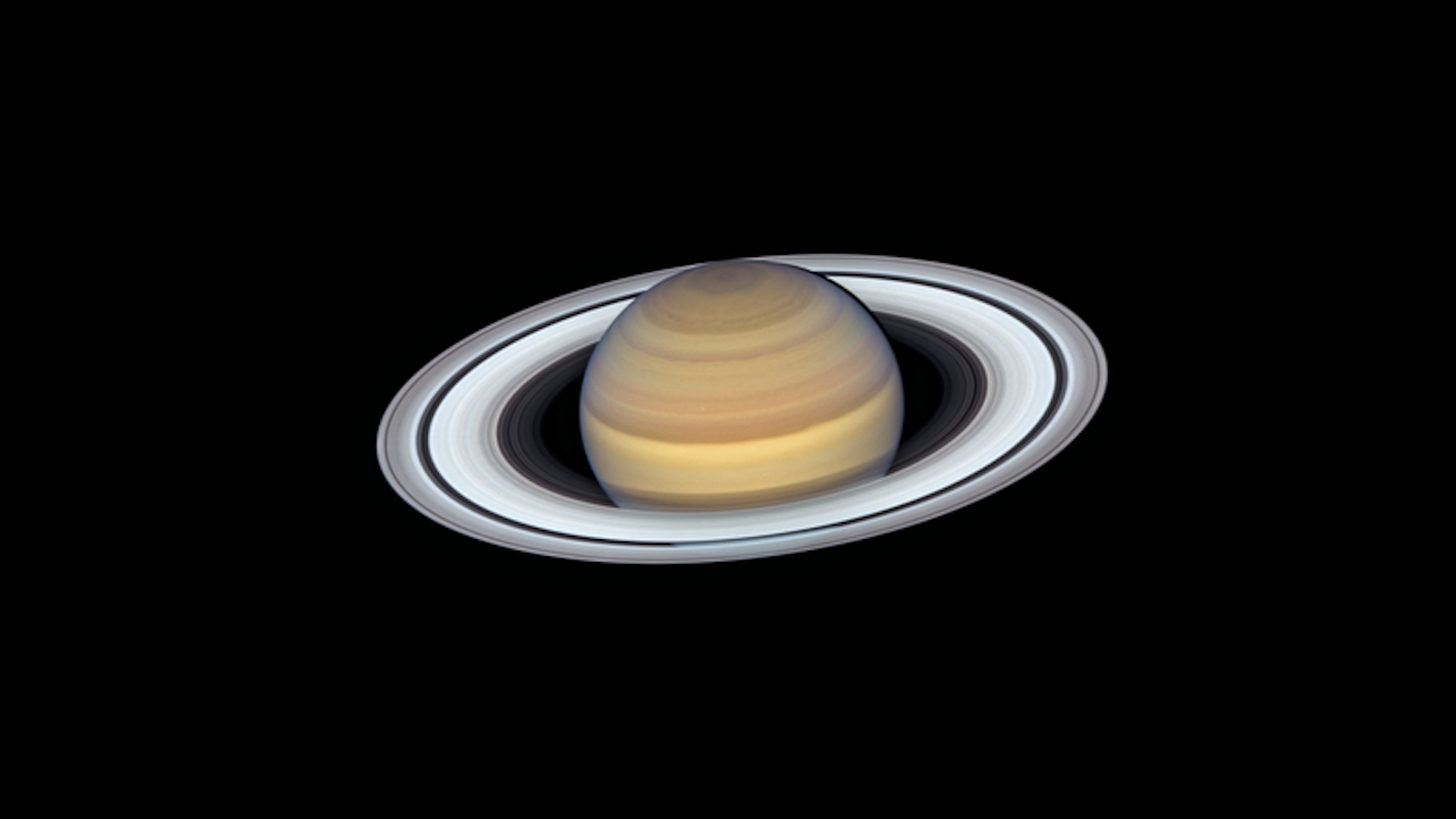
Saturn's rings may be more ancient than previously thought, according to a new analysis published in the journal Nature Astronomy this week.
Why it matters: The true age of the rings has major implications for the age of Saturn's moons. Many scientists think that Saturn's moon Enceladus is one of the places in our solar system most likely to host life, but if the moon is young, life may not have had enough time to develop.
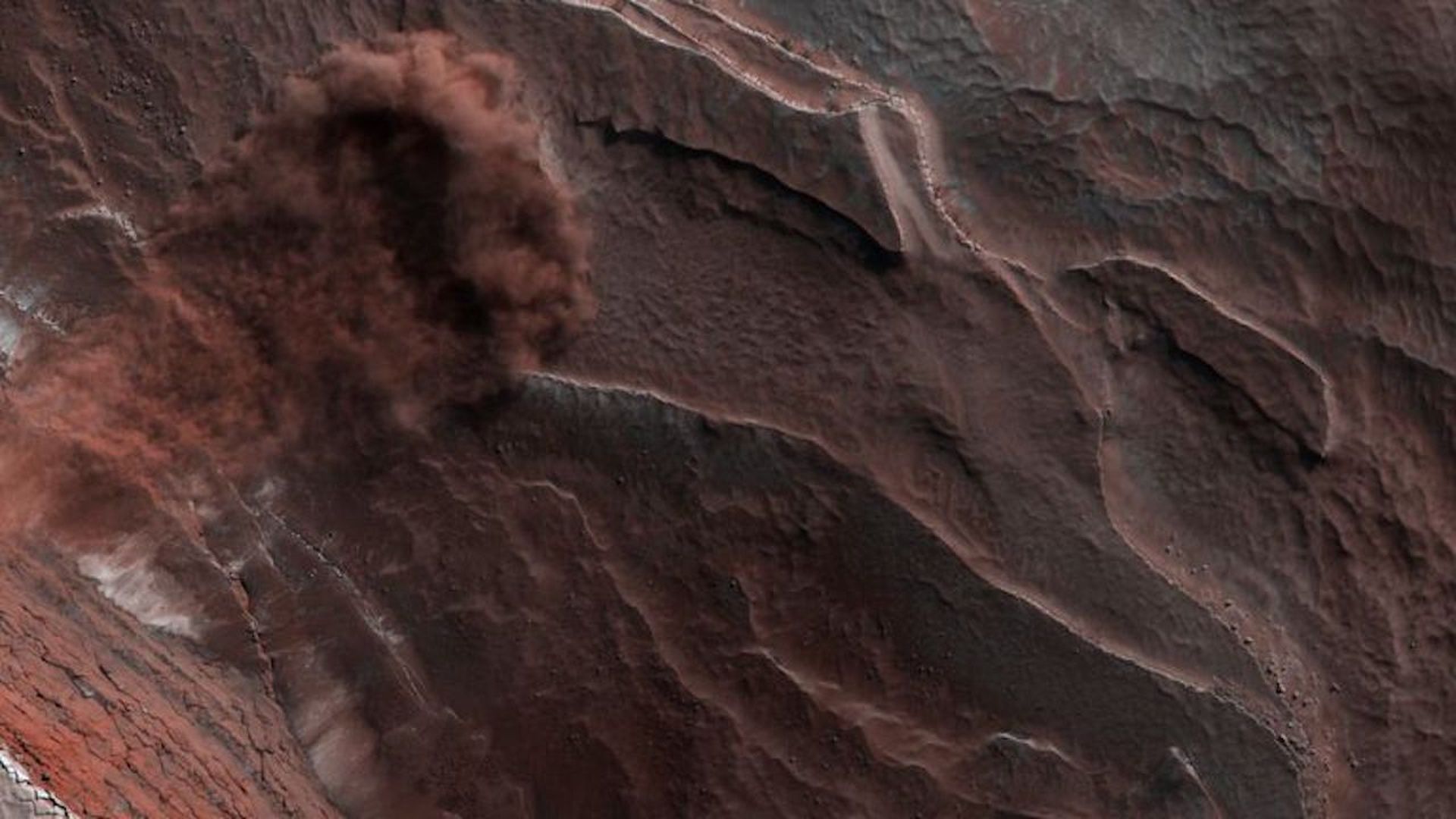
A photo taken in May by NASA's Mars Reconnaissance Orbiter shows an avalanche of ice falling on the planet.
What they're hearing: "Every spring the sun shines on the side of the stack of layers at the North Pole of Mars known as the north polar layered deposits. The warmth destabilizes the ice and blocks break loose," NASA said in an image description.