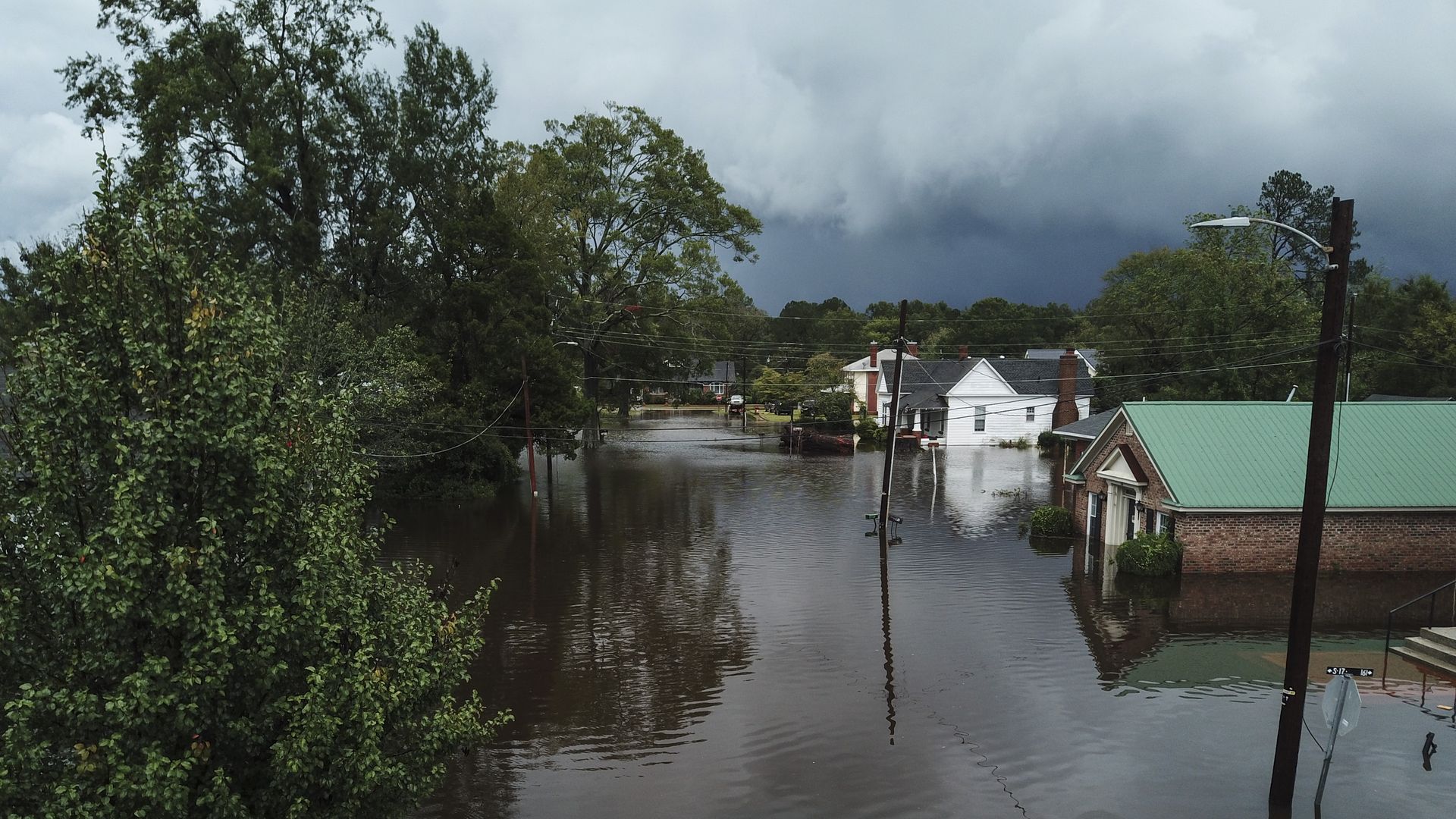
After record-shattering rainfall from Hurricane Florence, rivers in North Carolina are continuing to rise to never-before-seen levels, inundating entire communities and prompting thousands to hastily evacuate. At least 23 people have perished in the storm and its aftermath so far, and this number is likely to rise.
The big picture: Florence, along with Hurricane Harvey that struck Texas last year, has finally confirmed that measuring a hurricane's intensity based solely on its winds is misleading at best. Florence, for example, set all-time rainfall records for any tropical storm or hurricane in North and South Carolina, and it has sent many rivers rising to record levels.
North Carolina faced damages of more than $10 billion from Hurricanes Bertha and Fran in 1996, part of a string of disasters that forced the insurance industry to evaluate how much coastal risk it was willing to sustain.
The big picture: Despite wholesale reforms in insurance and increased awareness about future vulnerability for coastal property, developers built 113,000 new homes in coastal North Carolina from 2000-2014, ProPublica notes.
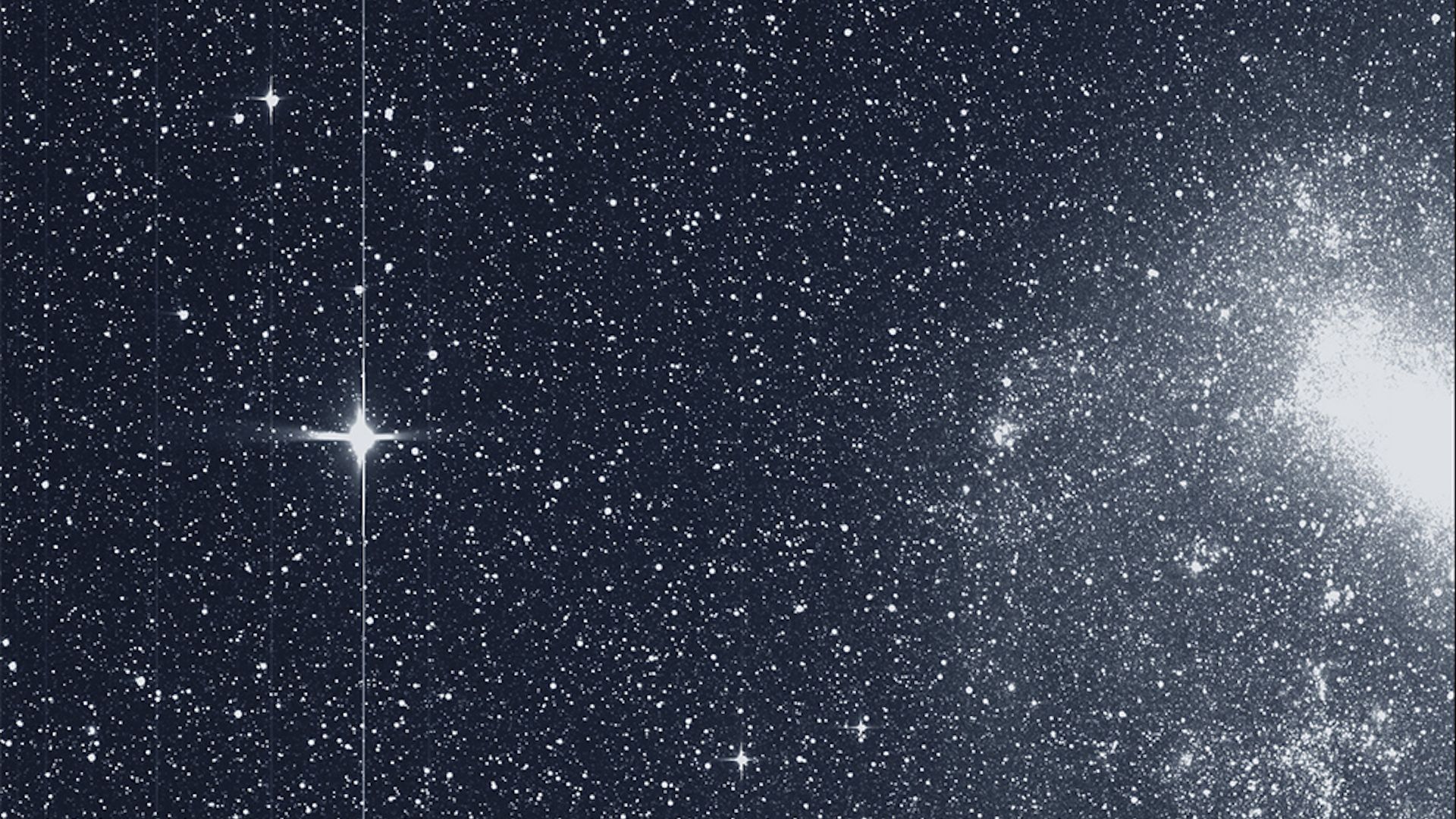
NASA's new planet-hunting spacecraft, known as the Transiting Exoplanet Survey Satellite (TESS), is now beaming back data to help scientists track new planets that exist beyond our solar system. While in its initial science orbit, TESS took a detailed snapshot of the southern sky, which NASA called a "first light" image.
Why it matters: “In a sea of stars brimming with new worlds, TESS is casting a wide net and will haul in a bounty of promising planets for further study,” said Paul Hertz, astrophysics division director at NASA Headquarters in Washington, in a press release. “This first light science image shows the capabilities of TESS’ cameras, and shows that the mission will realize its incredible potential in our search for another Earth.”