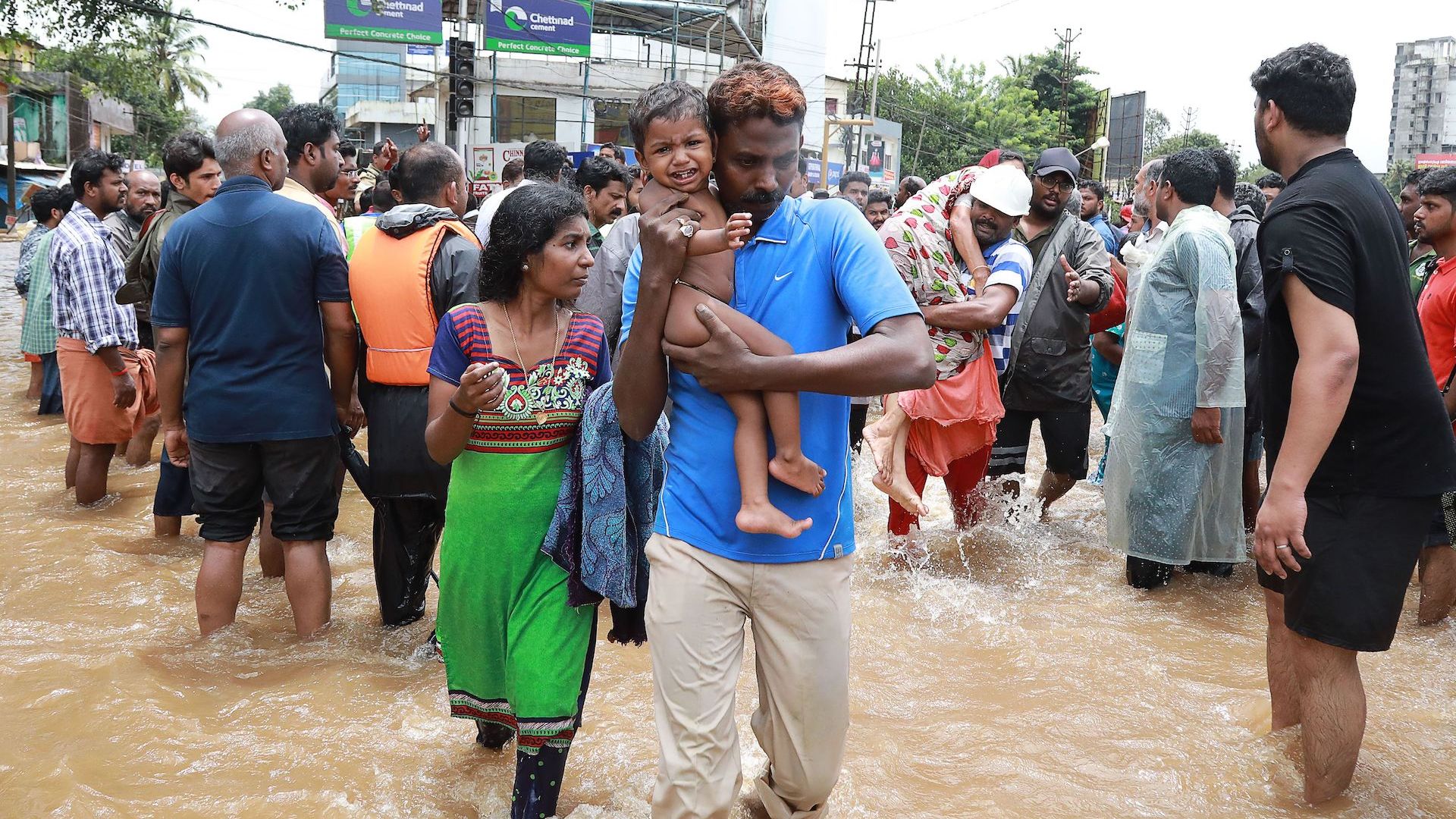
Hundreds are dead, and more than 150,000 have reportedly fled historic flooding in the southern Indian state of Kerala. The rains are the result of a relentless, seemingly stuck monsoon, which is causing the worst flooding the state has seen in decades, if not longer.
Why it matters: The Indian Monsoon is one of the most important climate cycles on the planet, responsible for feeding one of the world's most populous nations. But the downpours that sweep in from the Indian Ocean can be ruinous when they repeatedly pelt one area. In this case, Kerala has received 41% more rainfall than average for the year so far, much of it coming in the past few weeks.
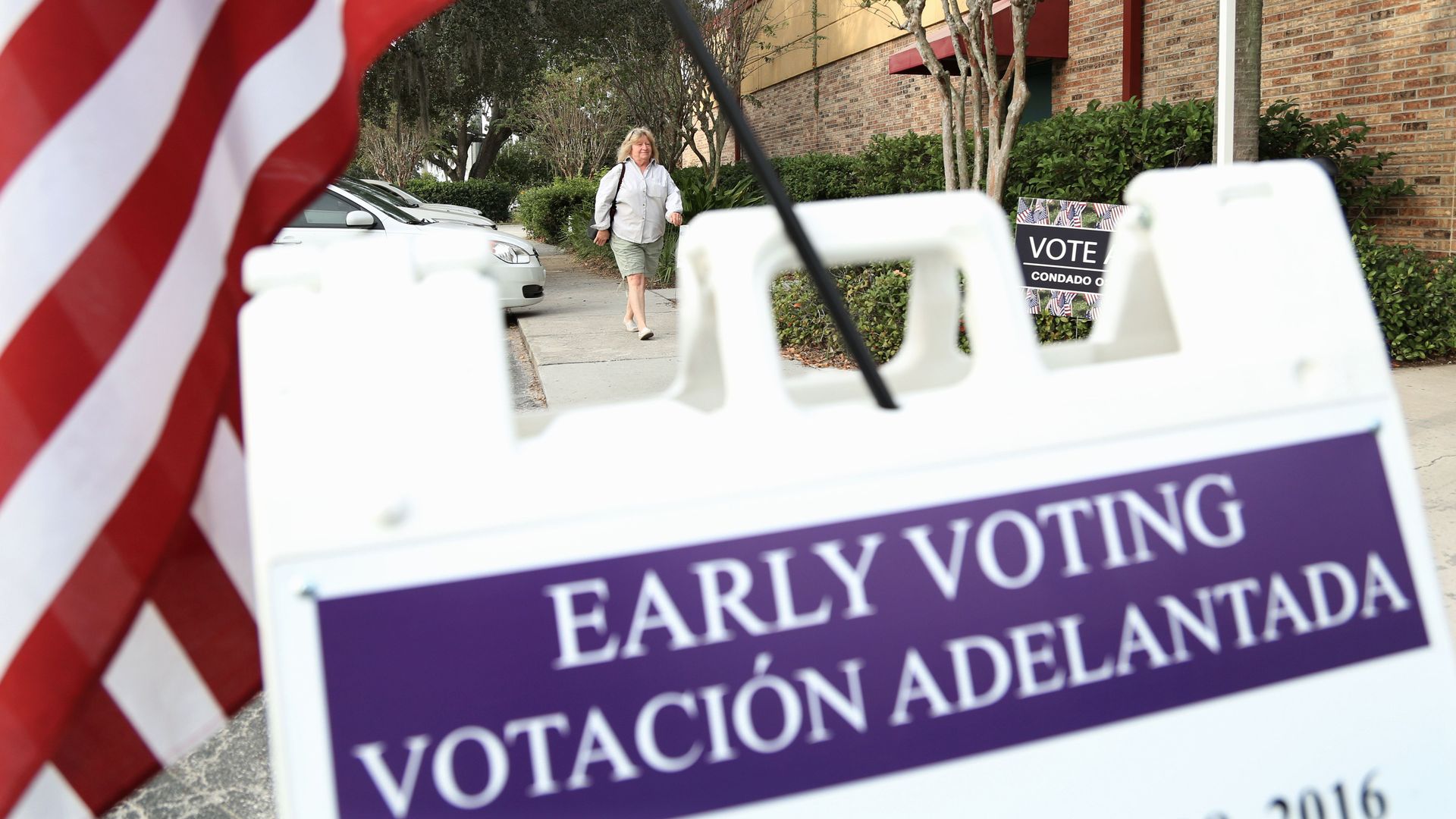
Civil rights groups filed a federal lawsuit against Florida election officials on Thursday, demanding Spanish-language voting materials and translators be available for voters of Latino descent in 32 counties for this year’s midterm elections.
The details: The nonpartisan groups say they have been working with officials in the counties to provide language services to Puerto Ricans — tens of thousands of whom have moved to the state since Hurricane Maria ravaged the U.S. territory. They expressed concern that many of the U.S. citizens with limited English proficiency are being disenfranchised. There are more than 1 million Puerto Ricans living in the state, per the Pew Research Center.
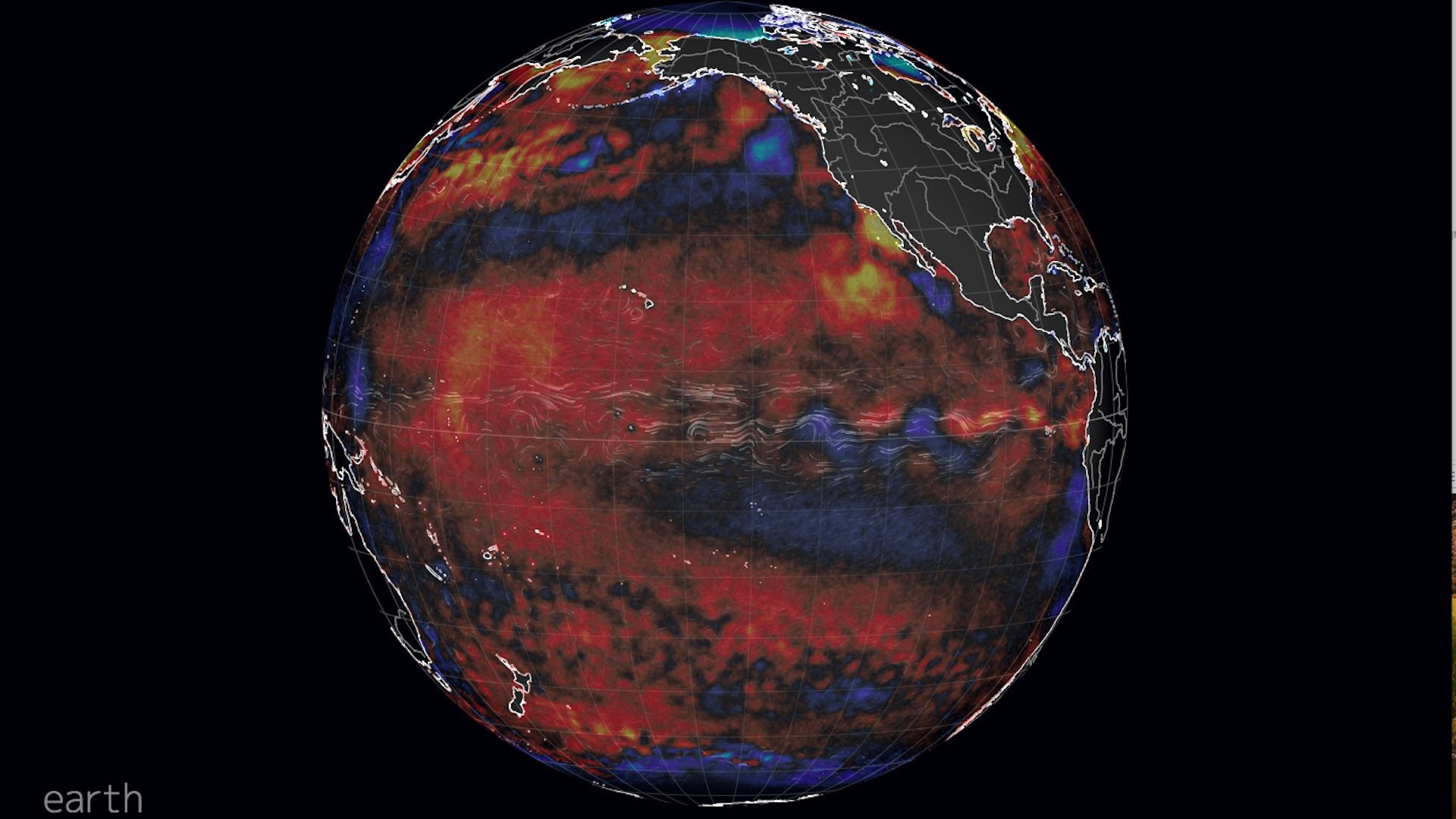
In the tropical waters of the equatorial Pacific Ocean, conditions appear to be primed for the development of an El Niño event, with potentially far-reaching consequences.
Why it matters: If an El Niño does develop, even a weak one, it could influence weather patterns around the world — from increasing the odds of above-average winter precipitation in California to favoring drought conditions in Indonesia. It could also provide a natural boost to global average surface temperatures, nudging 2018 and possibly 2019 further up the ladder of the hottest years on record.
Odds favor a return this year of the climate phenomenon known as El Niño — above-average sea surface temperatures in the equatorial tropical Pacific Ocean and related changes in weather patterns.
Why it matters: Depending on their intensity and exact location, El Niño events can alter global weather patterns — favoring above average precipitation in the parched state of California, for example, while inducing drought elsewhere. Typically, such events develop sometime in late summer or early fall, and peak during the winter.