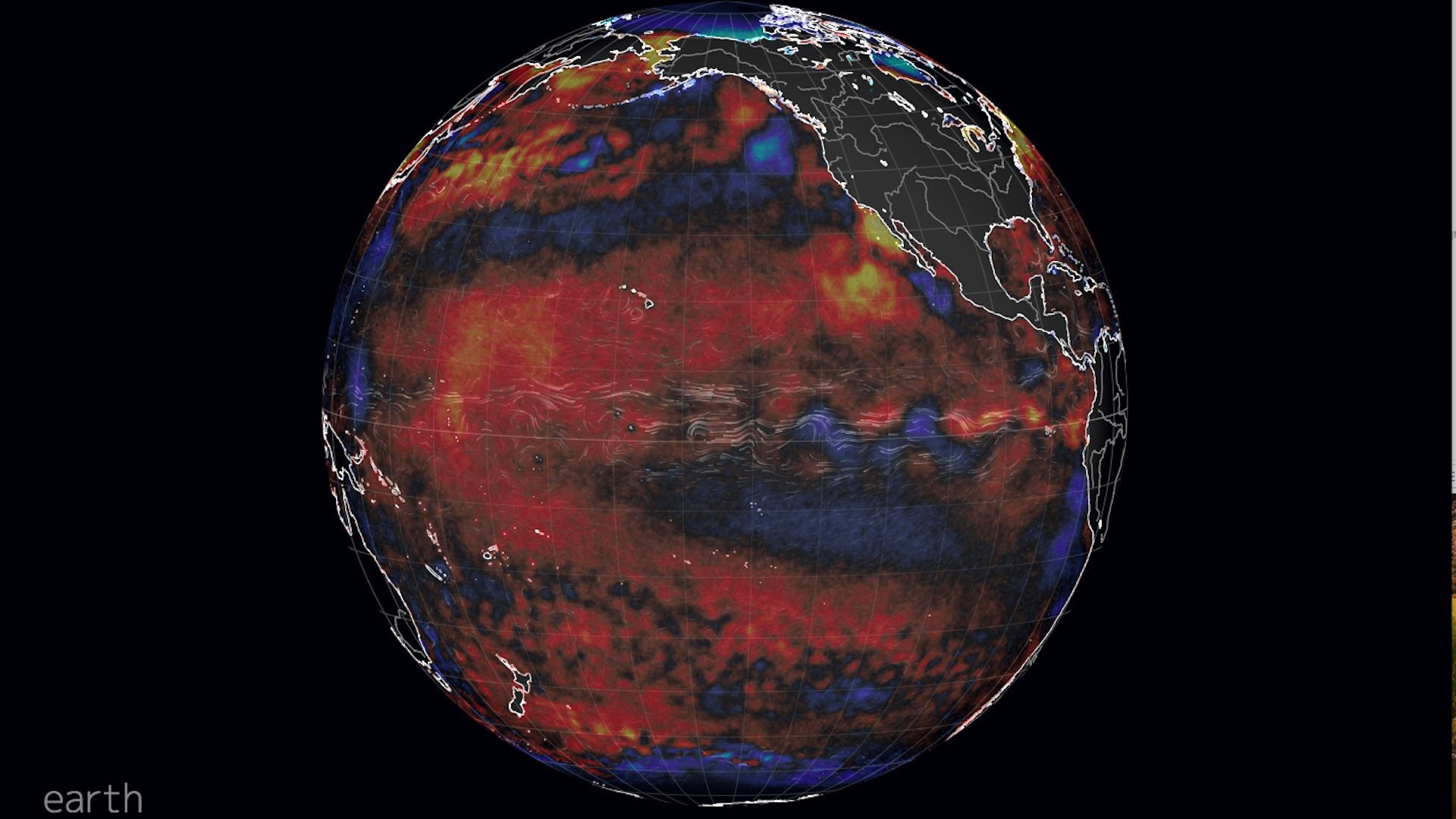
In the tropical waters of the equatorial Pacific Ocean, conditions appear to be primed for the development of an El Niño event, with potentially far-reaching consequences.
Why it matters: If an El Niño does develop, even a weak one, it could influence weather patterns around the world — from increasing the odds of above-average winter precipitation in California to favoring drought conditions in Indonesia. It could also provide a natural boost to global average surface temperatures, nudging 2018 and possibly 2019 further up the ladder of the hottest years on record.
Odds favor a return this year of the climate phenomenon known as El Niño — above-average sea surface temperatures in the equatorial tropical Pacific Ocean and related changes in weather patterns.
Why it matters: Depending on their intensity and exact location, El Niño events can alter global weather patterns — favoring above average precipitation in the parched state of California, for example, while inducing drought elsewhere. Typically, such events develop sometime in late summer or early fall, and peak during the winter.
Dan welcomes on Axios' Lauren Meier to learn more about how President Trump's Space Force will work — and if it will work. Then he looks at the growing tech startup bubble and a role reversal between the U.S. and China.
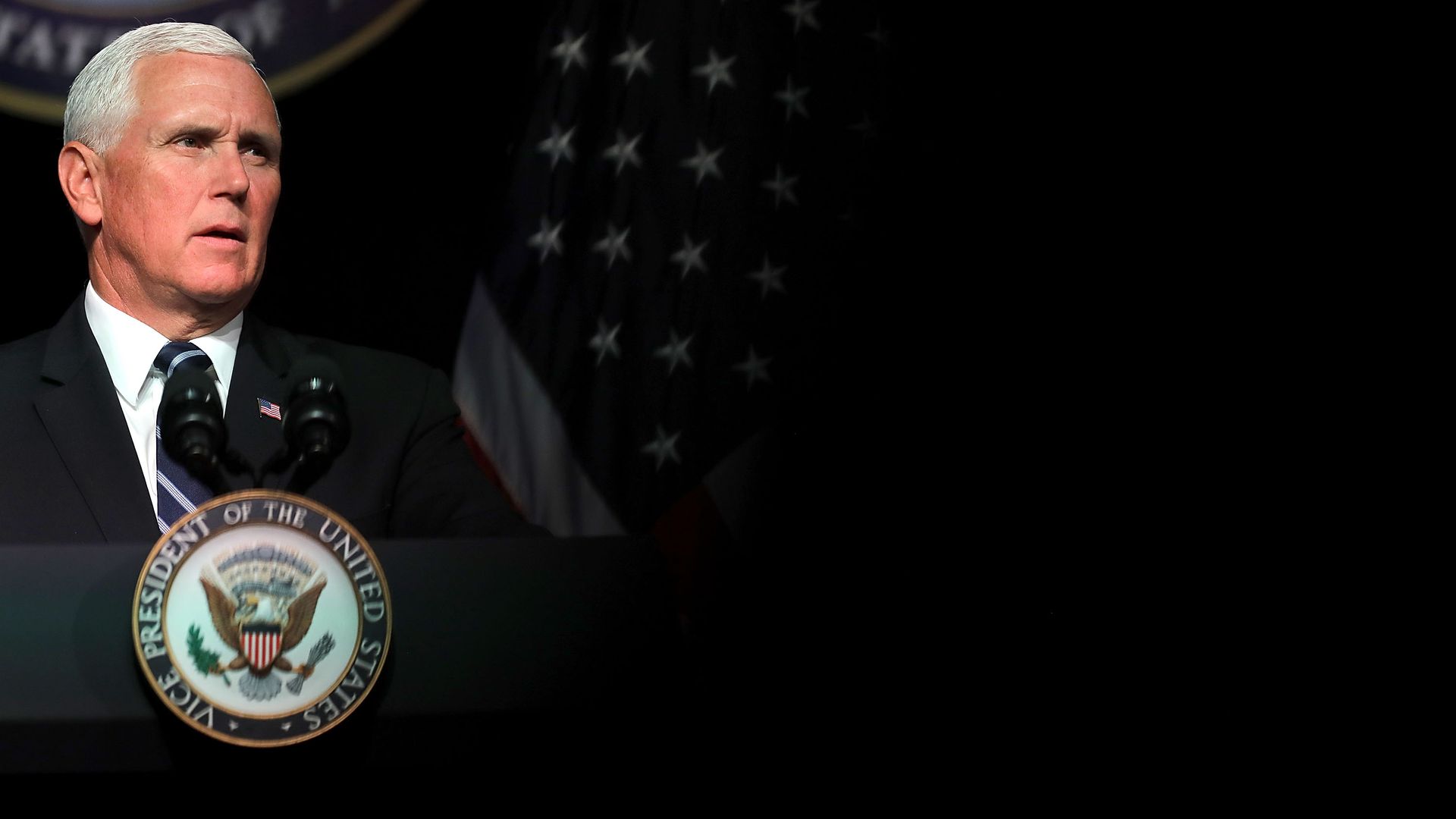
While the Space Force was just announced last week by Vice President Mike Pence, some government contractors are already planning to benefit from building the technology that would be needed for space combat, the Washington Post reports.
The details: Northrop Grumman, Lockheed Martin, Harris Corporation, and Boeing — some of the government's main defense contractors — would stand to profit even more than usual because of the private sector's relatively small and concentrated pool of preexisting technical knowledge needed to fuel the Space Force.
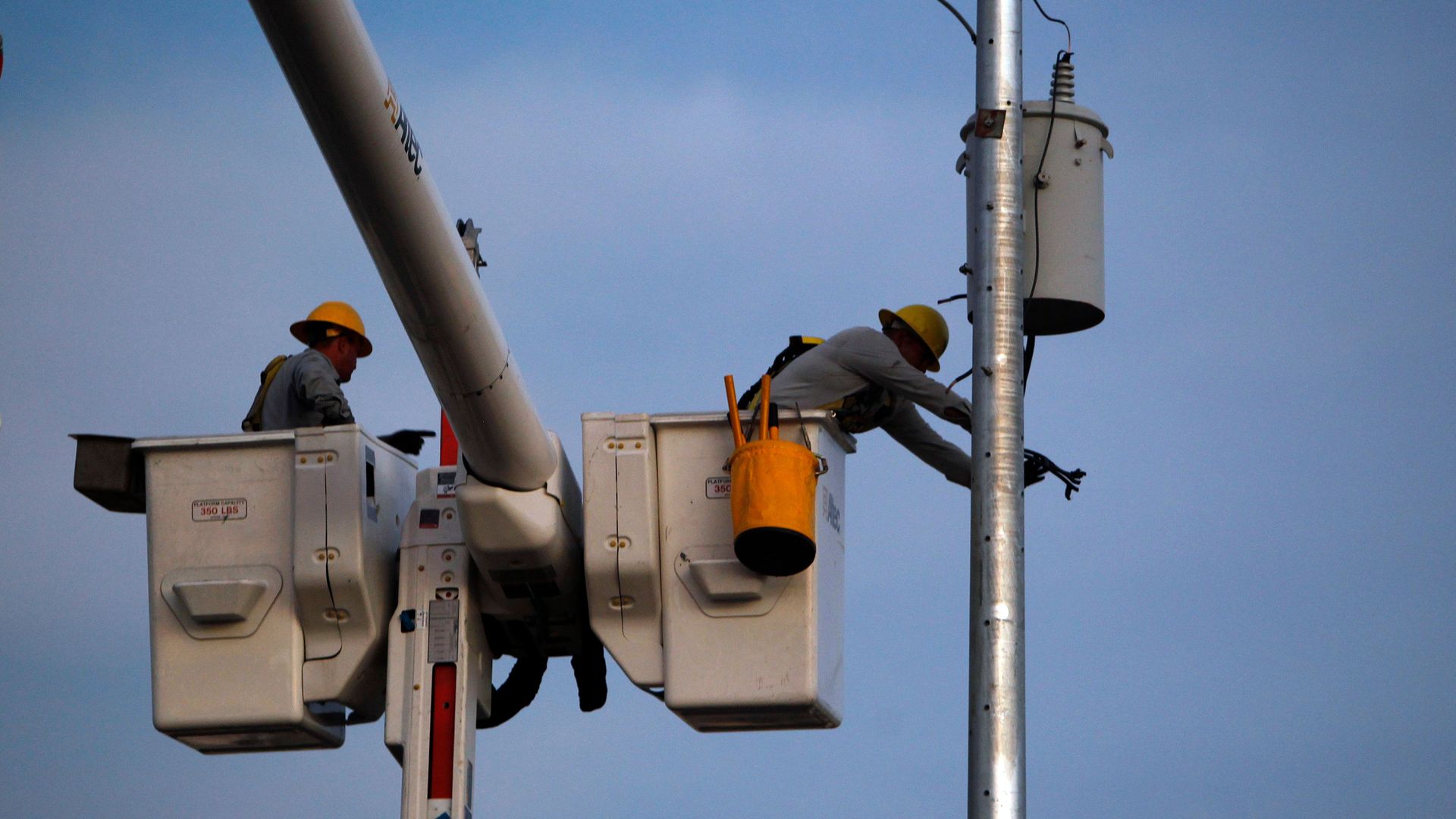
After 11 months, the last residential customers of the Puerto Rico Electric Power Authority are being reconnected. But the island's electricity system isn't in much better condition than it was before Maria cut power to every home and business, the N.Y. Times' Frances Robles reports from Ponce, P.R.
The big picture: After $3.2 billion, 52,000 new electrical poles and 6,000 miles of wire, "many billions of dollars more must still be spent to reconstruct the system." And José Ortiz, the new chief executive of the power authority, known as Prepa, "estimates that up to one-quarter of the work done hurriedly to illuminate Puerto Rico after the storm will have to be redone."
Puerto Rican officials said Tuesday that the Puerto Rico Electric Power Authority has restored service to the entire country — almost 11 months after Hurricane Maria ravaged through the island and knocked out the U.S. territory’s power grid, according to multiple media reports.
The details: The company reconnected electricity in the final neighborhood of Ponce, which was made difficult due to landslides and impassable terrain, reports the AP. However, PREPA spokesman Gerardo Quinones said some citizens may still be without power due to certain repairs needed, and people on the island of Vieques are still using generators. The power outage is reportedly the longest continuous blackout in U.S. history.