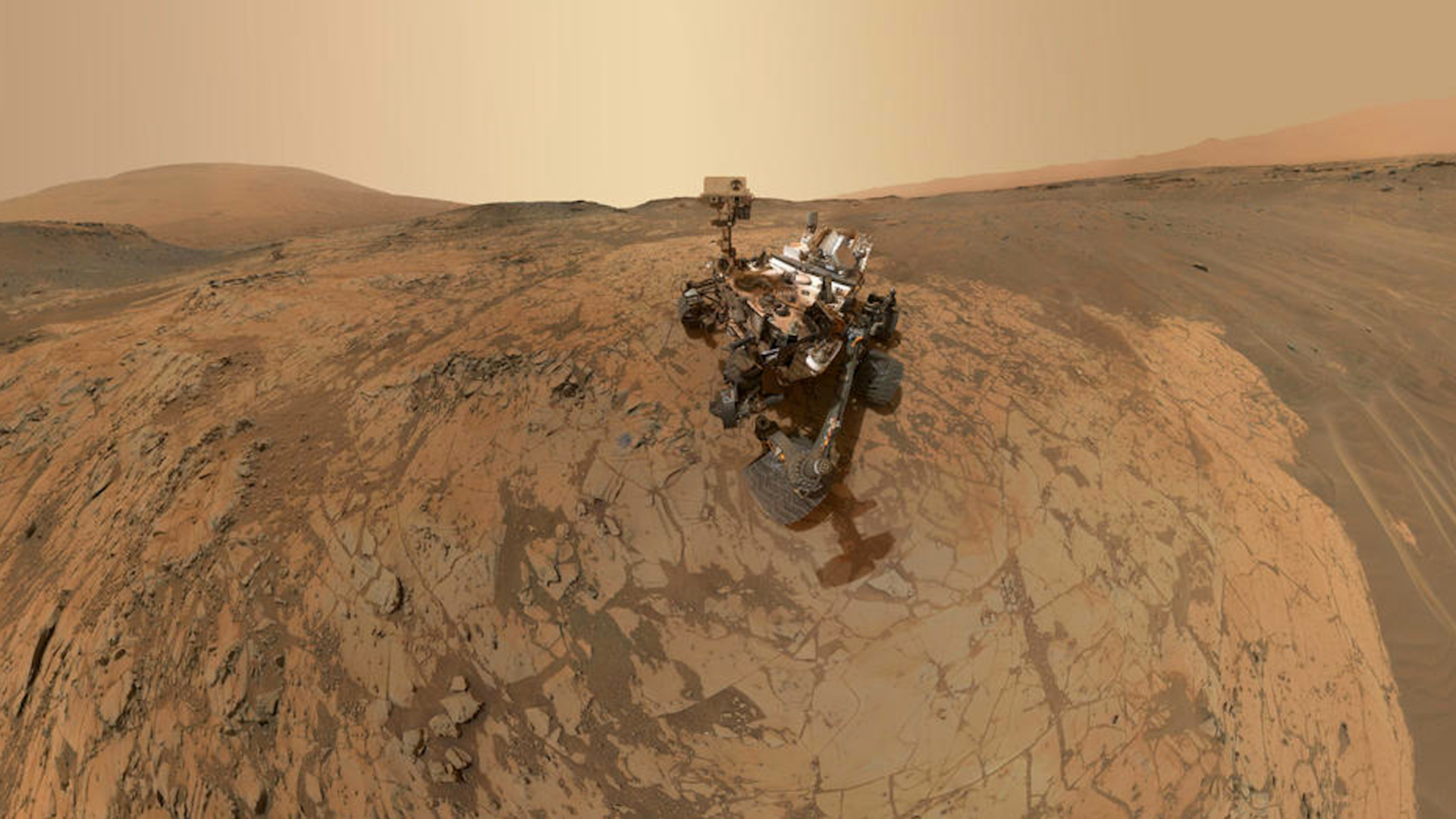
NASA scientists found evidence on Mars that suggests ancient life could have existed on the planet, providing "a piece of the Mars puzzle that scientists have long been seeking," per the New York Times. Specifically, scientists found organic matter in rock fragments that formed billions of years ago.
But, but, but: This isn't direct evidence of life itself, NASA cautions. Per the Times, the carbon molecules discovered by NASA's Curiosity rover can be found in meteorites, and can be produced "in chemical reactions that do not involve biology."
President Trump went to FEMA on Wednesday for an annual hurricane forecast briefing, but this one was anything but normal, a transcript reveals and audio obtained by the Washington Post shows.
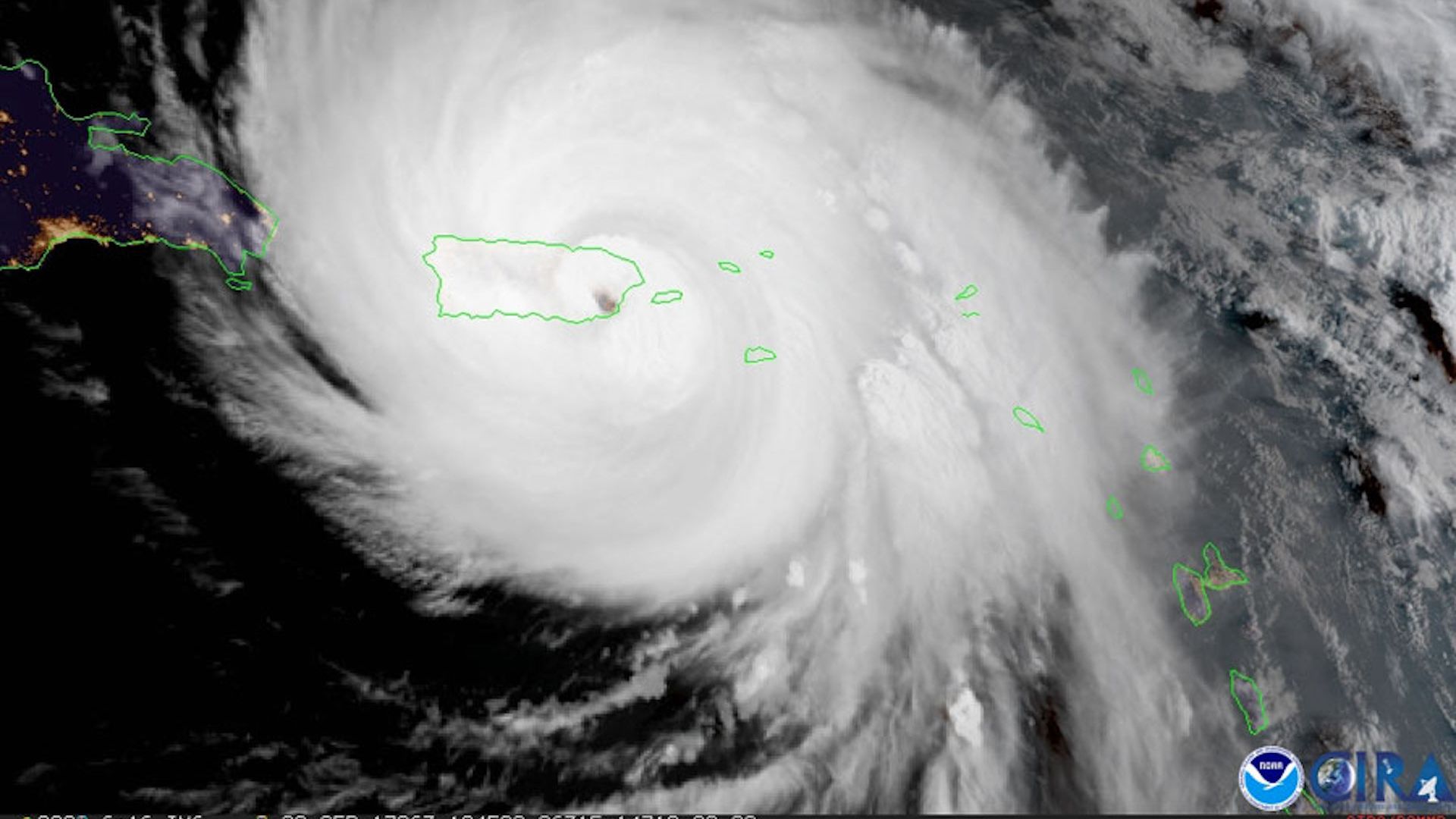
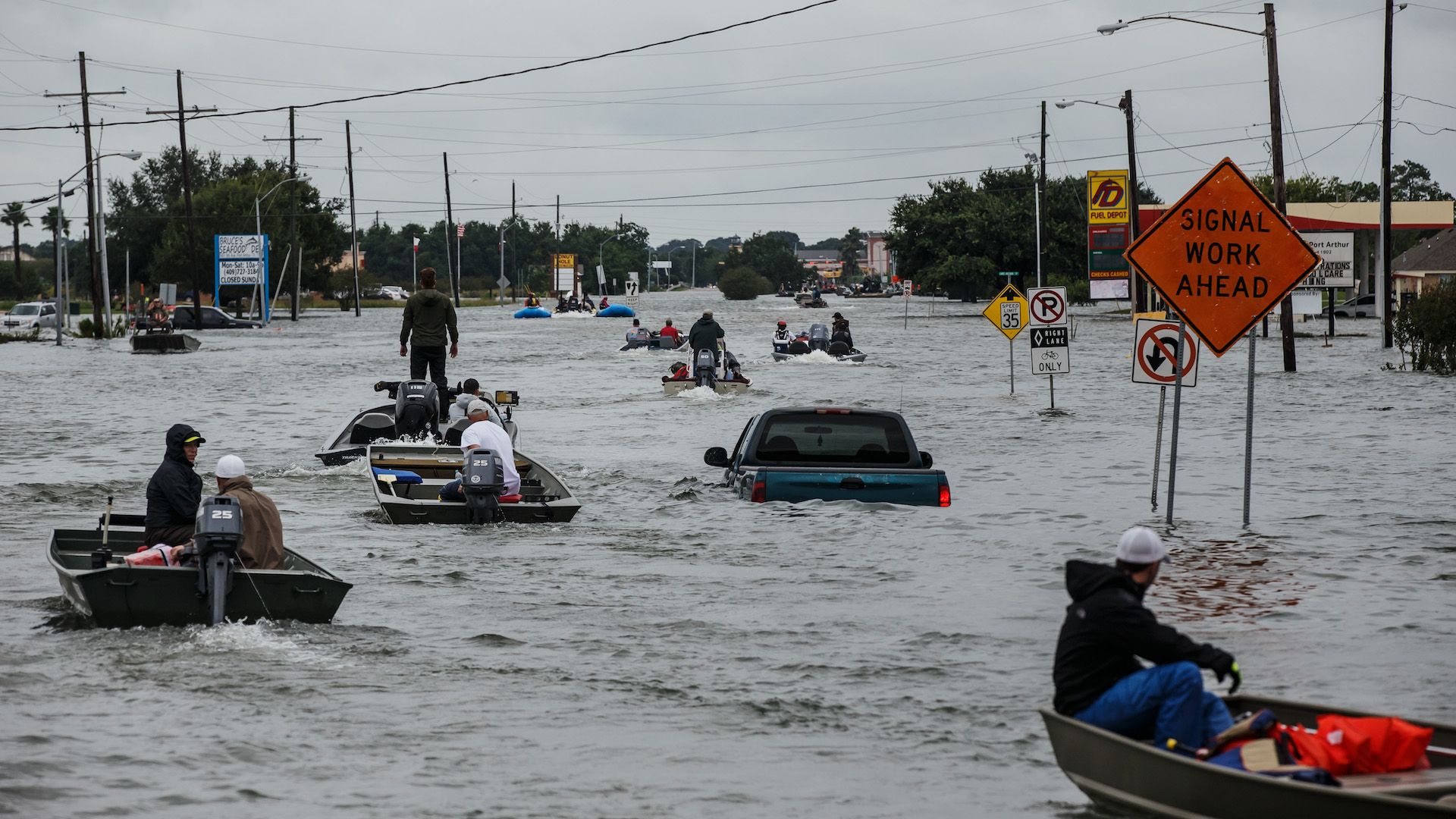
The big picture: The 2017 Atlantic hurricane season was among the most damaging on record, causing tens of billions in damage and possibly more than 4,000 deaths between the mainland U.S. and Puerto Rico. Hurricane Harvey, which caused the heaviest rainstorm ever observed in the U.S., had total costs of $125 billion alone.
Every area of the globe has warmed since instrument records began in 1880, NASA data shows. The planet isn't warming equally, however — the fastest temperature increases are taking place at the poles. The Arctic, for example, is warming at more than twice the rate of the rest of the globe, melting sea ice, glaciers and permafrost.
The bottom line: Due largely to human emissions of greenhouse gases, there is virtually no such thing as a cooler than average year on Earth anymore. (The last cooler-than-average month was 30 years ago, in December 1984).
Last year, Hurricane Harvey dumped more than 5 feet of rain on the Houston area in just a few days making it the heaviest rainstorm the U.S. has ever recorded. Now, a new study shows that multiple factors, each of them climate change-related, are raising the risk of similar, meandering hurricanes in the U.S. and other parts of the globe.
Why this matters: Hurricanes are nature's most powerful and destructive storms, inflicting billions in damage each year. In the U.S., inland flooding, not coastal storm surge, is now their deadliest threat, and new data suggests this problem is going to get worse as the climate continues to warm.
Americans rank monitoring Earth's climate and detecting asteroids and other objects that could hit the planet as top priorities for NASA, according to a new Pew Research Center survey. Lowest on the list: returning astronauts to the Moon — a top priority for the White House.
For the future: Half of the 2,541 Americans surveyed think people will be routinely traveling to space as tourists in the next 50 years. But 58% of respondents said they wouldn't want to orbit Earth.