Microsoft faces foreign worker crackdown as Vance blasts layoffs


Add Axios as your preferred source to
see more of our stories on Google.
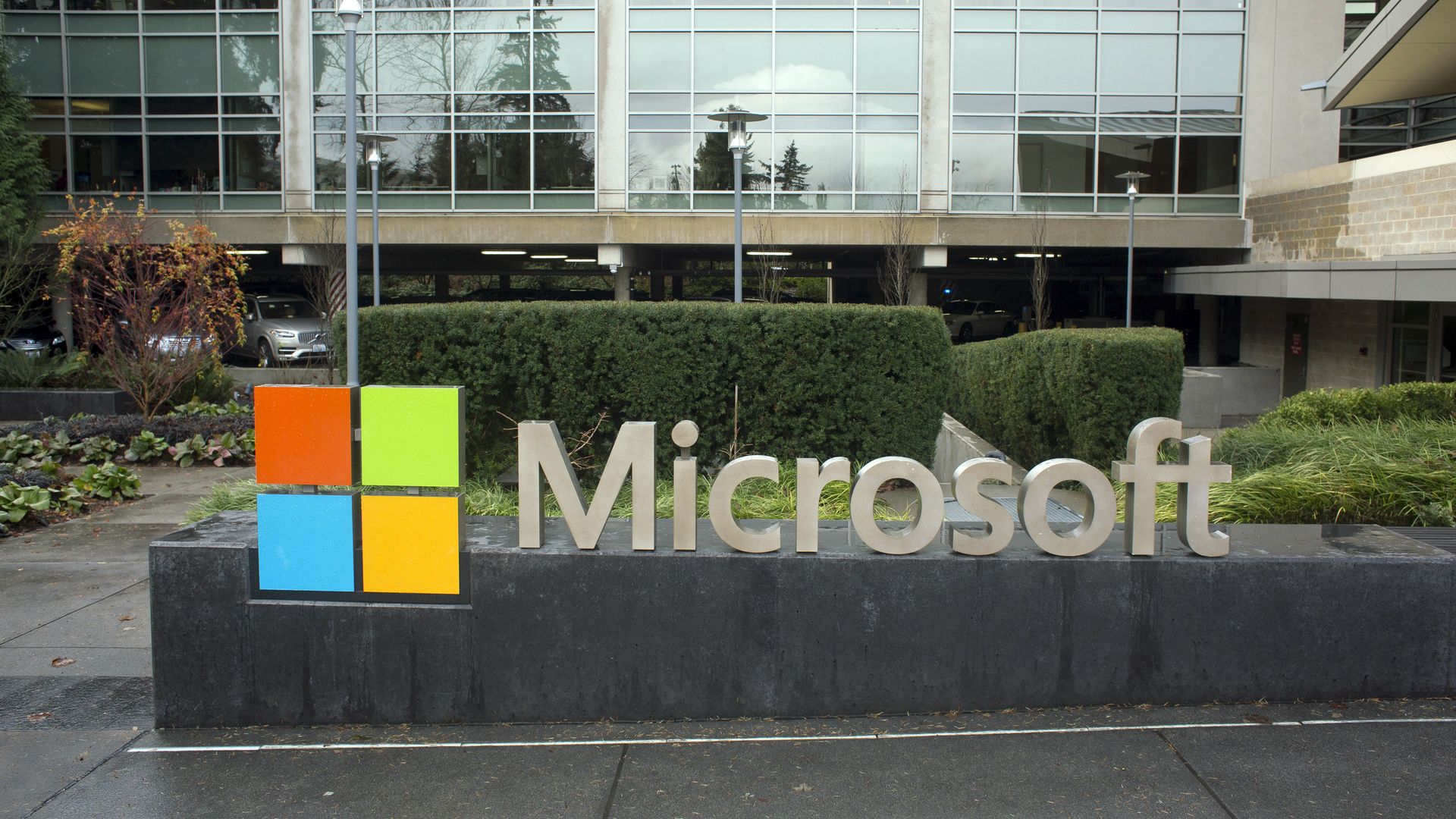
Hiring under fire. Photo: David Ryder/Bloomberg via Getty Images
The Trump administration's crackdown on foreign workers landed squarely in Seattle's backyard Thursday, with Microsoft, Adobe and six other firms targeted for suspension from a federal green card program.
The big picture: Vice President JD Vance and Labor Secretary Keith Sonderling announced the new restrictions Thursday.
- Sonderling said the Department of Labor will stop accepting new permanent labor certification applications and will stop processing pending applications involving eight companies.
The move also targets Tata Consultancy Services, Infosys, Wipro, HCL, Cognizant and Capgemini, all of which have offices, operations or employment activity in the Puget Sound region.
Vance singled out Microsoft, criticizing the company for layoffs while benefiting from 6,300 H-1B visas and nearly 3,000 green cards.
- "You cannot lay off American workers and then replace them with foreign indentured servants," Vance said.
- "We are cutting off the head of the snake, the companies that have enabled this abuse for decades," said Sonderling.
The other side: Microsoft pushed back, saying 80% of its roughly 6,000 H-1B applications last fiscal year were for existing employees, not new hires.
- The remaining applications were for workers already legally in the U.S. and represented just 1% of Microsoft's U.S. workforce, the company said in an e-mailed statement.
U.S. Rep. Pramila Jayapal, the top Democrat on the House immigration subcommittee and a former H-1B visa holder, criticized the move on X, writing that "you don't fix a broken immigration system by taking a hammer to legal immigration."
Zoom in: The permanent labor certification program, which is administered through the Department of Labor, allows a company to hire foreign workers to live permanently in America.
- It's typically the first step in receiving an employer-sponsored green card. It's also separate from H-1B visas, which allow workers to live and work temporarily in the U.S.
- H-1B visas primarily go to highly skilled workers in specialized occupations. Technology companies are among the program's biggest users.
- The Trump administration has made reducing the number of foreign workers in the country a rallying cry, accusing foreign-born workers of taking jobs that could — and, in its view, should — go to Americans.
Worth noting: Trump awarded the National Medal of Technology and Innovation to Microsoft CEO Satya Nadella at the White House just hours after the announcement.