Washington's roadless forests face new threat

Add Axios as your preferred source to
see more of our stories on Google.
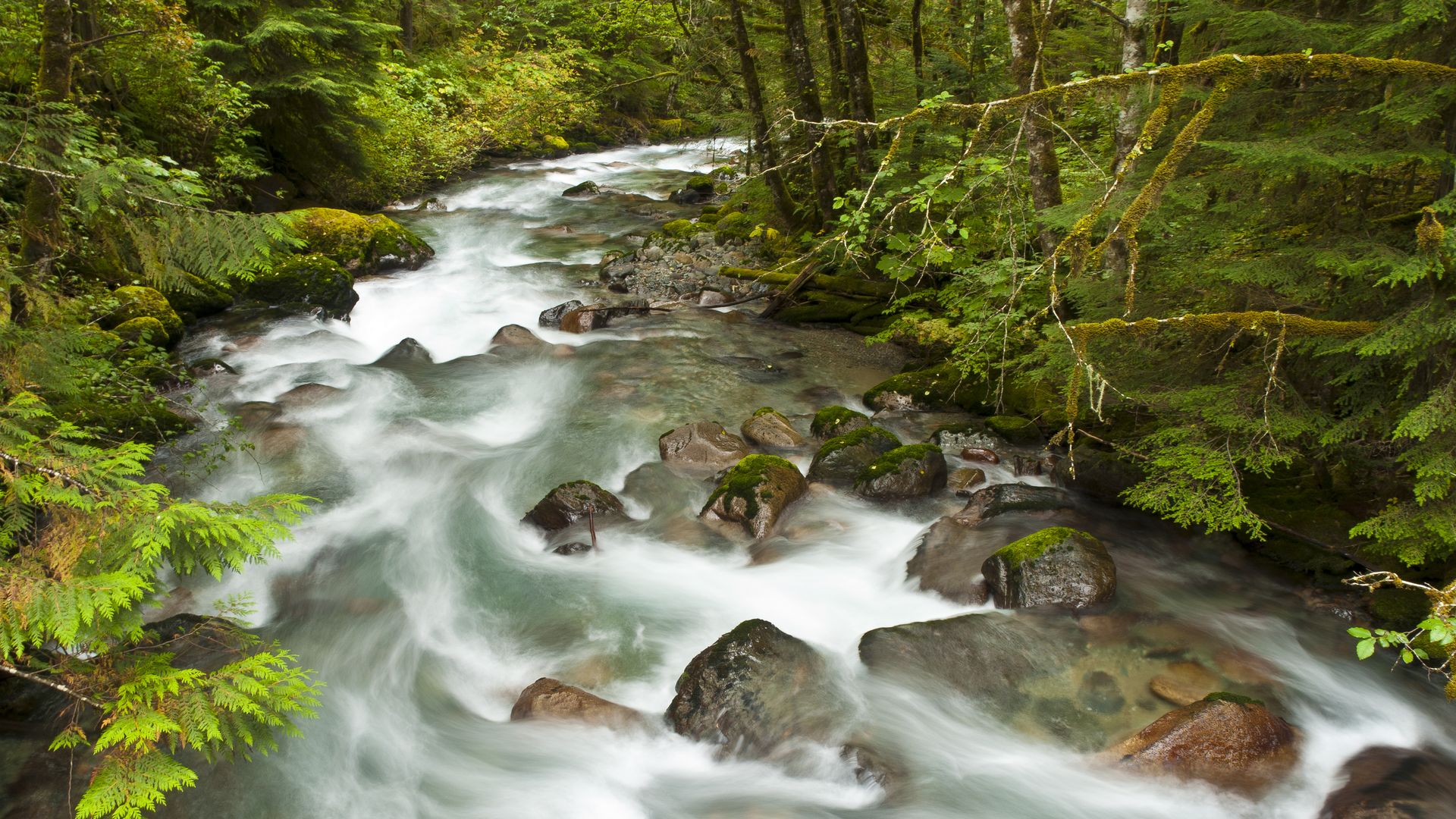
The North Fork Cascade River in Mount Baker-Snoqualmie National Forest, Washington. Photo: Greg Vaughn/VW PICS/Universal Images Group via Getty Images
The Trump administration is moving to scrap a 25-year-old rule that limits roadbuilding and logging, potentially opening Washington's national forests to development.
Why it matters: The Roadless Rule protects roughly 2 million acres of some of the state's national forests.
- Its repeal could open those areas to more roadbuilding and logging.
Zoom in: For Seattle-area residents, the affected lands aren't obscure corners of the state.
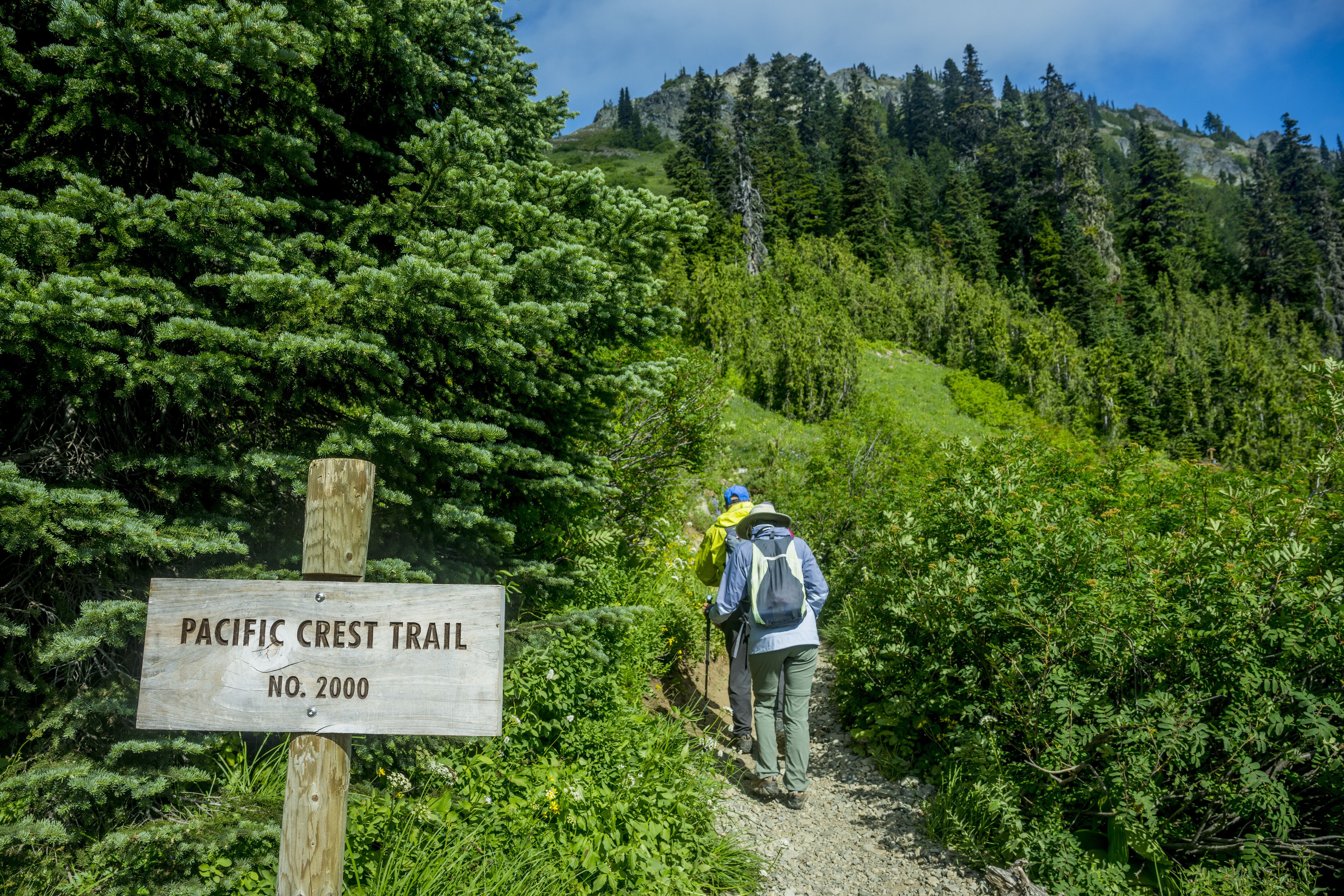
- Roadless areas include popular destinations around Washington Pass, Baker Lake, Lake Chelan and Quinault Lake, as well as 231 miles of the Pacific Crest Trail.
- The protections also extend beyond recreation: Leavenworth, Kittitas County and other Washington communities rely on drinking water from forests protected by the rule, according to the Washington Trails Association.
How it works: Adopted in 2001, the rule generally prohibits new roads and timber harvesting in designated roadless areas of national forests.
What they're saying: The Trump administration says those restrictions make it harder to prevent and fight wildfires, thin overgrown forests and respond to insect and disease outbreaks.
- "We've watched preventable conditions — overgrown stands, insect outbreaks and disease — turn healthy landscapes into tinderboxes," Agriculture Secretary Brooke Rollins said in announcing the proposal.
Yes, but: Roads can also increase wildfire risk by bringing more people — and more potential ignition sources — into remote forests, studies have found.
- And the existing rule already allows roads to be built when needed to address fires and other imminent threats to public safety.
The other side: Timber industry groups argue the rule makes it harder to manage forests that have changed dramatically since 2001.
- "We should continue to adapt and learn from failed policies to meet the moment, not continue to cling to positions and ideas that don't serve the public's interest," American Forest Resource Council president Travis Joseph said in a statement.
Reality check: Eliminating the rule would not automatically approve logging or new roads across those 2 million acres.
- Individual projects would still face forest plans, environmental reviews and other federal requirements.
The latest: A dozen conservation groups are asking the Forest Service to extend the public comment period and hold public meetings before making the change final.
What's next: Comments, due by Sept. 21, can be submitted here.