How to prepare for that big hike


Add Axios as your preferred source to
see more of our stories on Google.
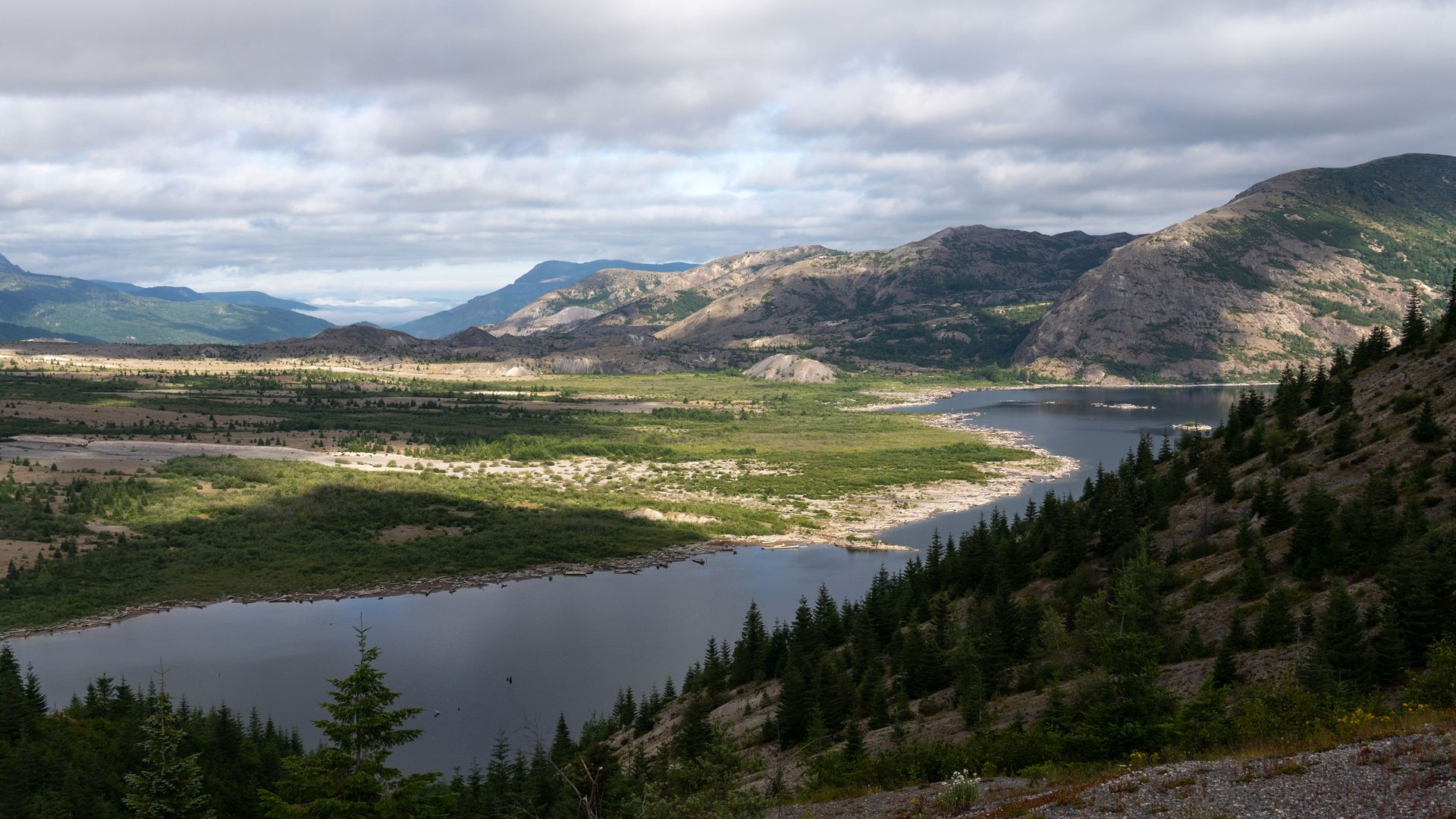
The backcountry is a great place to find yourself, but a terrible place to find yourself lost. Photo: Marli Miller/UCG/Universal Images Group via Getty Images
The weather's warming up, the backcountry is calling, and there are some simple things you can do to prevent your next adventure from becoming a search-and-rescue mission.
Why it matters: More and more people get lost, injured or stranded in the backcountry every year because they failed to plan or didn't bring the right equipment.
Zoom in: Seattle Mountain Rescue has made 40-50 rescues so far this year and typically makes about 120 rescues in a year, said SMR chairperson Doug McCall.
- Some of their most frequent rescue locations include Mount Si, Little Si, Mount Teneriffe, Mailbox Peak and Rattlesnake Ledge — among the state's most heavily trafficked hiking destinations.
What they're saying: Many rescues involve hikers who head into the mountains to prepare for bigger climbs later in the year who are "not quite ready" for the challenge, McCall said.
The intrigue: Backcountry rescue calls have increased as more people seek remote outdoor experiences they see on social media, Christopher Van Tilburg of Crag Rats Mountain Rescue in Oregon told Axios.
- "They see it on social media, and they think, 'Oh, that's a cool trail,' and they go hike it, and they just didn't really research it very well," he said.
Be smart: The most important thing you can bring with you on any outdoor adventure — whether it's a day hike or a multiday trek — is knowledge.
- Download a route map to your phone and bring a paper backup just in case. Check out recent reviews of the route on sites like AllTrails for the most up-to-date conditions. Tell someone where you're going and when you'll be back.
- Bring the 10 essentials. Rescues can take hours, McCall said, so hikers should carry extra food, water and emergency gear. He advises adding an emergency blanket that can provide warmth, shade, shelter or a way to signal rescuers.
- Have a way to communicate in places with no internet service.
Know the weather: Keep a close eye on forecasts for where you're heading so you don't get caught in an unexpected snowstorm, wildfire smoke or a heat wave.
- Perhaps most importantly, know your limits: Outdoor adventures often involve testing personal boundaries, but understanding your capabilities is essential to staying safe.
The bottom line: Search-and-rescue volunteers will show up when things go wrong, but McCall said the best rescue is the one that never has to happen.