Microsoft turns 50: Tracing the tech giant's deep roots in Seattle

Add Axios as your preferred source to
see more of our stories on Google.
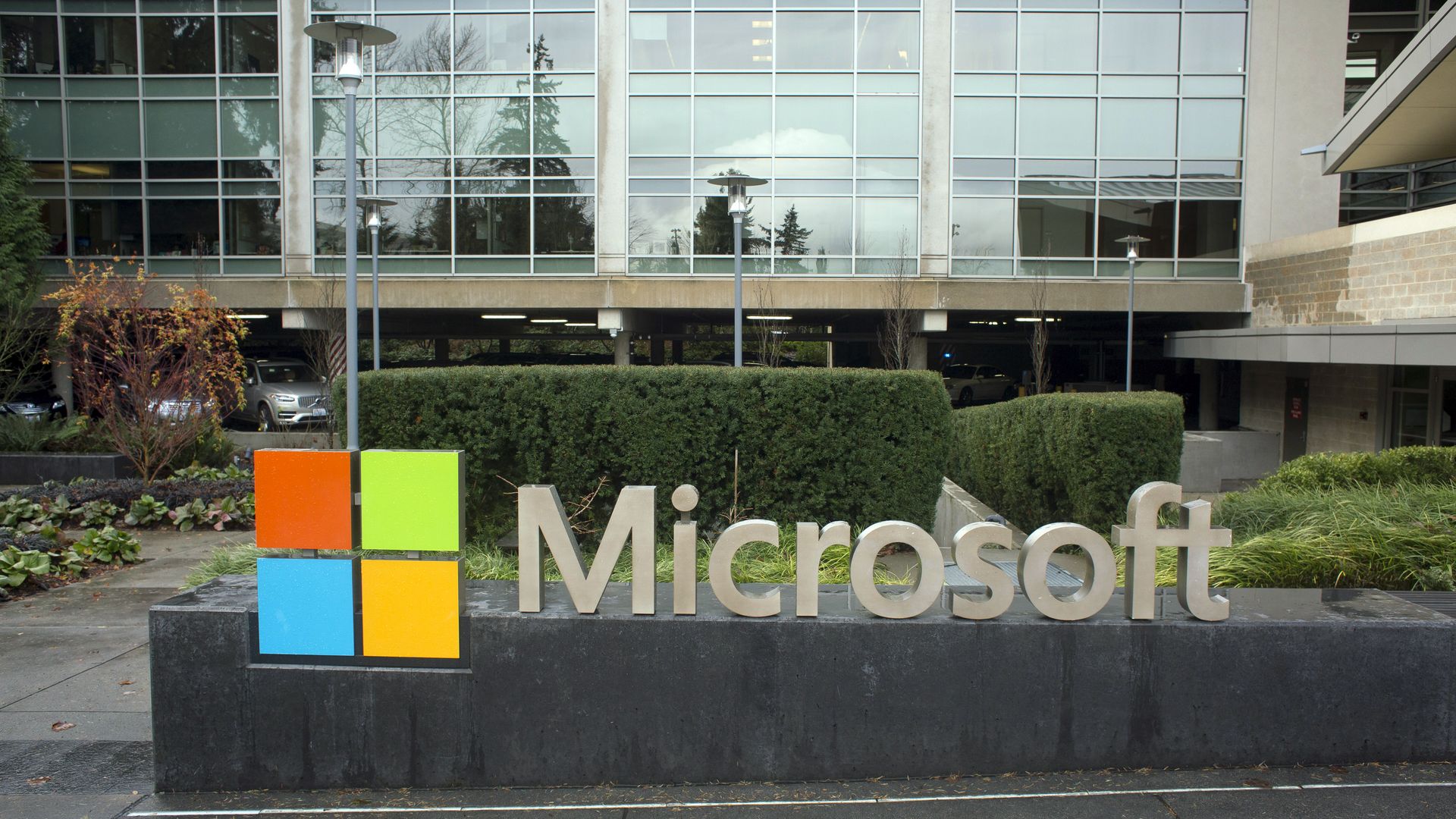
50 years in, Microsoft's legacy is still unfolding from its Redmond roots. Photo: David Ryder/Bloomberg via Getty Images
Seattle wouldn't be the city it is today without Microsoft, which turns 50 on Friday.
Why it matters: Microsoft's rise from scrappy startup to a nearly $3 trillion titan transformed the region into a global tech hub, reshaping everything from its economy and cost of living to its skyline.
Catch up quick: The company's early adoption of stock options for employees led to the minting of four billionaires and as many as 12,000 Microsoft millionaires.
- It drew waves of talent from universities and countries around the world, fueling rapid growth in both the suburbs and the city, and contributing to rising housing costs and gentrification.
- The expansion of light rail into the Eastside, including a new station at the Redmond campus, reflects the region's continued adaptation to its tech-driven population.
State of play: Microsoft's global footprint now operates in 190 countries and has a portfolio of acquisitions, including LinkedIn and GitHub, that span the world.
- It employs approximately 228,000 people, including over 50,000 at its sprawling 500-acre Redmond headquarters.
- Last year, Microsoft reported revenue of $245.1 billion, a 16% increase over 2023, primarily driven by advancements in cloud computing, enterprise software, and AI services.
The latest: As Microsoft celebrates its anniversary, the company is betting big on AI, cloud infrastructure and doubling down on philanthropic giving.
- The company has invested $14 billion in OpenAI, whose AI models run on Microsoft servers and help power Microsoft's own chatbot, Copilot.
- It's also spending $80 billion to build AI-ready datacenters to power Azure and future cloud services.
Behind the scenes: The company is thanking Puget Sound as part of its anniversary with increased philanthropic donations, including volunteer hours and $50,000 grants to 50 local organizations, Jane Broom of Microsoft Philanthropies told Axios in an email.
- Broom said with a company match, Microsoft employees contributed $88 million to Washington state nonprofits in 2024.
Flashback: Microsoft set itself apart early on by focusing on software, not hardware, becoming the go-to provider of operating systems for personal computers.
- A breakthrough came in 1980 when it licensed MS-DOS to IBM, a move that propelled it to industry dominance.
- Its software-first model allowed compatibility across hardware makers, fueling rapid growth.
Yes, but: Microsoft's growth hasn't been without missteps, including the flop of iPod competitor Zune and the failure of its Kin and Windows phones.
- The company historically has been criticized for using aggressive tactics with rivals, and the federal government accused it of anticompetitive behavior in a landmark antitrust case.
- That case resulted in a 2001 court ruling that found Microsoft had violated antitrust laws and led to a settlement imposing restrictions on its business practices, including requiring the company to share its application programming interfaces with third-party companies.
- It has also come under fire for cybersecurity lapses, which were acknowledged by vice chair and president Brad Smith in testimony before the U.S. House Committee on Homeland Security.
What they're saying: Microsoft is still reinventing itself, said Margaret O'Mara, a University of Washington history professor and the author "The Code: Silicon Valley and the Remaking of America".
- "No company reigns forever, but it's proven that it is durable and not going away soon," O'Mara told Axios.