District 6 council candidates square off over experience

Add Axios as your preferred source to
see more of our stories on Google.
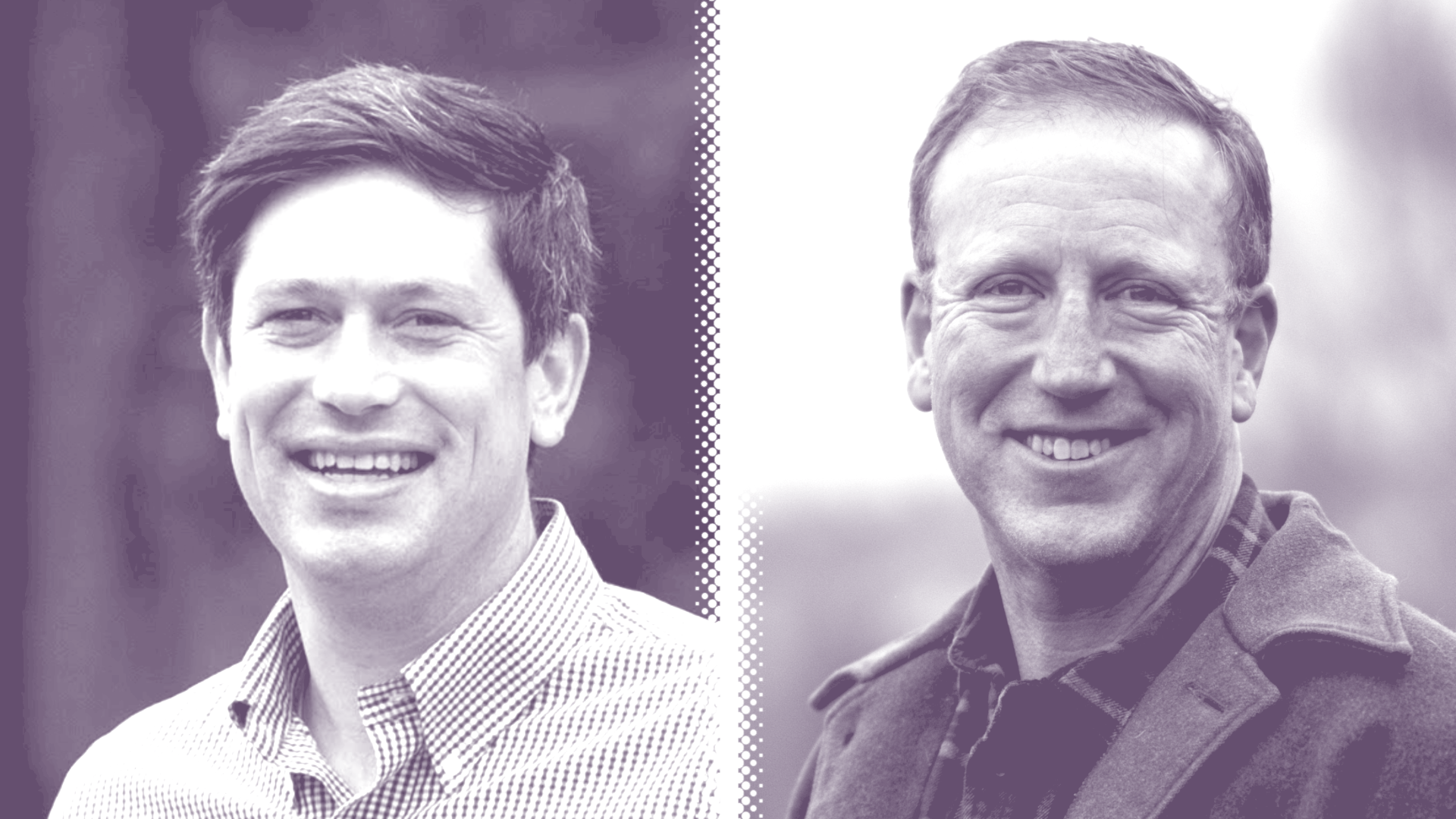
Dan Strauss (left) and Pete Hanning. Photo illustration: Axios Visuals. Photos: Courtesy of the campaigns
Voters in Seattle's District 6 will choose between a political veteran and an entrepreneur who says he's running to help the everyday resident.
Why it matters: With seven open seats on the nine-member council — and at least four seats certain to be filled by new people — the results of the Nov. 7 election could dramatically change the political direction of the city.
State of play: Incumbent Dan Strauss and challenger Pete Hanning have identified public safety, homelessness and housing as key issues facing District 6.
Catch up quick on Strauss: Before his election in 2019, he had been an aide to former city council member Sally Bagshaw and former state Sen. David Frockt as well as a policy advisor for the Alliance for Gun Responsibility.
- In his first term, Strauss worked to reopen Ballard Commons Park and other public spaces without an encampment sweep and sponsored legislation to expand protections for Seattle's working waterfront.
Catch up quick on Hanning: He owned the now-closed Red Door tavern in Fremont and has served on numerous boards, including the Fremont Neighborhood Council and the North Precinct Advisory Council.
- Hanning helped form the Seattle Restaurant Alliance and the Seattle Nightlife & Music Association and is the Fremont Chamber of Commerce executive director.
Here's a summary of the candidates' views on critical issues.
Drug laws
Earlier this year, Strauss twice voted in favor of an ordinance that allows the city attorney to prosecute people for possessing and using illegal drugs. The ordinance was defeated by a narrow margin in June but passed in September.
- Hanning told Axios he would have sponsored the bill and thinks his ability to form relationships with people of varied ideologies means he could have "made sure there were seven yay votes the first time."
Homelessness
Hanning said he's seen the success of tiny-home villages and wants the city to build more, but he thinks they should have a police presence. There's a difference, he said, between people who are struggling with homelessness and addiction, and "the criminals who prey on them."
- Strauss supports tiny-home villages and pallet shelters but said long-lasting solutions require more treatment, recovery services, and more permanently affordable housing.
Taxes
Seattle officials are projecting an annual budget hole of more than $200 million in 2025 due to a "significant slowdown in the technology sector" and high interest rates that have cooled real estate activity, according to a revenue forecast released in April.
- Strauss said he does not want to cut necessary services and does not want residents to pay more taxes. A supporter of Seattle's JumpStart tax on corporations that pay high salaries, he might support increasing the rate to address budget shortfalls.
- Hanning said that without seeing an audit, he can't accept the premise that the city has a budget deficit. He said Washington does have a regressive tax policy but that needs to be handled at the state level.
What we're hearing: Strauss thinks he's the better choice as he has "the relationships, the experience and momentum to get the city off the wrong track" and onto the right one. A newcomer would need a year to get their legs under them, he said.
- Hanning dismissed his lack of political experience and touted his experience in the real world, where budgets must be balanced for businesses to survive.
- "I bring pragmatism and honesty about what we can actually accomplish, which will help us approach the crises in our city," he said.
What's next: Ballots must be returned to a ballot drop box or postmarked by Nov. 7 to be counted.
Go deeper: A guide to the 2023 election