The Roadless Rule protects some of Utah's best loved hikes. Trump wants to end it


Add Axios as your preferred source to
see more of our stories on Google.
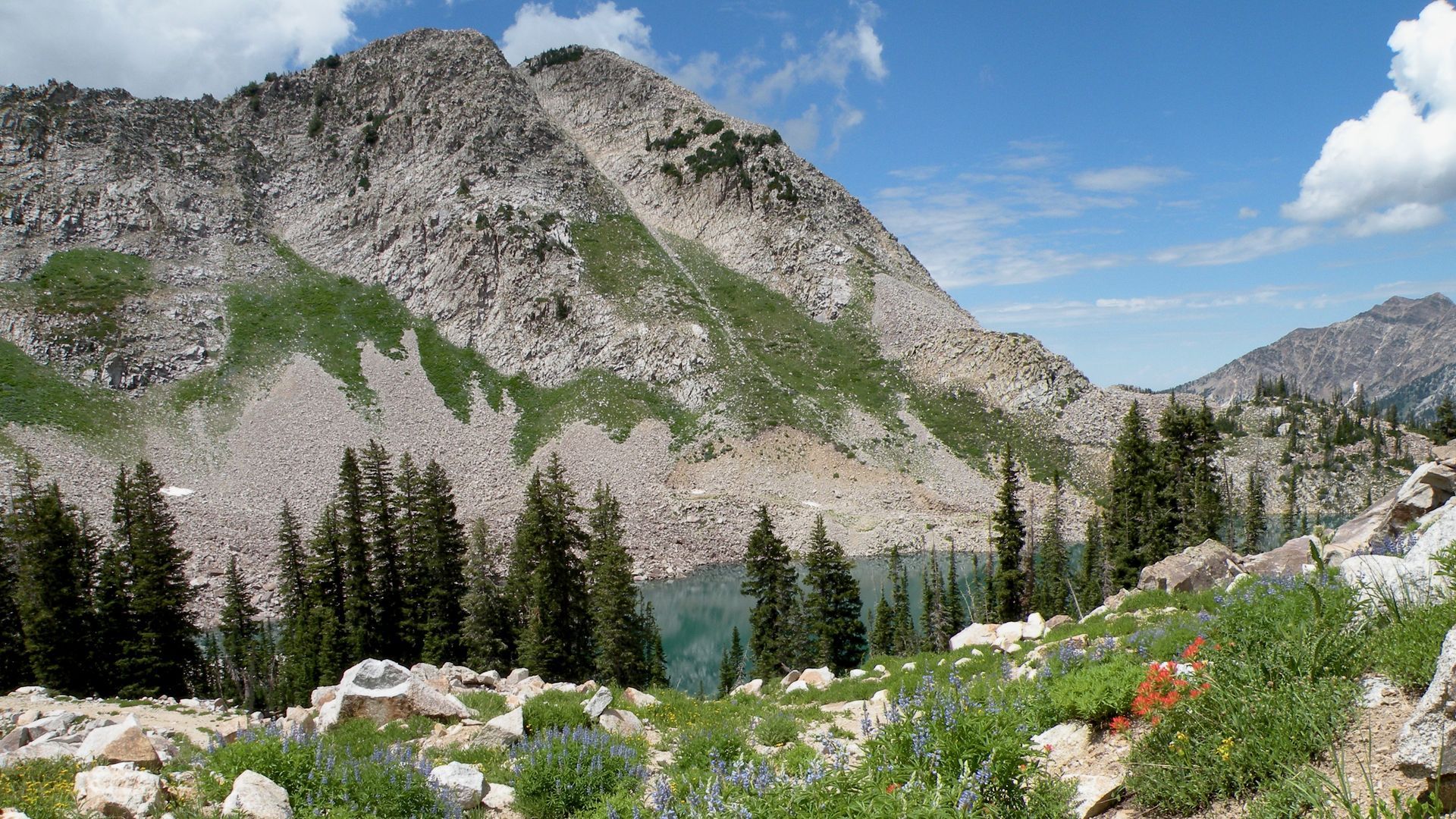
White Pine Lake in Little Cottonwood Canyon. Photo: Erin Alberty/Axios
The Trump administration has moved closer to eliminating the Roadless Rule in national forests, potentially opening vast areas in Utah to development.
Why it matters: The decades-old federal policy has protected millions of acres of wilderness from new roads and logging — to the delight of conservationists and the ire of the timber industry.
What they're saying: The Trump administration says the 2001 rule hampers wildfire prevention and firefighting, including forest thinning and insect control.
- "We've watched preventable conditions — overgrown stands, insect outbreaks and disease — turn healthy landscapes into tinderboxes," Agriculture Secretary Brooke Rollins said in a statement this month.
Reality Check: Multiple studies have shown that roads are themselves associated with increased risk of wildfires.
- The rule already allows crews to build roads in protected areas to address any "imminent threat" to public safety, including fires.
Catch up quick: The Trump administration began looking at ending the rule last year.
Driving the news: Now the formal process has begun with a new call for public comments, which can be submitted here until Sept. 21.
By the numbers: Rescinding the rule would open about 4 million acres of Utah's forests to logging and road construction — about half of the land in its national forests.
What's inside: Roadless areas include the headwaters that supply several Utah cities' drinking water, the Utah Rivers Council argues. Some watersheds are considered so sensitive that dogs and swimming also are forbidden.
Zoom in: Some of the most popular trails in the Wasatch are in protected Roadless areas, including:
- Elbow Fork and Dog Lake in Millcreek Canyon.
- The Wasatch Crest Trail and Desolation Lake above Big Cottonwood.
- Both White Pine Lake trails — in Little Cottonwood and near Logan Canyon.
The other side: Travis Joseph, president of the timber industry group American Forest Resource Council, said wilderness areas have changed in ways "that few anticipated when the Roadless Rule was adopted."
- "We should continue to adapt and learn from failed policies to meet the moment, not continue to cling to positions and ideas that don't serve the public's interest," he said in a statement.