Salt Lake City tightens short-term rental requirements

Add Axios as your preferred source to
see more of our stories on Google.
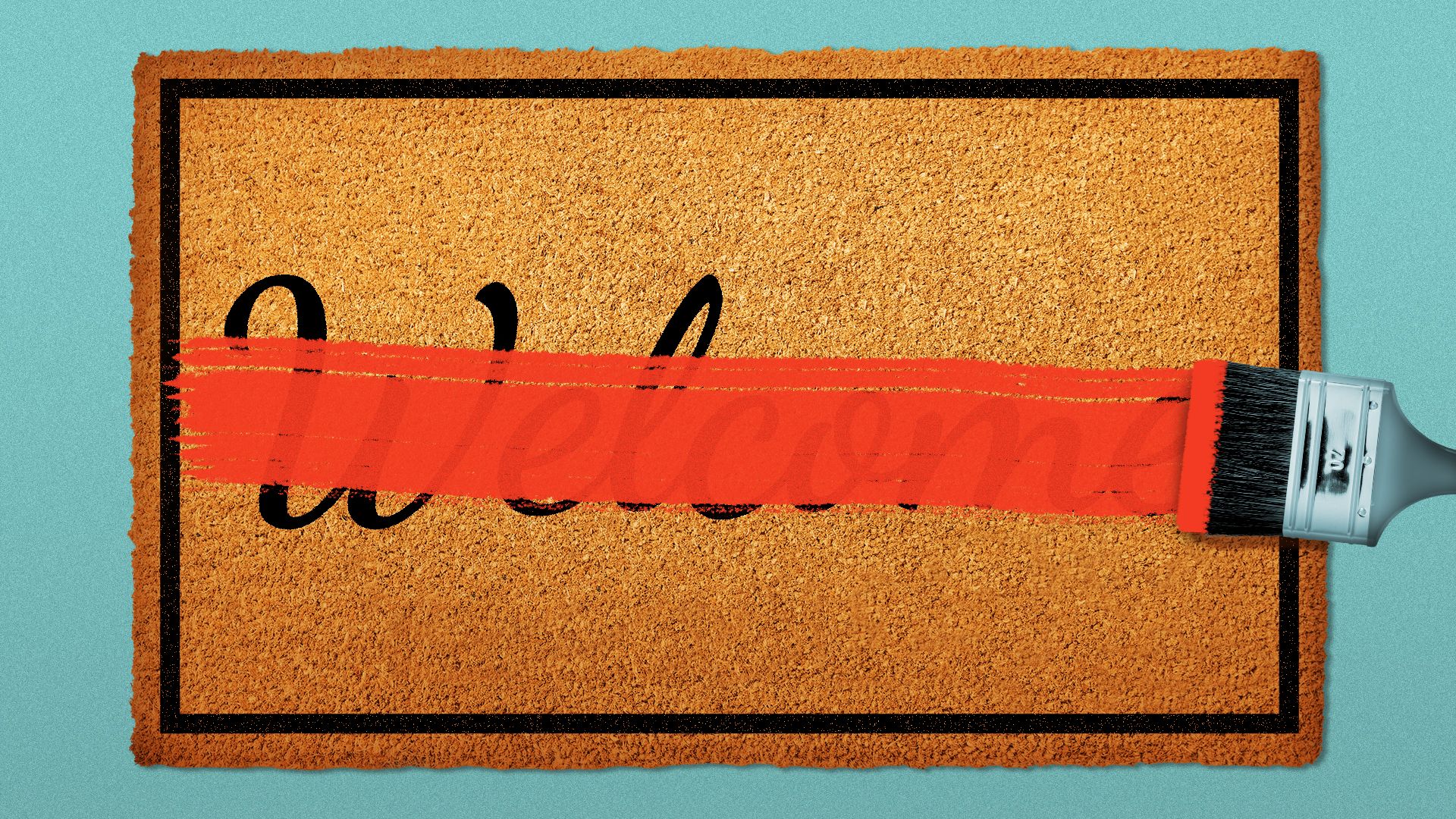
Illustration: Shoshana Gordon/Axios
Beginning July 1, Salt Lake City will start requiring business licenses for short-term rentals listed on Airbnb, Vrbo and other similar platforms.
Why it matters: The enhanced regulations will improve safety and reduce nuisances, city leaders say.
State of play: Under the new ordinance, short-term rentals must be booked for a minimum of two nights, cannot be occupied for more than 200 nights per year, and must provide at least one off-street parking space.
- Buildings with 10 or fewer units are limited to one license per building, while buildings with more than 10 units can only offer up to 10% of units as short-term rentals.
- A local designee must be available and respond within two hours if contacted by the city about an issue with the rental.
Between the lines: One-night bookings will no longer be allowed to discourage house parties and reduce noise complaints, SLC director of finance operations Arturo Garcia told the Salt Lake Tribune.
By the numbers: The annual license fee is $198, with an additional $342 for each unit.
- If short-term rental owners are caught operating without one, they could face a $1,000 fine every seven days.
The big picture: The stricter regulations come as cities across the U.S. grapple with how to regulate short-term rentals while preserving housing supply.
- Between 2021 and 2023, short-term rentals ballooned by almost 40% statewide, according to figures from the University of Utah's Kem C. Gardner Policy Institute.
- Salt Lake County had nearly 5,000 short-term rental units in 2023, accounting for 1.1% of the county's housing stock.
What we're watching: The changes are restrictive enough that they could force some short-term rental owners out of the market entirely.