Meet James Beckwourth, the Black mountain man long ignored by history

Add Axios as your preferred source to
see more of our stories on Google.
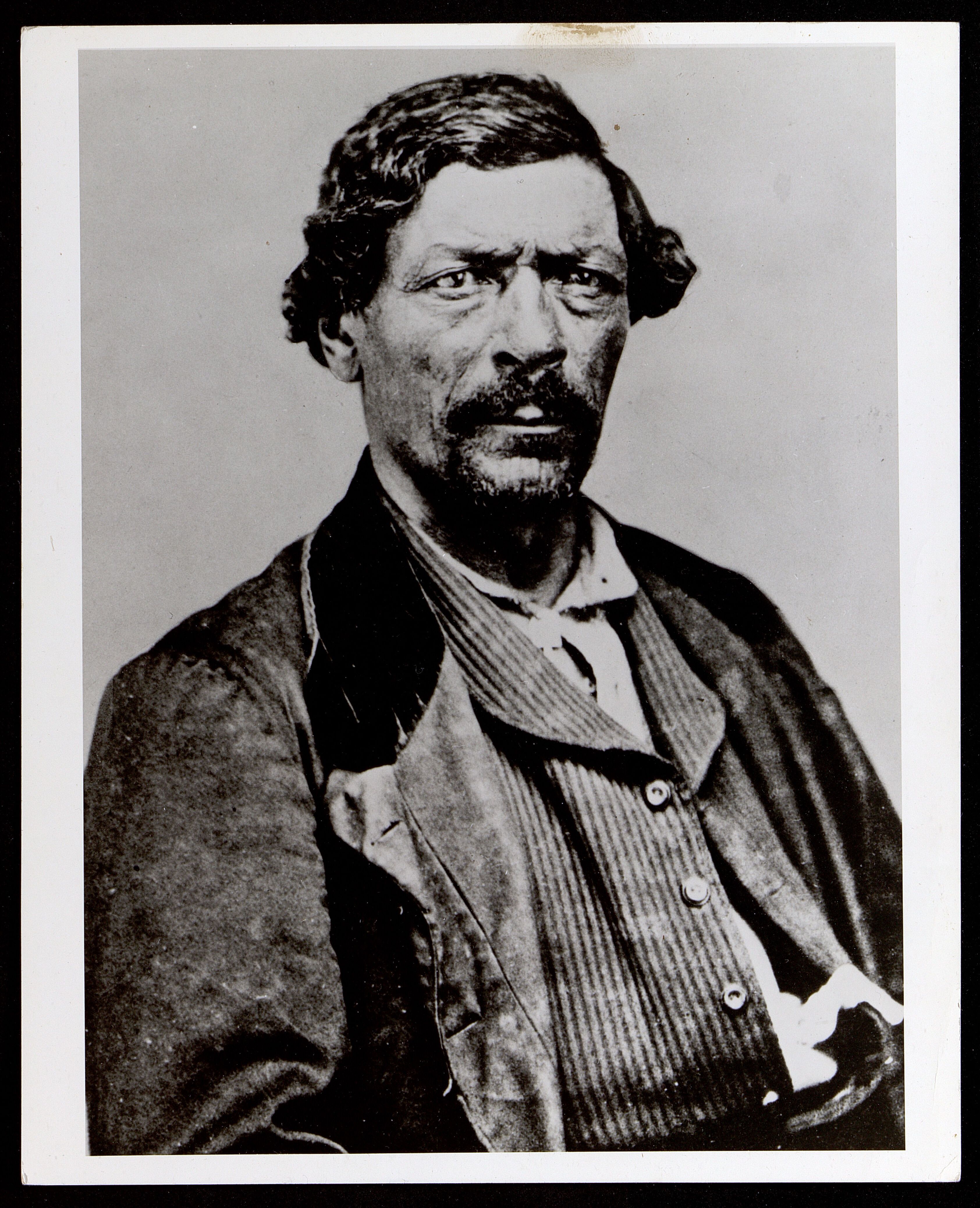
The first Black person known to set foot in Utah was a mountain man whose gift for telling stories almost erased his own.
- This is Old News, our weekly rendezvous around Utah's past.
Why it matters: James Beckwourth poses a cutting case study of whose memories get believed — an important question to explore as Black History Month draws to a close.
The big picture: Beckwourth was one of a handful of Black explorers and trappers who roamed the Mountain West in the early and mid-1800s, sharing campfires with the likes of Jim Bridger and Kit Carson.
- It was around those campfires that his reputation as a great storyteller — and as the "champion of all Western liars" — was born.
Yes, but: Only a fraction of Beckwourth's stories needed to be true for him to be an awe-striking historical figure.
- Born into slavery around 1800 in Virginia, Beckwourth later joined the early corporate fur trapping expeditions in the Rocky Mountains. He was part of the famous first rendezvous at the Green River in 1825 before making his way to the Great Salt Lake.
- He traded horses with the renowned Ute Chief Walkara, and lived for years with the Crow people in Montana and Wyoming. Journalist T.D. Bonner, who ghost-wrote Beckwourth's autobiography, said his understanding of the West's Indigenous people had "never been surpassed" by another outsider.
- He identified the Sierra Nevada's lowest pass, facilitating the migration of thousands of settlers into California's Central Valley. He became a professional card player, ran the best saloon in Santa Fe and founded the trading post that became Pueblo, Colorado.
The other side: His autobiography is full of wild stories that are directly contradicted by other accounts and evidence.
- The book was panned by contemporary critics and later historians, who roundly derided the stories of Black mountain men as mendacity at worst and minstrelesque at best — "comic relief in the histories of other men," as historian Elinor Wilson wrote.
Between the lines: By contrast, white mountain men's tall tales were indulged as earned mythology.
- "Historians have enshrined White 'mountain men' like Kit Carson, Thomas Fitzpatrick and William Sublette in American folklore, but not so with Beckwourth," wrote Emerson College professor Roger House. "Because of racism, writers disparaged his feats and ridiculed his name."
The bottom line: Beckwourth's less-reliable tales likely were an extension of the oral tradition in which he spent decades immersed on the frontier.
- "To be a gifted liar was as much a part of mountain honor as hard drinking or straight shooting," wrote historian Dale Morgan. "Embroider your adventures, convert to your uses any handy odyssey, and spin it all out in the fire light, the only sin the sin of being dull."