How Utah plans to assist in Trump's mass deportation efforts

Add Axios as your preferred source to
see more of our stories on Google.
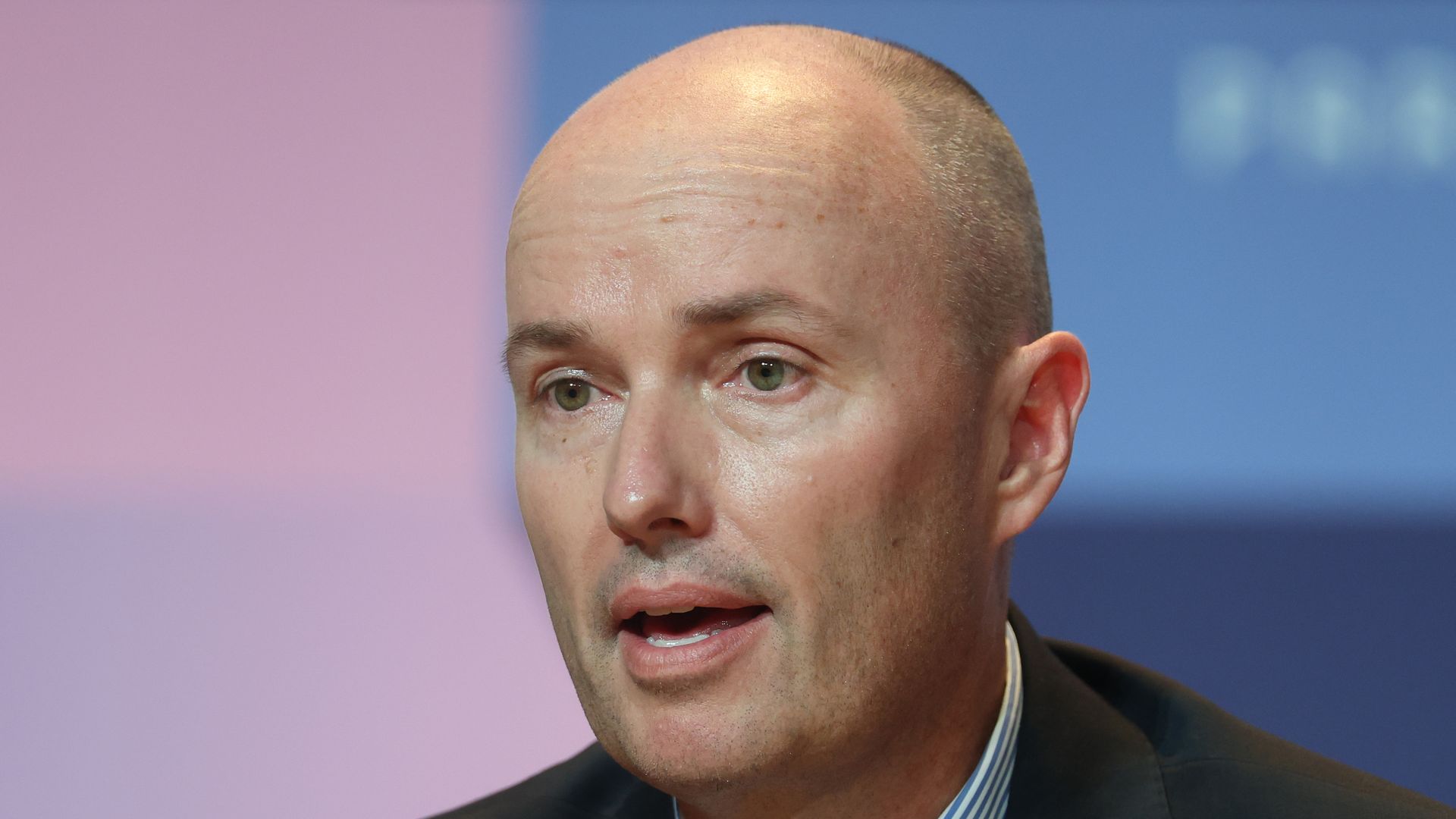
Utah Gov. Spencer Cox. Photo: Michael Reaves/Getty Images
Utah Gov. Spencer Cox announced a "targeted effort" Tuesday to aid President-elect Trump's vow to deport large numbers of immigrants who are in the country illegally.
Why it matters: Civil rights advocates say the measures could lead to a rise in discriminatory practices in policing.
State of play: Utah's public safety and corrections departments will coordinate with federal, state and local agencies to identify and deport undocumented immigrants "who have committed crimes and pose a threat to public safety," according to the Cox administration.
Between the lines: ACLU of Utah spokesperson Aaron Welcher told Axios the measure promotes unnecessary, complicated and costly collaboration between local law enforcement and federal immigration authorities.
- "We see this being really an incentive for arrests from local police stations and other sheriff departments to just find people who 'don't look American,'" he said. "That typically ends up coming out in racial profiling of black and brown individuals in Utah, or profiling of people who just don't speak English."
The big picture: Trump has called for military force to help carry out the largest deportation operation in U.S. history, but that would require the assistance of local and state authorities.
- An estimated 11 million undocumented immigrants live in the country.
- The construction, agriculture and hospitality sectors are expected to be the most impacted by the deportations as they contain the largest shares of undocumented workers, per a 2022 analysis.
Zoom in: Here are some details from Utah's strategy:
- Determine additional intervention points to identify which people who have committed crimes are undocumented.
- Develop more training and guidance to help local and state authorities determine undocumented immigrants who should be sent to Immigration and Customs Enforcement.
- Work with the state's new Fentanyl Task Force on "long-term solutions" for people linked to the distribution of fentanyl.
- Work with state lawmakers to craft policies related to "criminal behavior by illegal immigrants."
What they're saying: "Utah will continue to welcome refugees and immigrants who enter the country lawfully, and we will continue pushing for reforms to the asylum process and for more visas to support our workforce needs," Cox said Tuesday in a statement. "We have zero tolerance, however, for those who demonstrate a threat to public safety while in the country illegally."
- "Criminal organizations like the Sinaloa and Jalisco [cartels] need to be held accountable for drug and human trafficking, including facilitating the return of previously deported felons," said Utah's Commissioner of Public Safety Jess Anderson.
- A spokesperson for the governor's office did not respond to Axios' inquiry on the number of undocumented immigrants the state planned to assist in deporting.
In a statement to Axios, Andrew Wittenberg, spokesperson for the Salt Lake City mayor's office, said the city is" reviewing the details of the state's new plan and evaluating its potential impacts on the city's public safety resources."
Catch up quick: Immigration was a major issue in Utah's gubernatorial race.
- Cox has previously expressed frustration at the Biden administration's response to the record number of migrants crossing the U.S.-Mexico border.
- He's also linked the influx of migrants to the spread of fentanyl in downtown Salt Lake City, a claim Mayor Erin Mendenhall refuted.
Reality check: Most drugs are trafficked into the U.S. by U.S. citizens, per the Cato Institute.
Editor's note: This story has been updated with new information throughout.