Q&A with Utah political newcomer Doug Quezada on Latino voters

Add Axios as your preferred source to
see more of our stories on Google.
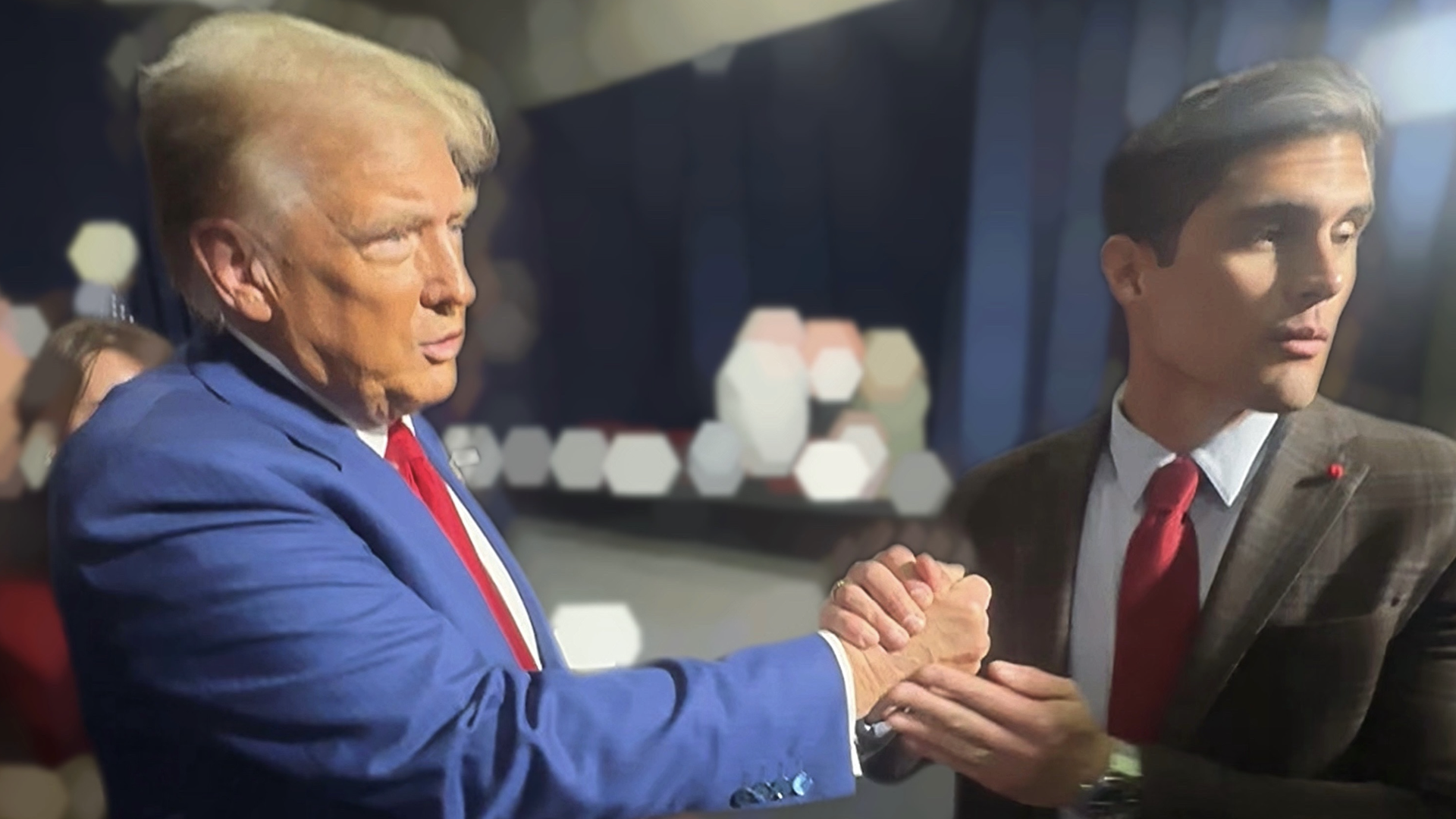
Former President Trump (left) and Doug Quezada at an Arizona rally. Courtesy: Doug Quezada
Rising politico Doug Quezada is making headway in the Utah GOP as an orchestrator of the Latter-day Saints for Trump coalition and co-organizer of a recent Park City fundraiser for the former president.
Why it matters: Quezada's emergence also highlights a rising trend within the Republican Party, as he represents a growing segment of Hispanic men voting for Trump.
Axios Salt Lake City interviewed Quezada, a first-generation Chilean American currently considered among the most prominent Latino voices in the state GOP, over the phone about Latino political outreach, why he's backing Trump, and the Madison Square Garden debacle.
- Some responses have been edited for length and clarity.
Do you feel like the Republican or Democratic Party does enough to reach out to Latinos in Utah?
"I think Democrats wrote the playbook when it came to Latino outreach. They were the party for the longest time that was giving us attention and giving us a nod and paying us lip service.
Without there having to be much of an outreach effort, we're naturally gravitating to the Republican Party.
Republicans, this election cycle, have very much caught on to the fact that we are without a home. We are looking for a place to land as a community."
What are the top three policy issues that are driving you to support former President Trump?
1. Abortion: "We are family-oriented, and abortion is not very popular within the Hispanic community."
- Reality check: Numerous polls have shown a majority of Latinos do not support abortion bans and are in favor of families, not the government, making decisions about reproductive care.
2. The economy: "If the economy isn't doing well, we're all suffering."
3. Immigration: "We want to see the system fixed. There are a lot of great people in Latin America that have many incredible talents and skills that we need in this country."
- Zoom out: About 75% of U.S. Latinos say the rise of migrants entering the U.S. through the southern border is a major problem or crisis, per a Pew Research Poll released in March.
- Locally, Republican leaders have linked the spread of fentanyl to the U.S.-Mexico border and migration crisis, calling for harsh immigration enforcement.
Puerto Rican activists are protesting Trump's October Madison Square Garden rally. What's your takeaway from it?
- "As long as they're not calling us Latinx, I'm not offended."
The big picture: Mike Madrid, a Latino voter trends expert and co-founder of The Lincoln Project, an anti-Trump super PAC, told Axios there's little evidence to suggest Latinos are becoming more conservative, but rather are embracing populism, rejecting both major political parties, and backing more populist candidates like Trump.
- "U.S.-born, non-college-educated men under 30 is where the movement is really happening," he noted.
- "This assimilation that's happening is the emergence of these younger under 30 voters who are very very different than their parents and certainly their grandparents," Madrid said.
What we're watching: As Utah's Hispanic population soars, Latinos are slowly making inroads in the state's political arena.
- Whether the momentum lasts remains to be seen.