"SLC Punk!" keeps local lore alive 25 years later

Add Axios as your preferred source to
see more of our stories on Google.
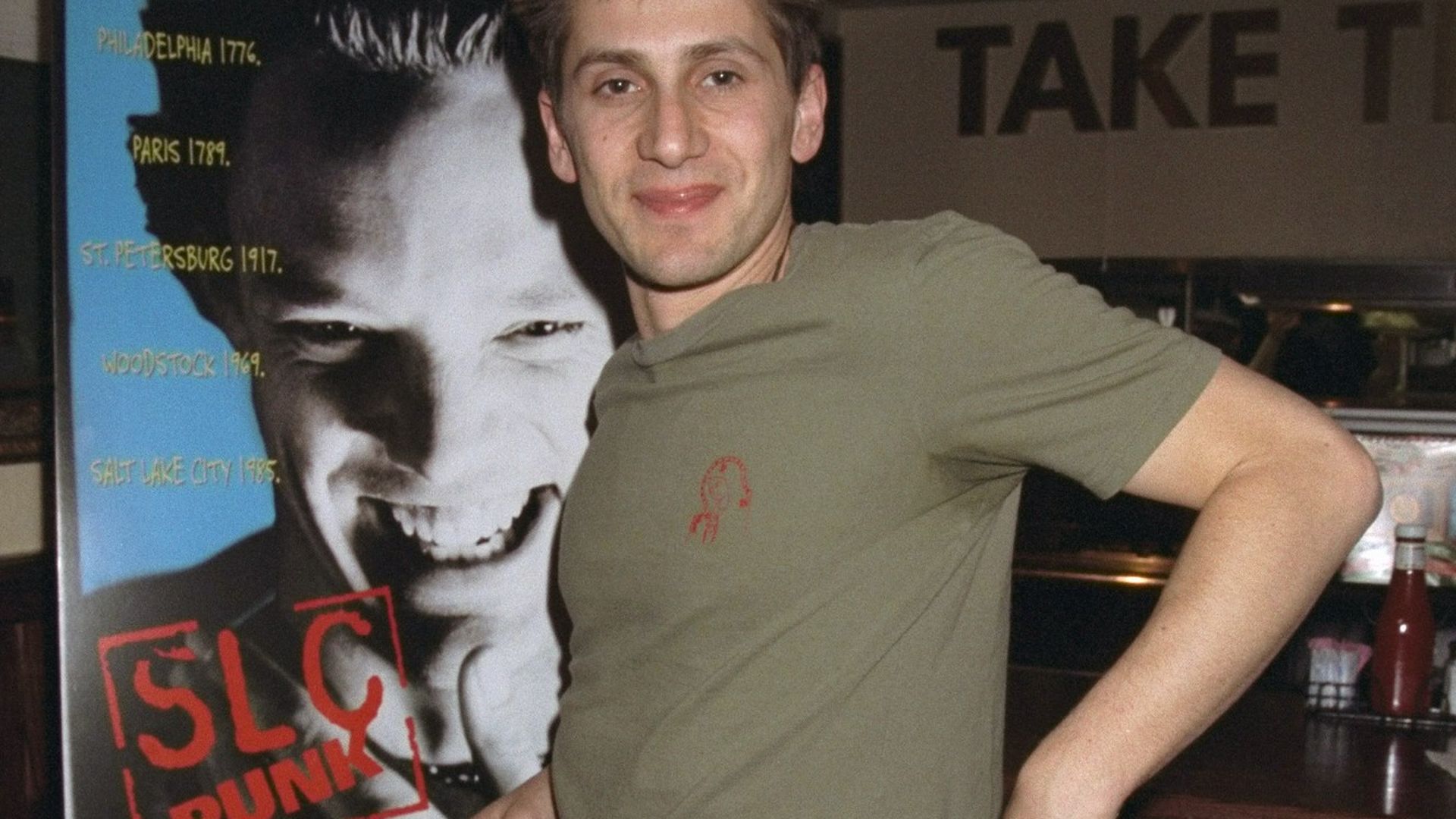
Actor Michael Goorjian stands next to the movie poster for "SLC Punk!" in 1999. Photo: Richard Corkery/NY Daily News Archive via Getty Images
"SLC Punk!" put our fair city's counterculture on the map 25 years ago this week, when the angsty comedy was released nationally in theaters.
Flashback: Come with us to 1999 to see how time has treated the cult classic that taught the world you can't sink a car in the Great Salt Lake.
Did we like it?
Back then: Director, writer and Judge Memorial Catholic High School graduate James Merendino earned decent reviews for his Sundance and Cannes debut about local deadbeats nursing their ennui with drugs, fisticuffs and Manic Panic.
- Even the Provo Daily Herald sweetly recommended it "despite regular use of the F-word" to help Utahns "understand that people are people," even punks.
Yes, but: Variety complained the movie was too polished for any punk cred.
Nowadays: It's required viewing if you live here, so liking it is beside the point.
- But we do! Matthew Lillard's performance holds up, and the movie strikes a nice balance between affection for and skepticism of punk, and teen rebellion in general.
Reality check
Back then: The punks of 1999 thought it misrepresented their scene, Merendino told City Weekly in 2013.
- "I know I made quite a few people angry with that film," he said.
Yes, but: Merendino was himself an SLC punk in the '80s, when the semi-autobiographical film is set. He went to shows at the Indian Center — a once-legendary punk venue that still stands as an Indigenous resource center — and got in fights there, as depicted in the movie.
- Real Utahns — like Sean Fightmaster, a beloved fixture in Utah's early punk scene — inspired the characters.
- For years, fans sought the people avatar'd in the film, including women who inspired the sexy, wise Trish and the (nonexistent) grave of a character who dies.
Nowadays: Misfit locals will relate to the regional layers of conservatism in a scene that got big laughs at the '99 Sundance screening.
- "In this complex world of fascism that was Utah state policy, we had only one choice if we wanted real beer: Wyoming," the main character Stevo says as his mohawked "tribe" leaves Mormon Utah on I-80, only to be chased out of Evanston by gun-wielding Christian fundamentalist preppers.
On location
"How the Mormon settlers looked upon this valley and felt that it was the promised land is beyond me," Stevo muses in a voiceover. "Maybe it looked different back then."
- Let's see whether it looks different 25 years after the movie's release.
State liquor store, 205 W. 400 South
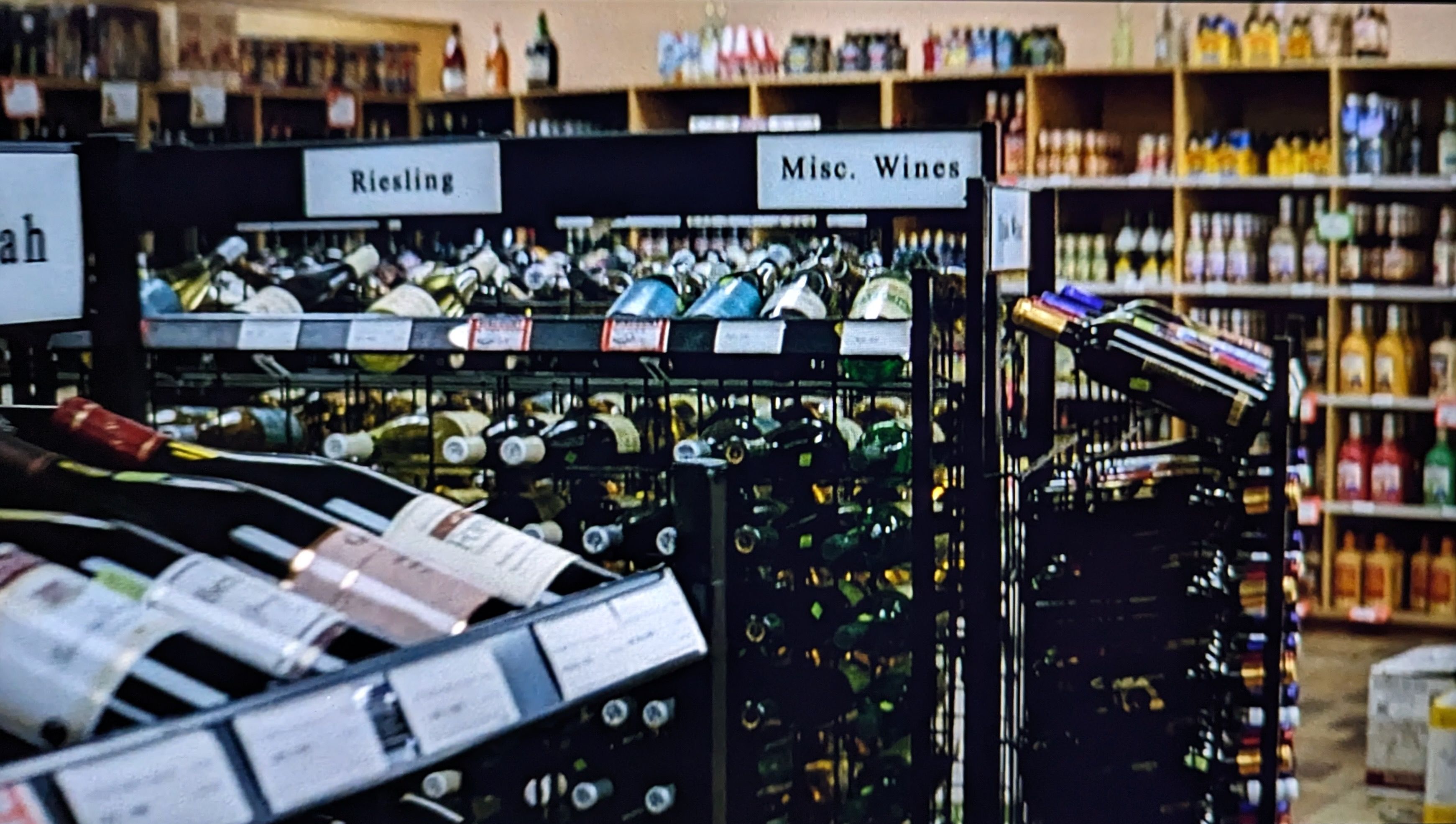
Same building. Same shelves. Same overhead lights. And the Print Shop-ish wine varietal signs remained for at least another 20 years.
Market Street
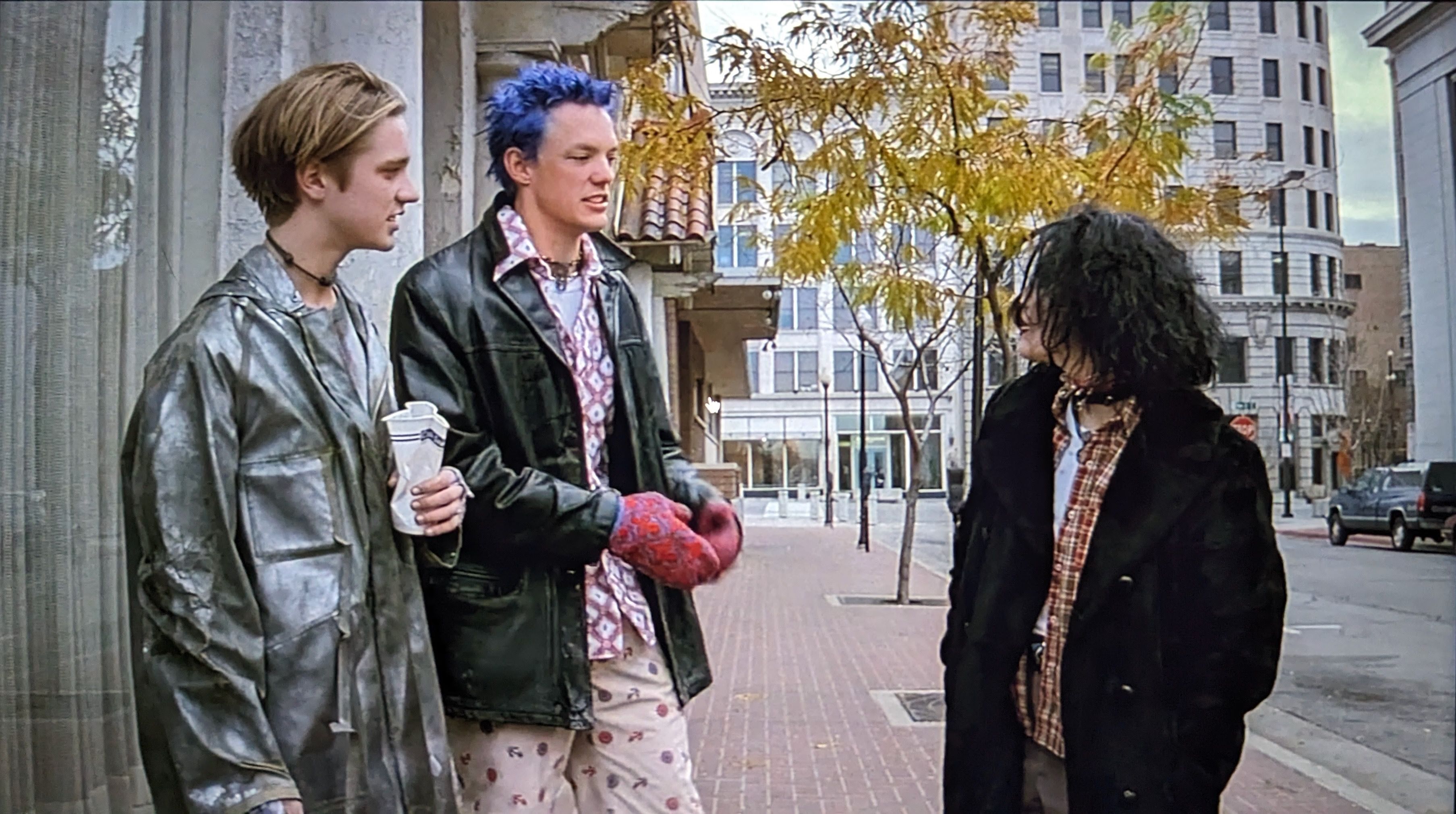
Mostly the same, apart from the Odd Fellows Hall, which was moved into the parking lot for historic preservation in 2009.
200 E. Broadway
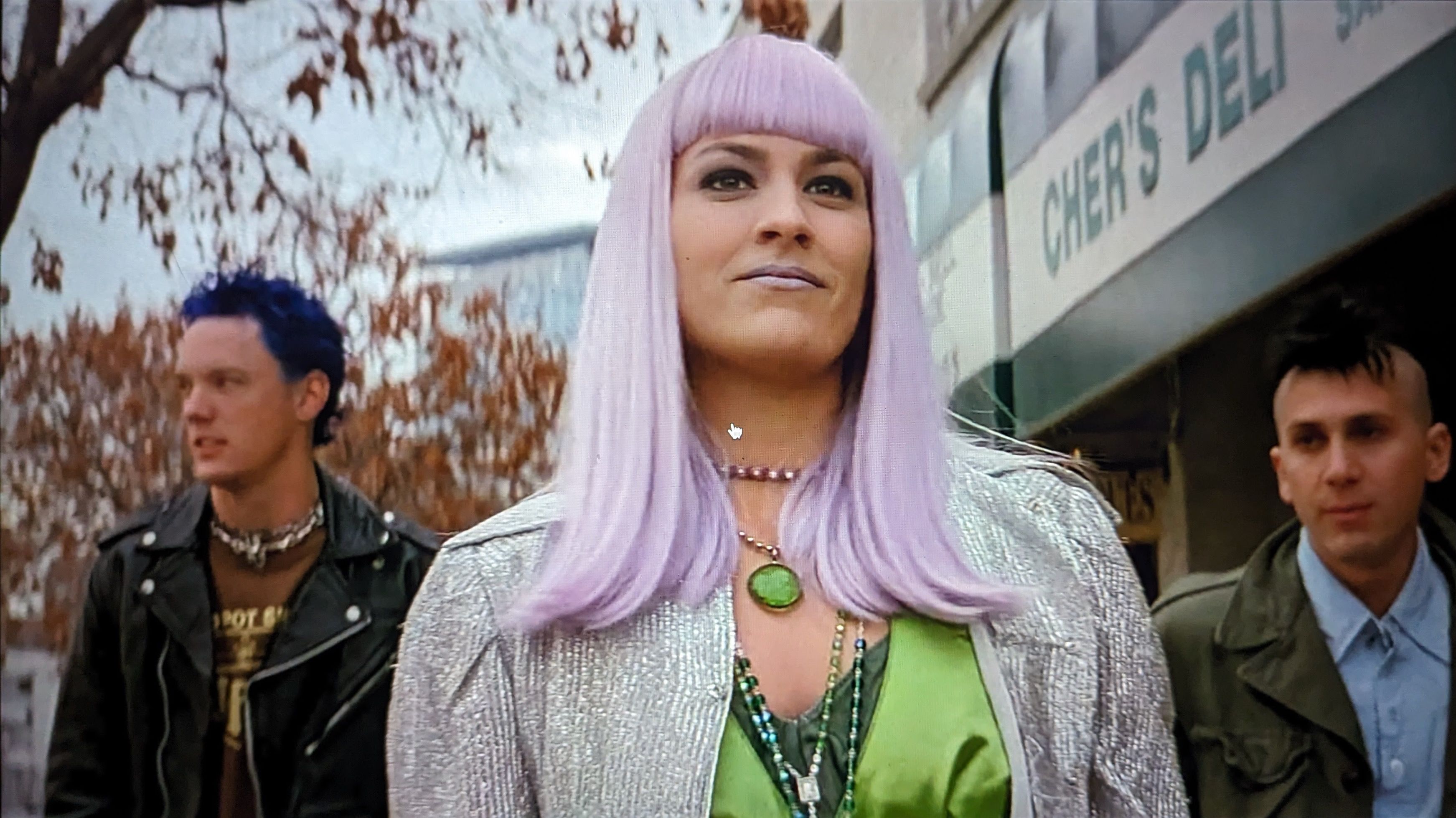
Trish's head shop, Gaia, was a real store on 300 South, in a spot now occupied by City Barbers.
Yes, but: The rest of the streetscape is transformed, with the 31-story Worthington Tower replacing the other nearby shops. Only Henries Dry Cleaners remains.
Stevo and Heroin Bob's apartment
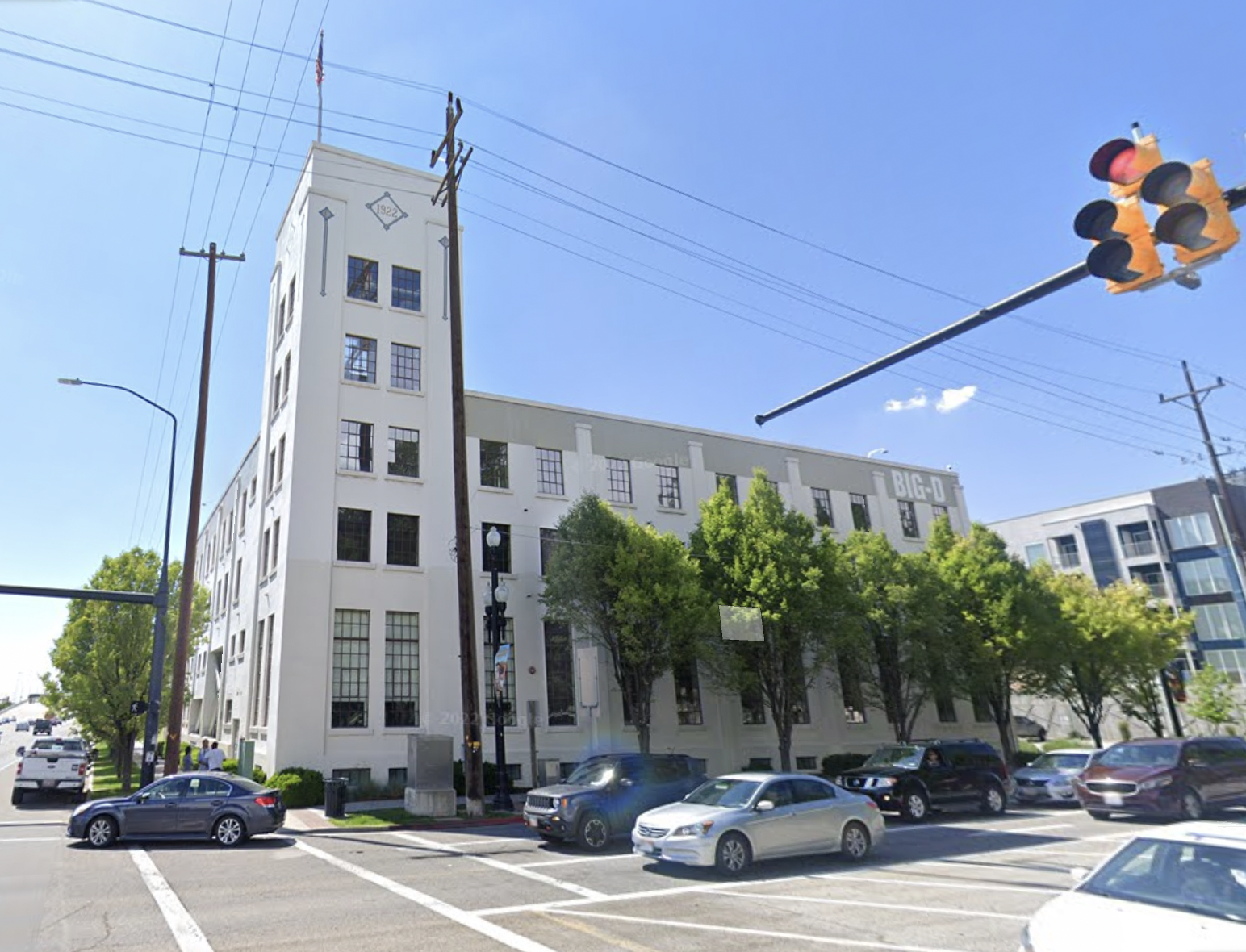
The building still stands, in all its industrial glory!
- It's the old Big D Construction location at 400 West 400 South — not a place where jobless punks could afford a tower apartment these days.
Yes, but: The 400 South trainyard overpass previously extended over 400 West, giving the whole Pioneer Park neighborhood that under-the-bridge-downtown vibe in the movie.
Cottonwood Mall
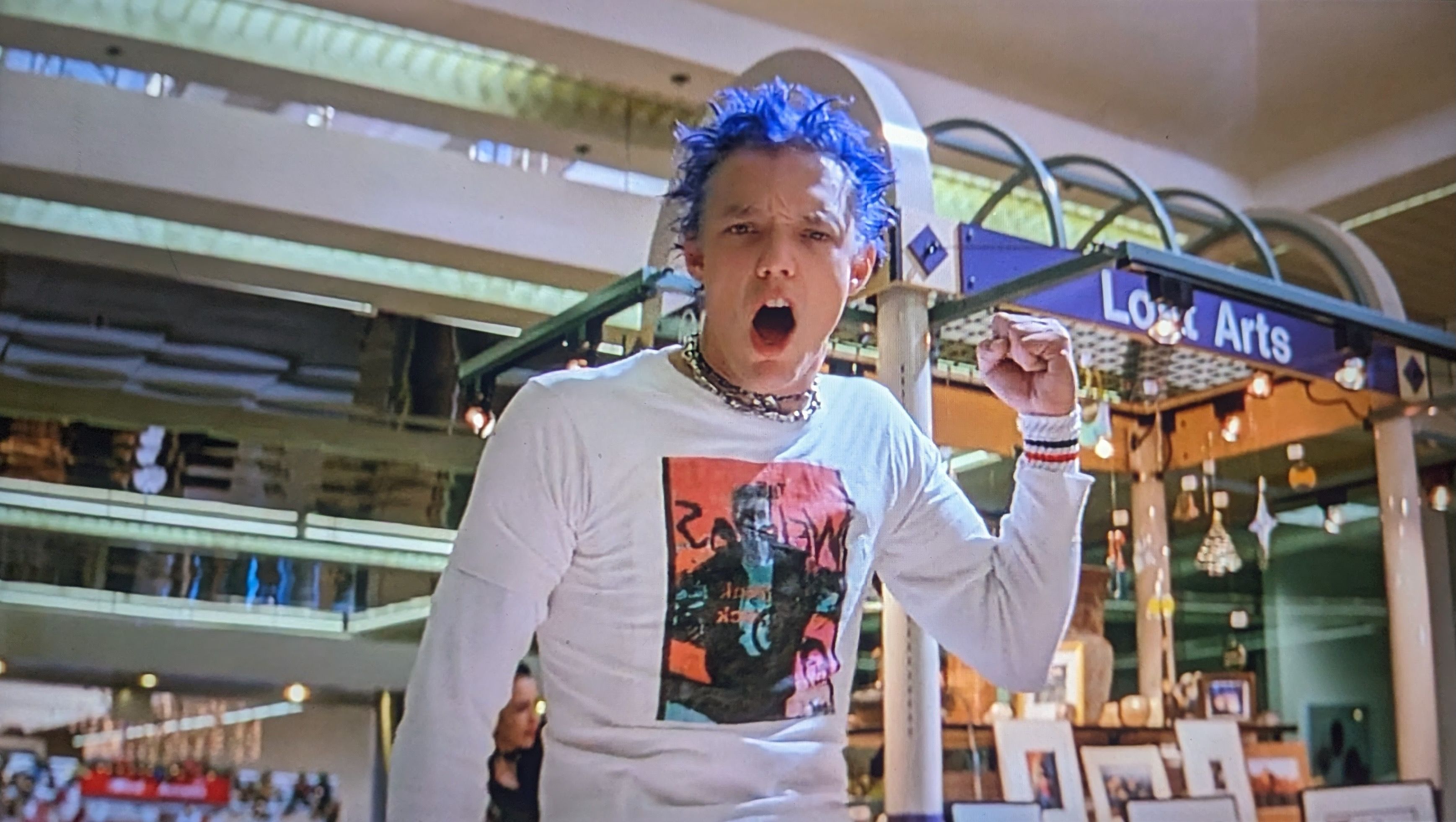
Torn down in 2008, the lot near 4800 S. Highland Dr. is gradually filling back in with other buildings.
The mystery
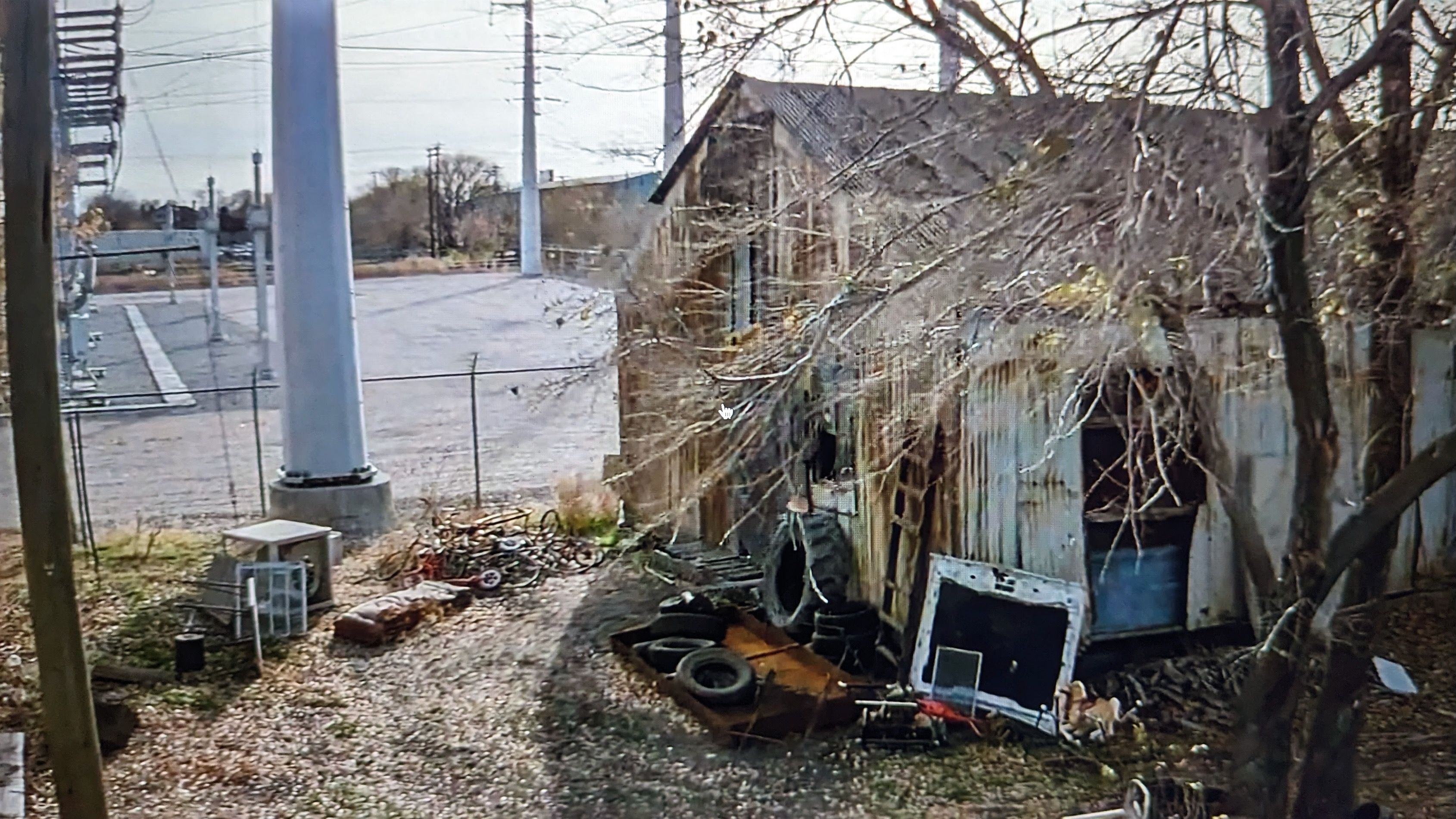
Bob's dad's tin house by a substation is one of the film's best sets — and we can't find it.
Tell us: If you can identify the substation, we'll send you some swag. Email us at [email protected].