Toyota's North Carolina battery plant is getting even bigger

Add Axios as your preferred source to
see more of our stories on Google.
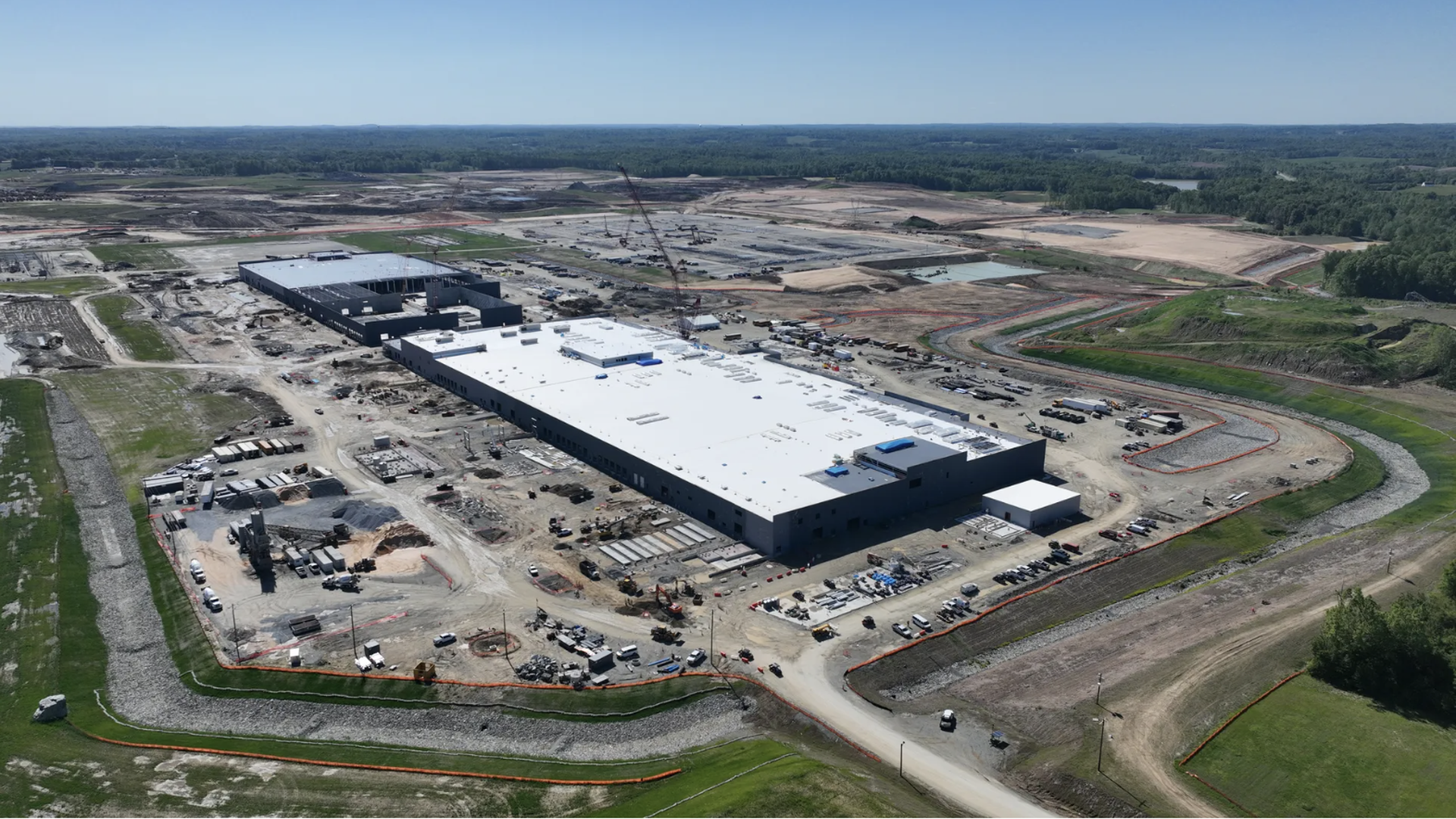
Toyota's under-construction battery plant in Liberty, N.C. Photo courtesy of Toyota
Toyota's investment in North Carolina just got significantly bigger.
Driving the news: The Japanese auto maker said Tuesday that it will invest an additional $8 billion into its electric vehicle battery plant in Liberty, 60 miles west of Raleigh.
- The investment would create 3,000 additional jobs at the plant.
Why it matters: The Toyota plant is one of the largest economic development projects in the state's history.
- The plant, which was originally announced in late 2021, could now represent a nearly $14 billion investment from Toyota and create around 5,000 jobs.
Zoom out: The auto industry as a whole is investing heavily into EV infrastructure.
- Toyota has represented the state's biggest win in the contest to land jobs related to electric vehicles, along with an EV plant from the Vietnamese car company VinFast.
- Just last week, the Indian battery maker Epsilon Advanced Materials said it would invest $650 million into a factory near Wilmington.
Details: The batteries made in North Carolina will be used in its new large, electric SUV, hybrids and other EVs.
- Toyota is expected to have electric options for its cars in 2025 — the same year the North Carolina plant should open.
- North Carolina has so far awarded the company more than $400 million in incentives if the company meets hiring and investment goals by 2029.
- An additional $225 million in incentives is available if Toyota boosts its hiring plans to 4,500 employees.
What they're saying: "Through the last few years of building relationships, including my most recent trip to Tokyo ... our partnership with Toyota has become stronger than ever, culminating in this historic announcement," N.C. Gov. Roy Cooper said in a statement.
- "North Carolina's transition to a clean energy economy is bringing better paying jobs that will support our families and communities for decades to come."