Meet the new group protecting Portland's west side water

Add Axios as your preferred source to
see more of our stories on Google.
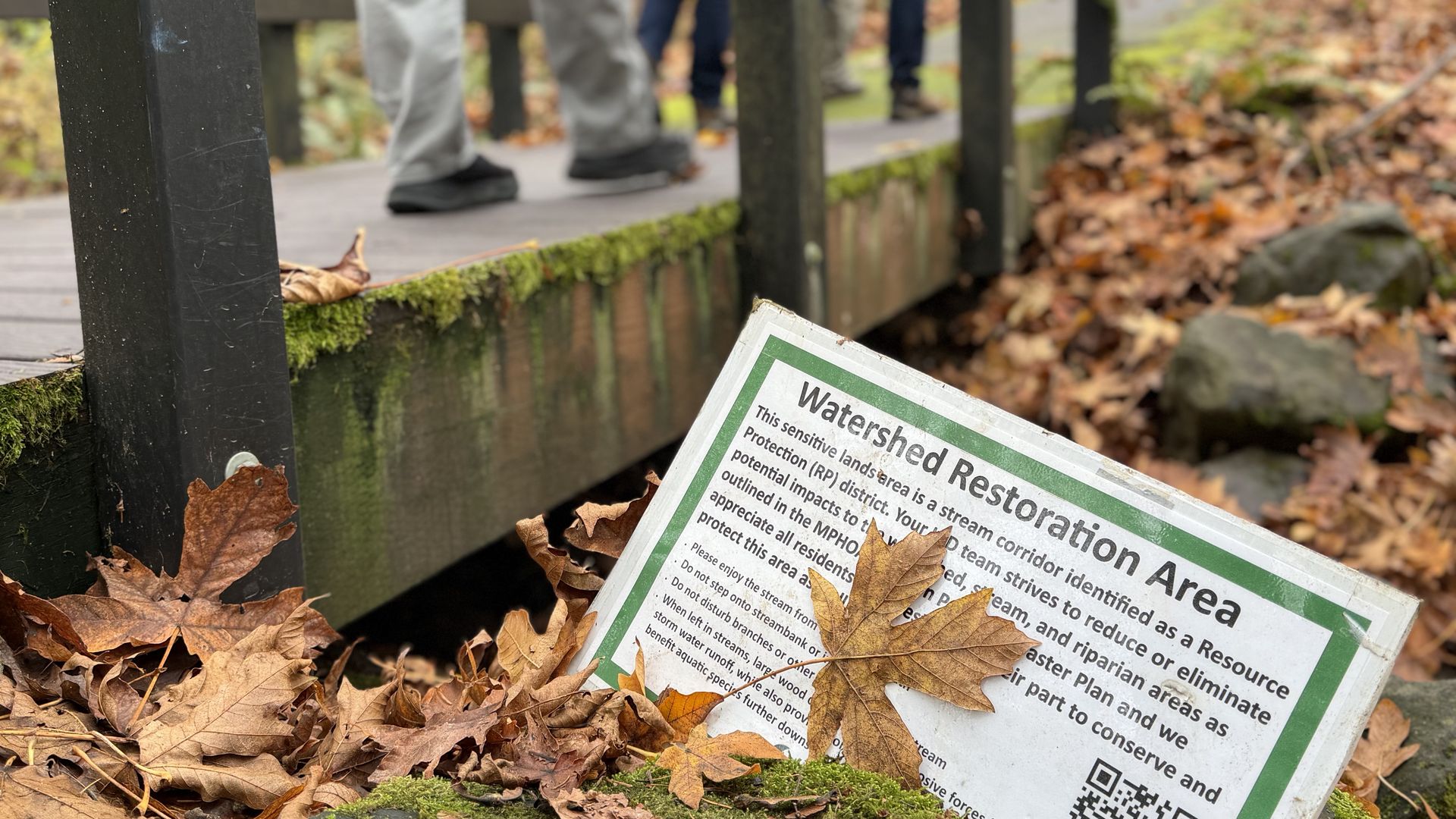
Watershed councils have been quietly looking out for environmental health in Oregon for decades. Photo: Kale Williams/Axios
Portland is getting a new watershed council, and if you're asking yourself what the heck a watershed council is, you've come to the right place.
Why it matters: Watershed councils are community-led organizations that offer technical expertise and partnership to make our creeks, streams and rivers healthier.
- About 97% of the state is served by one of these councils, but the west side of the Willamette in Portland has never had one. That changes on Jan. 1.
Driving the news: The West Willamette Watersheds Council, known as W3, will combine previously existing councils for Oswego Lake and Tryon Creek.
By the numbers: The W3 will cover 88 square miles of land and 42 miles of the Willamette, from Wilsonville to Forest Park, expanding the previous coverage area by 500%.
- The new council will also cover 300 miles of waterways across 50 creeks and streams that feed into the Willamette on the west side.
How it works: The new council aims to restore salmon habitat, as well as address urban heat and wildfire risks by connecting residents with education, workers and funding across a sprawling stretch of the Portland metro area.
- Much of that work doesn't just benefit fish, Alexis Barton-Castro, co-director of the W3, told Axios.
- "A lot of what works for salmon works for people, too," she said.
Case in point: During a walking tour of Mary S. Young Park in West Linn, Barton-Castro pointed out some of the recent work the area's watershed council had been involved in.
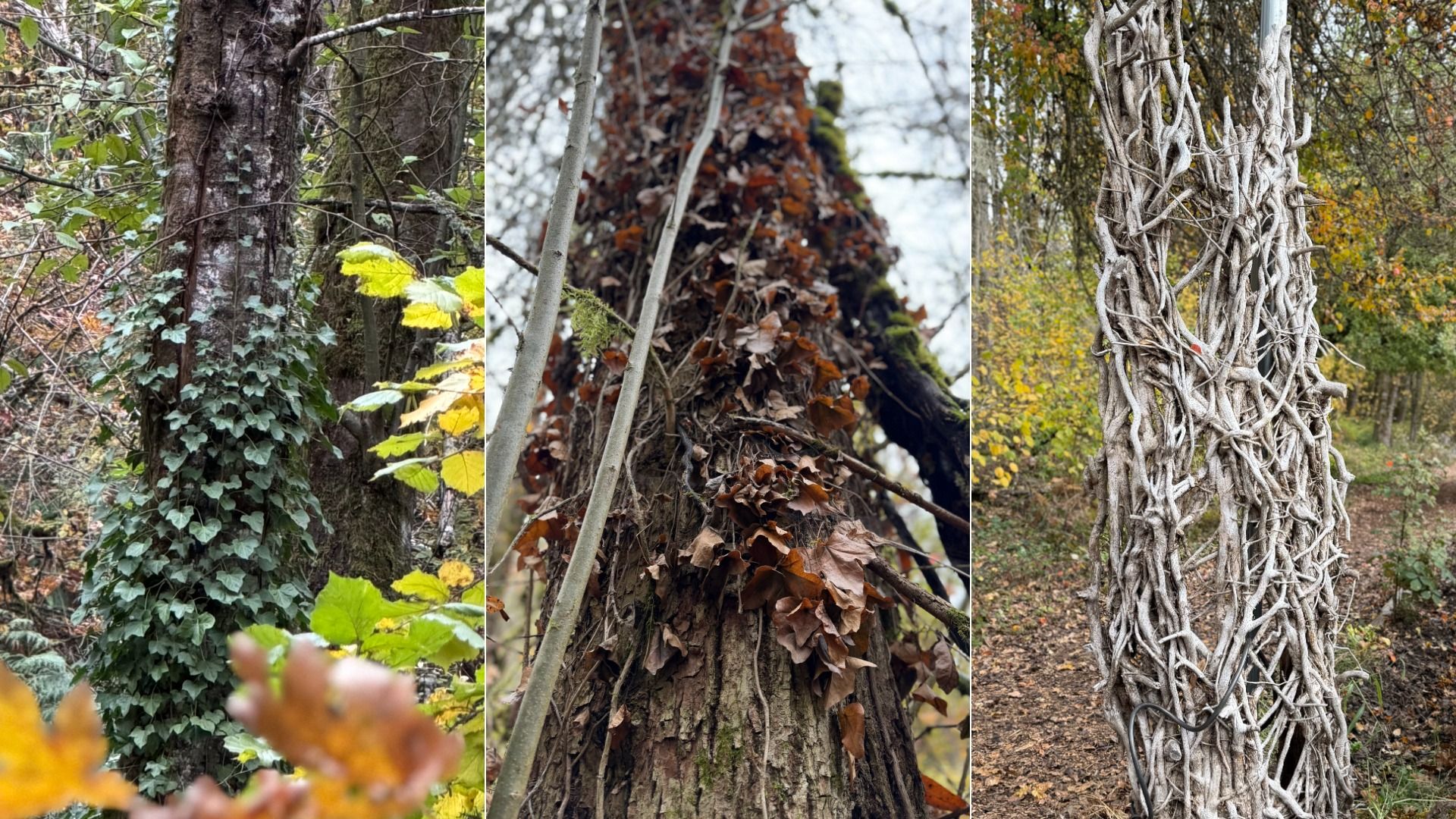
- Trees in the park had been overtaken by invasive English ivy, which can weaken trees and make them more prone to falling in strong winds.
- Workers had cut back the ivy in several places, giving the trees a better chance to stay in place, which then shades a nearby creek to keep water temps low and prevent erosion.
- And the W3 is actively seeking volunteers if you want to get involved.
Context: Watershed councils don't have any regulatory authority — they can't make or enforce rules or laws — and they're funded through small donations, government grants and business sponsorships.
- They also must work across city and county boundaries and with public and private landowners, often requiring negotiation and compromise.
The bottom line: The work has never been more important, though, said Jack Halsey, co-director of the W3, as climate change and habitat loss increase threats to our rivers and streams.
- "We're focused on making water clean and safe, and making communities healthy."