Grant gets tribes closer to otter reintroduction in Oregon

Add Axios as your preferred source to
see more of our stories on Google.
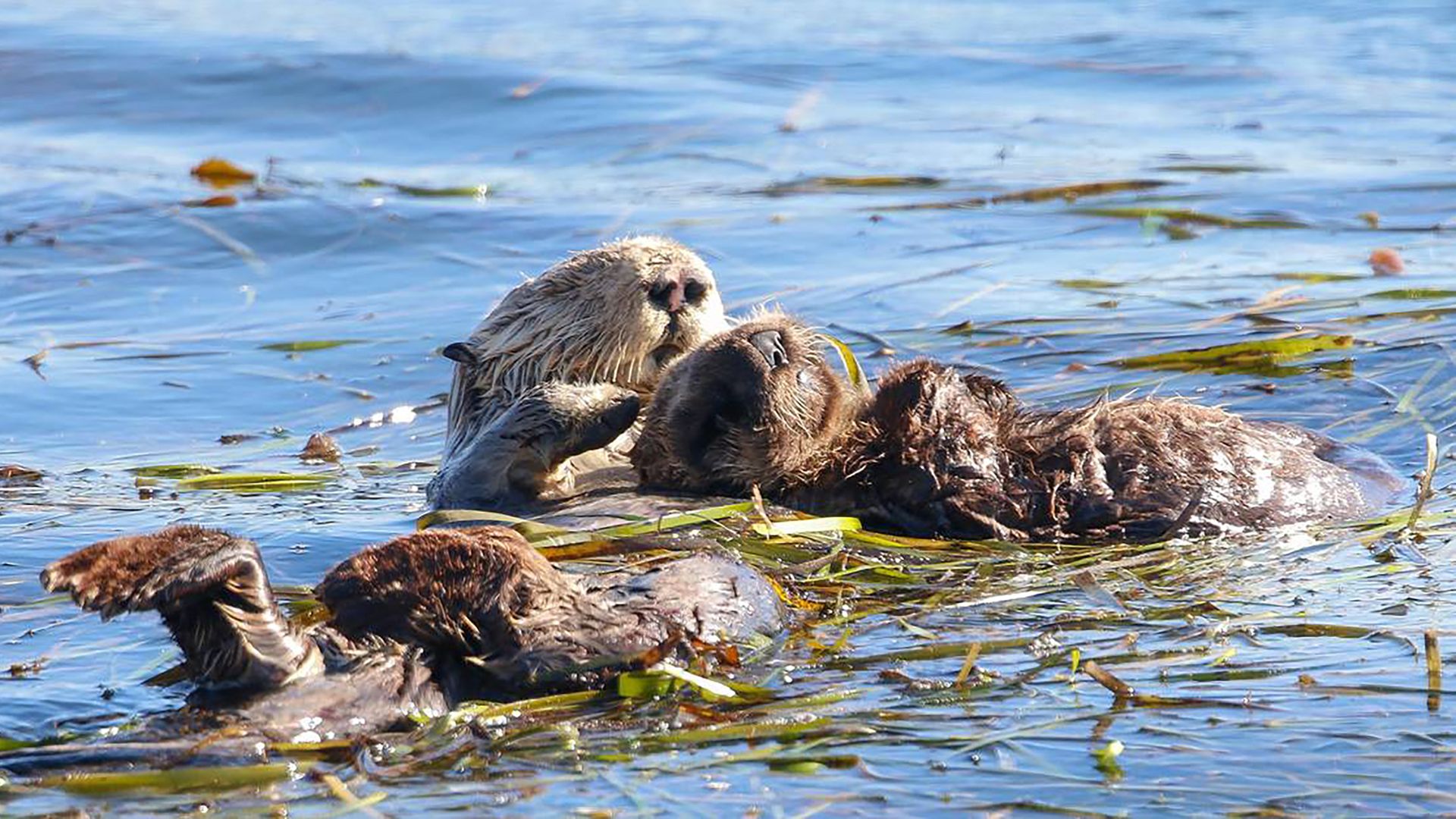
Aside from being objectively adorable, otters play an important role in marine ecosystems. Photo: Laura Dickinson/San Luis Obsipo Tribune/Tribune News Service via Getty Images
A coastal tribe wants to return otters to their native waters off the Oregon coast, though a recent grant to expedite that effort could be at risk due to President Trump's freeze on all federal grants and loans.
Why it matters: Sea otters play a pivotal role in marine ecosystems and tribal culture, one that's been missing in Oregon for more than a century due to overhunting.
Driving the news: The Confederated Tribes of Siletz Indians were awarded a grant of more than $1.5 million last week to continue their work on reintroducing sea otters in Oregon.
- The grant, from the National Fish and Wildlife Foundation, would allow the tribes to work with other Native groups and advocacy organizations to come up with a working plan to reintroduce the marine mammals in Oregon, likely from existing populations in Washington.
- The groups also focus on building support for reintroduction among ocean users like commercial and recreational fishing groups.
Yes, but: A federal judge temporarily halted President Trump's effort to pause federal grants on Tuesday, though the administrative stay lasts only though Monday and the long-term impact remained unclear.
- Chanel Hason, a spokesperson for sea otter advocacy group Elakha Alliance, said the status of the grant was also unclear as of Tuesday afternoon.
Catch up quick: Sea otters once populated the coast from British Columbia to Baja California, but they were nearly driven to extinction by fur traders in the late 1800s.
- A small group survived on remote parts of the California coast, and those populations have rebounded.
- The animals were reintroduced in Washington — growing from a population of 59 around 1970 to more than 2,800 in 2019.
State of play: Sea otters are voracious predators of purple sea urchins.
- Purple sea urchin populations have exploded in Oregon in recent years after a die-off of another of the shellfishes' top predators — sunflower sea stars.
- Urchins eat kelp, and the boom in urchin numbers has meant precipitous declines in kelp forests, which are vital for hundreds of other species — from phytoplankton to gray whales.
What they're saying: Delores Pigsley, chair of the Confederated Tribes of Siletz Indians, said the return of the sea otter would be important not just for the environment, but also for coastal tribes who depended on the animal for survival throughout their history.
- "We now know that they enabled rich marine and estuarine ecosystems that provided food and materials our ancestors needed for life," she said in a written statement. "This grant will help us to bring these relatives home."