Population growth for Oregon's gray wolf stalls

Add Axios as your preferred source to
see more of our stories on Google.
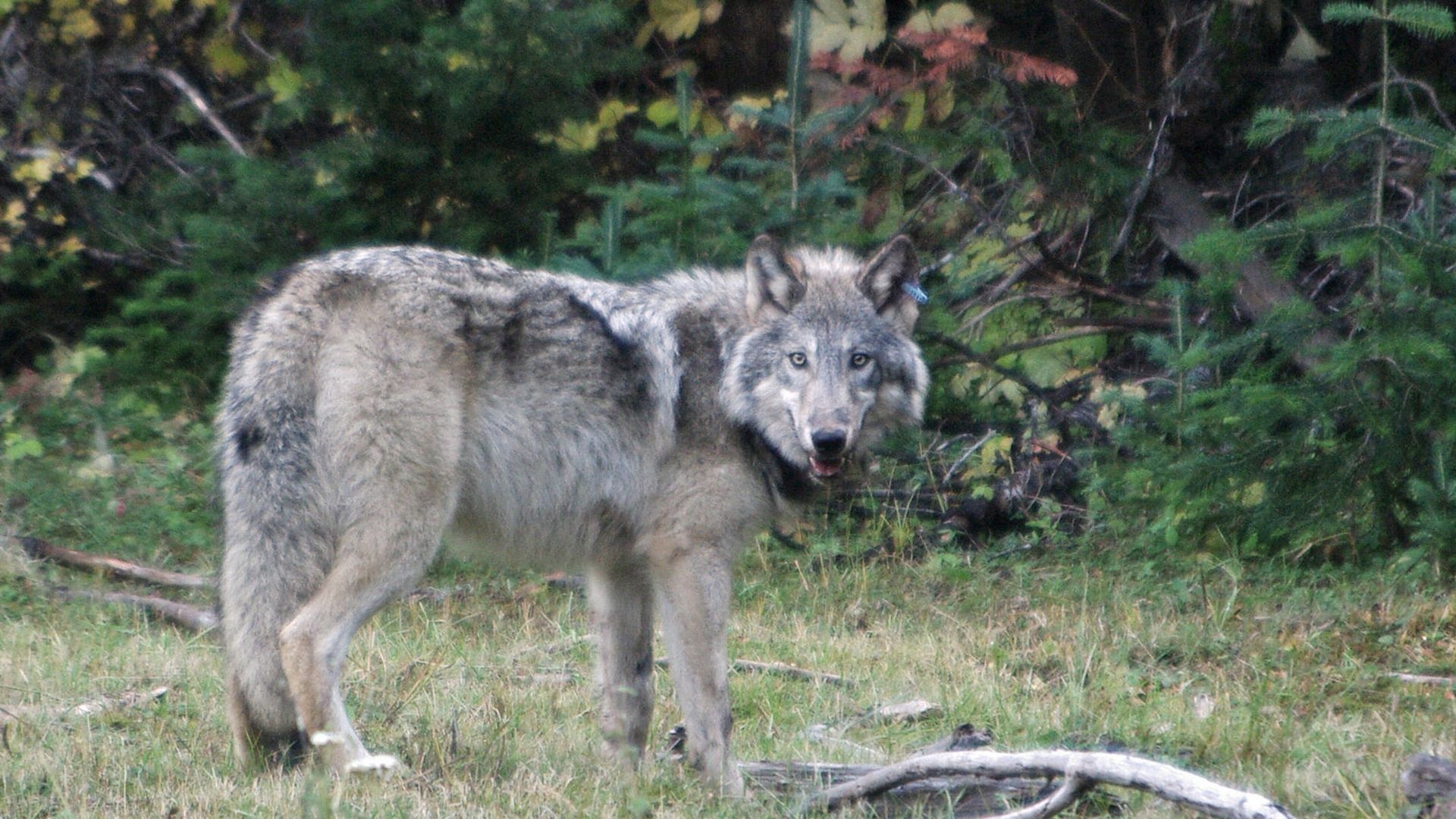
A female gray wolf pup located in northern Umatilla County. Photo: Courtesy of Oregon Department of Fish and Wildlife
Oregon's gray wolf population remains at a standstill following a rise in poaching and suspicious deaths, according to a recent report from state officials.
Why it matters: Oregon, among other states, has dedicated thousands of dollars in resources to rebuild, monitor and protect its wolf populations.
- A centuries-long extermination campaign nearly drove the species into extinction until conservationists better understood their role in the ecosystem.
What they found: While Oregon's gray wolf population has grown significantly in the last decade — from roughly 14 to 178 — 2023 was the first year since 2007 where no new gains were added.
- The April report also documented 36 wolf deaths last year, eight of which are under investigation by the Oregon State Police for potential poaching and poisoning.
What they're saying: "The amount of poaching and other suspicious deaths is alarming, impacts our conservation goals and could affect our ability to manage wolves in Oregon," Bernadette Graham Hudson, a spokesperson for the Oregon Department of Fish and Wildlife, said in a press release.
Context: Wolves in Oregon receive special statewide protection, but only those in the western portion of the state are protected under the federal Endangered Species Act.
- It is illegal to shoot a wolf unless in self-defense. The state outlines several nonlethal tools farmers can use to protect livestock from repeated predator attacks, such as electric fencing or any device that emits bright lights and loud sounds.
- According to the report, depredations on livestock increased 27% in 2023, and 16 wolves were killed after repeated attacks in northeastern Oregon.
Yes, but: Some farmers and ranchers argue the state's compensation policy for depredation events doesn't make up for the trauma on their herds.
The bottom line: Herds of gray wolves remain concentrated in the eastern part of the state, but there have been new sightings in Wasco and Lake counties.
- The stagnant population year over year could also signal stabilization from competition over food and territory.