Mayes appeals to Arizona Supreme Court in "fake electors" case

Add Axios as your preferred source to
see more of our stories on Google.
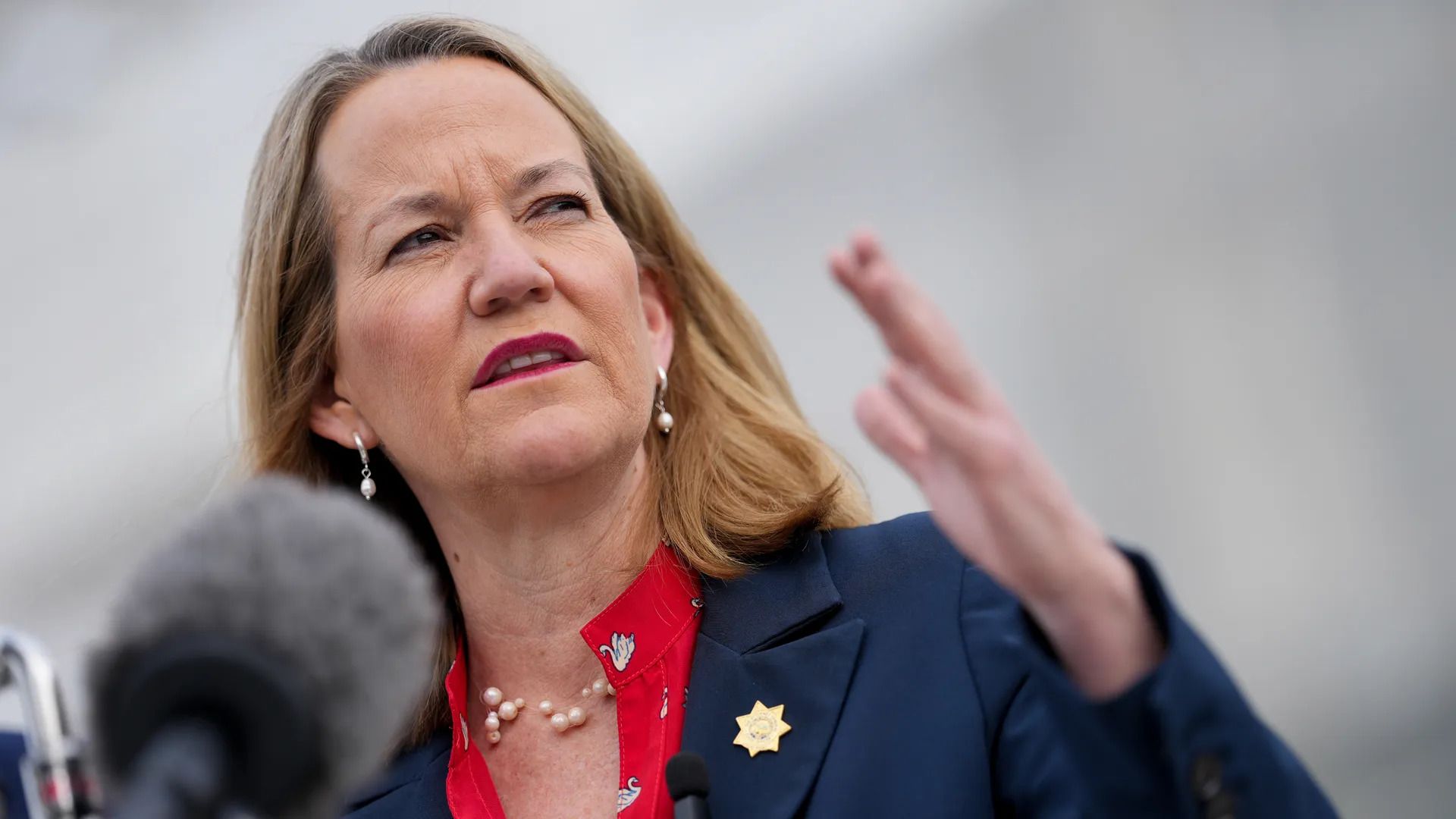
Arizona Attorney General Kris Mayes. Photo: Eric Lee/Bloomberg via Getty Images
Arizona Attorney General Kris Mayes will attempt to continue her prosecution of the "fake electors" who submitted electoral votes falsely asserting that Donald Trump won the state in the 2020 election with an appeal to the Arizona Supreme Court.
Why it matters: Mayes long touted the case against the 11 Republican electors and seven others as essential for upholding the rule of law, and declared when the indictments were handed down in 2024 that she would "not allow American democracy to be undermined."
Driving the news: The Attorney General's Office is now the asking state Supreme Court to review and reverse a lower court ruling that she must re-present her case against the fake electors defendants to a grand jury.
Context: Maricopa County Superior Court Judge Sam Myers ruled in May that the Attorney General's Office must send the case back to a grand jury because prosecutors never provided jurors with the text of the Electoral Count Act (ECA) of 1887 — which the defendants say shows their innocence.
- The Arizona Court of Appeals declined to hear Mayes' appeal.
Between the lines: In his petition to the state Supreme Court on Friday, prosecutor Nicholas Klingerman argued that Myers erred because the Attorney General's Office provided the grand jurors with relevant portions of the ECA, and that the failure to provide the entire text was harmless.
- The jurors' role was not to determine if the defendants' interpretation of the law was correct, he said; it was to determine whether there was probably cause to charge them.
- And he said the state had no duty to present a federal, non-criminal statute to the grand jurors.
What they're saying: "We remain squarely focused on ensuring the defendants are held accountable," Mayes said in a press statement, adding an "independent grand jury of ordinary Arizonans found sufficient cause to charge the defendants" based on the facts and the law.
- Dennis Wilenchik, an attorney representing 2020 elector Jim Lamon in the case, predicted the Supreme Court will reject Mayes' petition for review and the case "will ultimately fail," but that the AG will "string it out" beyond the 2026 election "to appease her voters."
Catch up quick: The Attorney General's Office launched its investigation shortly after Mayes took office in early 2023, and she secured grand jury indictments against the 18 defendants in April 2024.
Flashback: Loraine Pellegrino, one of the 11 electors, pleaded guilty last year to one misdemeanor charge of filing a false instrument.
- She received three years of probation, from which she was released in October — nearly two years early.
- The AG's Office dismissed charges against Jenna Ellis, a former attorney for Trump who was charged in the case, after she signed a cooperation agreement last year and agreed to testify against her former co-defendants.
Of note: Trump earlier this month pardoned 77 people, including the 18 Arizona defendants, accused of attempting to overturn the 2020 election results, but that doesn't apply to state charges.