Examining John Cooper's legacy

Add Axios as your preferred source to
see more of our stories on Google.

Photo illustration: Allie Carl/Axios. Photo: Leah Puttkammer/Getty Images
John Cooper's legacy as Nashville mayor boils down to your perspective on one question: Did he govern how he campaigned during his insurgent bid against the city establishment four years ago?
Flashback: When Cooper announced his candidacy in 2019, he told the Tennessean his top issues were "neighborhoods first" — as opposed to the downtown tourist district — and "financial stewardship."
- His entry into the mayor's race came on the heels of public outcry over 21 cherry trees due to be relocated or destroyed to make room for the NFL draft stage downtown.
- "[F]or the community it's a symbol that we are the trees, that we perhaps with all this growth may be removed. The growth may be forcing us to be removed," he told the newspaper in 2019.
Why it matters: During his four years in office, Cooper stabilized the city's finances and pumped a record amount of money into Metro Nashville Public Schools. He invested in neighborhood projects across the county, notably new school buildings, and launched new city agencies to focus on transportation, homelessness and affordable housing.
- Those accomplishments mesh with his campaign promises.
- Cooper also brokered a deal to build a $2.1 billion stadium for the Titans and backed the economic development deal to lure tech giant Oracle.
Between the lines: Those two projects may be perceived as contradicting the spirit of a campaign that held up the cherry trees as a metaphor for overbearing growth.
In an interview with Axios conducted a few days before he left office, Cooper pushed back on that perception.
What he's saying: "I think I campaigned and governed the same way. What have we talked about today? Neighborhood investments, a Metro that's not giving stuff away and is able to invest back in the communities."
- "I am the person who's protected Metro's balance sheet more than anybody else. And I'm the person who's getting that $1 billion worth of land [on the East Bank] back earning for us, creating a better city for us."
About the stadium: Cooper says the stadium deal rescued taxpayers from the burden of the old lease agreement and put the onus on tourists and stadium users to pay for the new facility.
- Hand-in-hand with a new stadium is the opportunity to redevelop the riverfront, including a new north-south road, which Cooper says will be the most significant transportation infrastructure since Briley Parkway was constructed.
- "I predict time will allow perspective, that the stadium deal was a brilliant financial move by the city to get out of liabilities we couldn't fund and into a paid-for asset for us."
Education investments and crisis leadership
On his way out the door, Cooper went on the offense about his track record. He used campaign money to mail residents a booklet touting his accomplishments and bragging about upholding 47 of 51 campaign promises.
Zoom in: In his interview with Axios, Cooper's case for his successful four years in office starts with the sorry state of the city finances when he was elected.
- The comptroller was threatening intense oversight of the Metro budget, prompting Cooper to push for a record 34% property tax increase in 2020. Cooper opposed tax increases during his time on council. But the one passed during his administration paved the way for a healthier financial future.It all culminated when the city's debt rating was upgraded to its highest level ever earlier this summer.
Of note: When federal pandemic relief funds came in, Metro didn't have to dedicate the money to cover its operating expenses and invested in other areas instead.
- Nashville spent 56% of its America Rescue Plan funds on affordable housing, a Cooper spokesperson says.
The big picture: Cooper says the city's financial problem "was masking lots of other problems."
- "You sit there and go, 'The state thinks we haven't balanced the budget.' Well, we hadn't. But we also hadn't been paying school bus drivers. We were having teacher vacancies because of low teacher pay. You had air conditioning systems that weren't fixed."
The revived finances allowed Cooper to dedicate $293.5 million in annual recurring funding to MNPS. He gave teachers the largest raise in Nashville history.
- Cooper also committed $500 million in capital dollars to MNPS, adding four new schools, including the new James Lawson High School in Bellevue.
"Probably the transformative change in education," Cooper said when asked about his proudest accomplishment. "If we just [had] any help from the state, then our numbers would be completely inspiring. But to be at over $16,000 per pupil [in combined state and city funding] from basically $9,500 per pupil — the funding had to go first if you're expecting achievement."
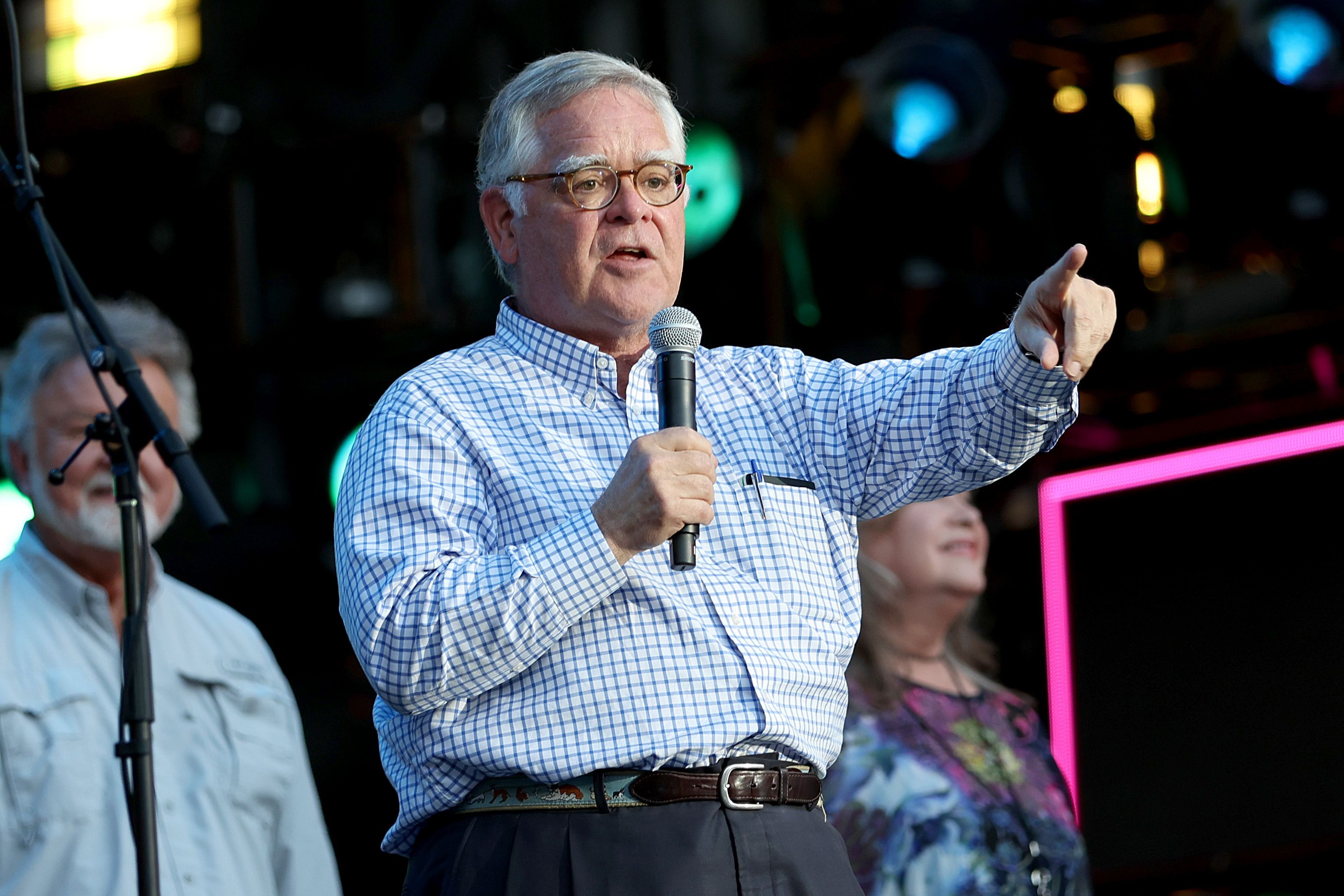
Zoom out: Any examination of Cooper's tenure has to include the reality that he led Metro through unprecedented crises: the 2020 tornado, the pandemic, the Second Avenue suicide bombing and the Covenant School massacre.
- "If you look at the list of what we got done, plus COVID, it's the most that's ever been accomplished in a four-year period. It's not close, I don't think."
Unfinished work
Cooper, 67, says he is "confident" he would have won re-election if he chose to run.
- "I felt like I would be successful when I withdrew. I think it probably would have been a different race. I think the debates would have been better."
He bowed out of running in January after three competent challengers, including his successor Freddie O'Connell, entered the fray. He said at the time he preferred governing to campaigning.
- Cooper, who contributed heavily to his 2019 campaign, likely would have been forced to pump more of his own money into his re-election bid.
The intrigue: Cooper, a former businessperson and developer, beamed when describing one project that wouldn't come to fruition until he was out of office: a new Planning Department initiative to repurpose under-used Metro assets.
- "You now have the resources to engage the community in a neighborhood-by-neighborhood way to restore these assets," Cooper said, mentioning the former Hillwood High and former Bellevue library as examples. "To take these assets back to the community, I think I would have been good at that."