Indianapolis' pandemic-era murder surge is tapering

Add Axios as your preferred source to
see more of our stories on Google.
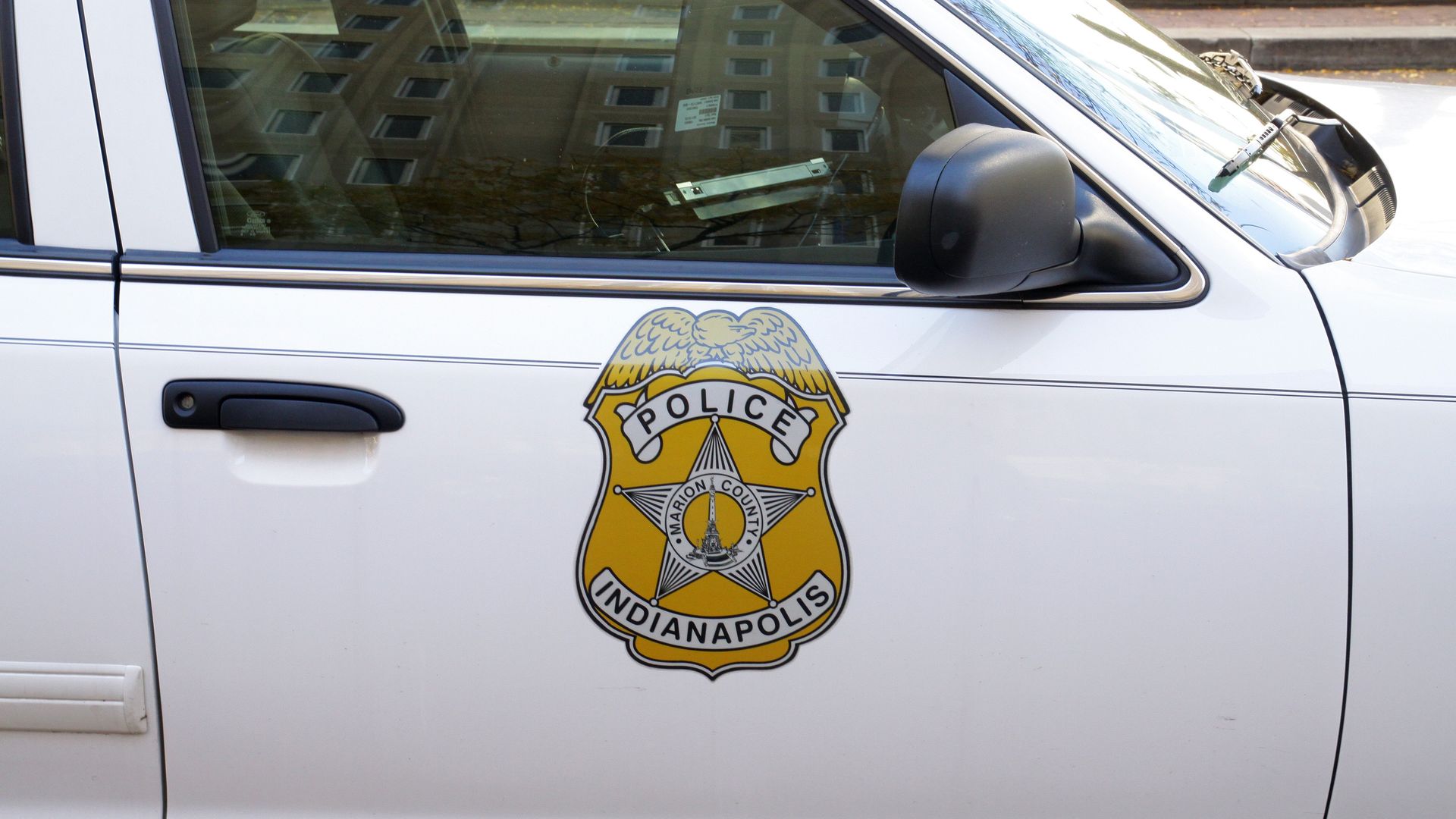
Indianapolis police are investigating fewer homicides compared to last year. Photo: Raymond Boyd/Michael Ochs Archives/Getty Images
Indianapolis shootings are resetting to pre-pandemic levels.
Driving the news: There were 96 criminal homicides in Indianapolis through the end of June, putting the city on pace for 192 this year, according to the Indianapolis Metropolitan Police Department.
- That would be down 8.6% from last year (210).
Why it matters: Indianapolis hasn't recorded fewer than 200 criminal homicides since 2019 when there were 154, a number then viewed as unacceptably high.
The big picture: Indianapolis continues to mirror national trends — homicides skyrocketed during the pandemic and now are falling.
- Murders are down 11% this year across 90 cities tracked by AH Datalytics, a data analysis firm.
- "The United States may be experiencing one of the largest annual percent changes in murder ever recorded," AH Datalytics co-founder Jeff Asher writes in the Atlantic.
By the numbers: It's not just homicides. Robberies (down 6%) and nonfatal shootings (down 8.5%) also are falling in Indianapolis.
- The city has had 284 nonfatal shootings so far this year, down from 304 at this time in 2022 and 344 in 2021.
What they're saying: "I just think the world's settling down after the pandemic," Chris Bailey, assistant chief of IMPD, tells Axios.
Of note: There were 113 total killings through June, including 17 not investigated as homicides, which points to a rise in accidental shootings.
Between the lines: Mayoral candidates are waging campaigns over dueling public safety narratives.
- Mayor Joe Hogsett, a Democrat who has staked his reputation on public safety, recently rolled out a new crime-fighting strategy featuring the addition of city-funded prosecutors under the umbrella of the U.S. Attorney's Office.
- Meanwhile, Republican challenger Jefferson Shreve is seizing on violent incidents, including a Fourth of July block party shooting that left a teenage girl dead, to argue "Indianapolis is paying the price for seven and a half years of no public safety plan," as he said Wednesday in a statement.
The bottom line: Politics can't explain why Indianapolis homicides rose, and started falling, in sync with cities across the U.S.