Historic Black neighborhood was one of Plano's earliest communities

Add Axios as your preferred source to
see more of our stories on Google.
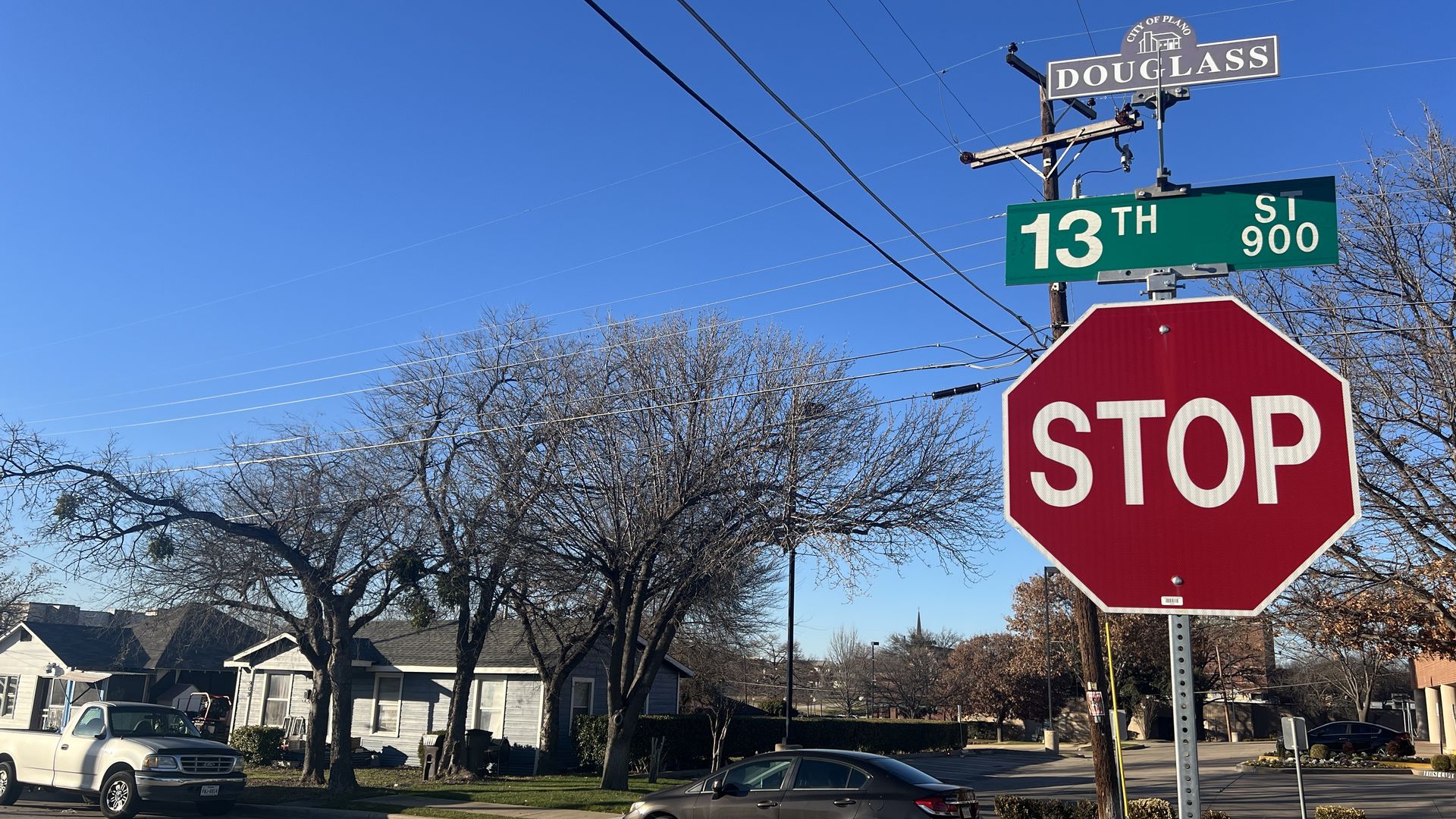
The Douglass neighborhood had several churches within a few blocks at one point. Photo: Naheed Rajwani-Dharsi/Axios
Before Juneteenth, a Black neighborhood in Plano was on its way to becoming one of the city's most vibrant communities.
Why it matters: Formerly enslaved people Andy Drake and Mose Stimpson established the community — later named after abolitionist Frederick Douglass — as a Black enclave in the early 1860s.
- Even as other Collin County communities faced violence during Reconstruction, the Douglass community hosted cotillions, established several churches and looked out for each other. They also got along with their white neighbors.
Flashback: Collin County voted against secession while the city of Plano voted to join the Confederacy.
- After the Civil War, more families settled in the Douglass community, which became predominantly Black by the late 1800s.
- Douglass Elementary School opened in 1896 for Black students.
State of play: Douglass, a short walk from historic downtown Plano, still has a significant Black population. Some families have known each other for several generations.
- "This was originally a Black community, but most people didn't know that this community existed," Dollie Thomas, whose family has lived in Douglass for four generations, tells Axios.
Zoom in: The U.S. Supreme Court overturned Brown v. Board of Education in 1954, setting up years-long efforts nationwide to integrate public schools.
- Plano was one of the last cities to complete integration, Thomas says.
- The decision was left up to Frederick Douglass School students, who voted around 1964 to integrate with the whites-only Plano High School.
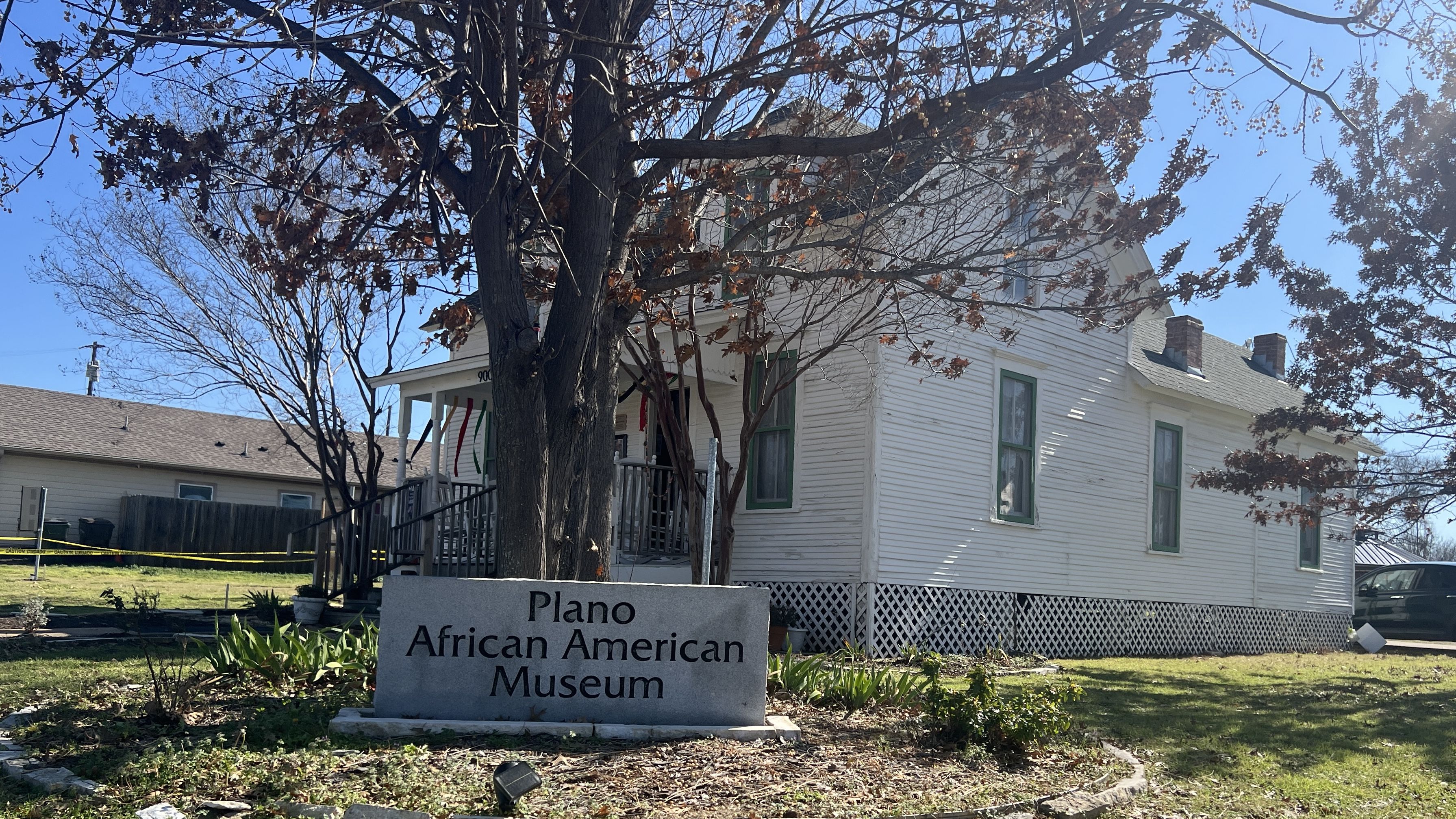
The intrigue: An online museum and the Plano African American Museum, in a historic Douglass home, continue to share the neighborhood's history.
- Children often come to the museum for a snack and to say hi. Sometimes, they visit with their class for a history lesson.
- "This is a labor of love for us to do this and for the community," says Thomas, who runs the museum with her family.
If you go: The Plano African American Museum is open noon-5pm Tuesday to Saturday and regularly hosts exhibits about North Texas' Black history. Admission is free.