Beyond booze: The changing challenge of impaired driving in Illinois

Add Axios as your preferred source to
see more of our stories on Google.
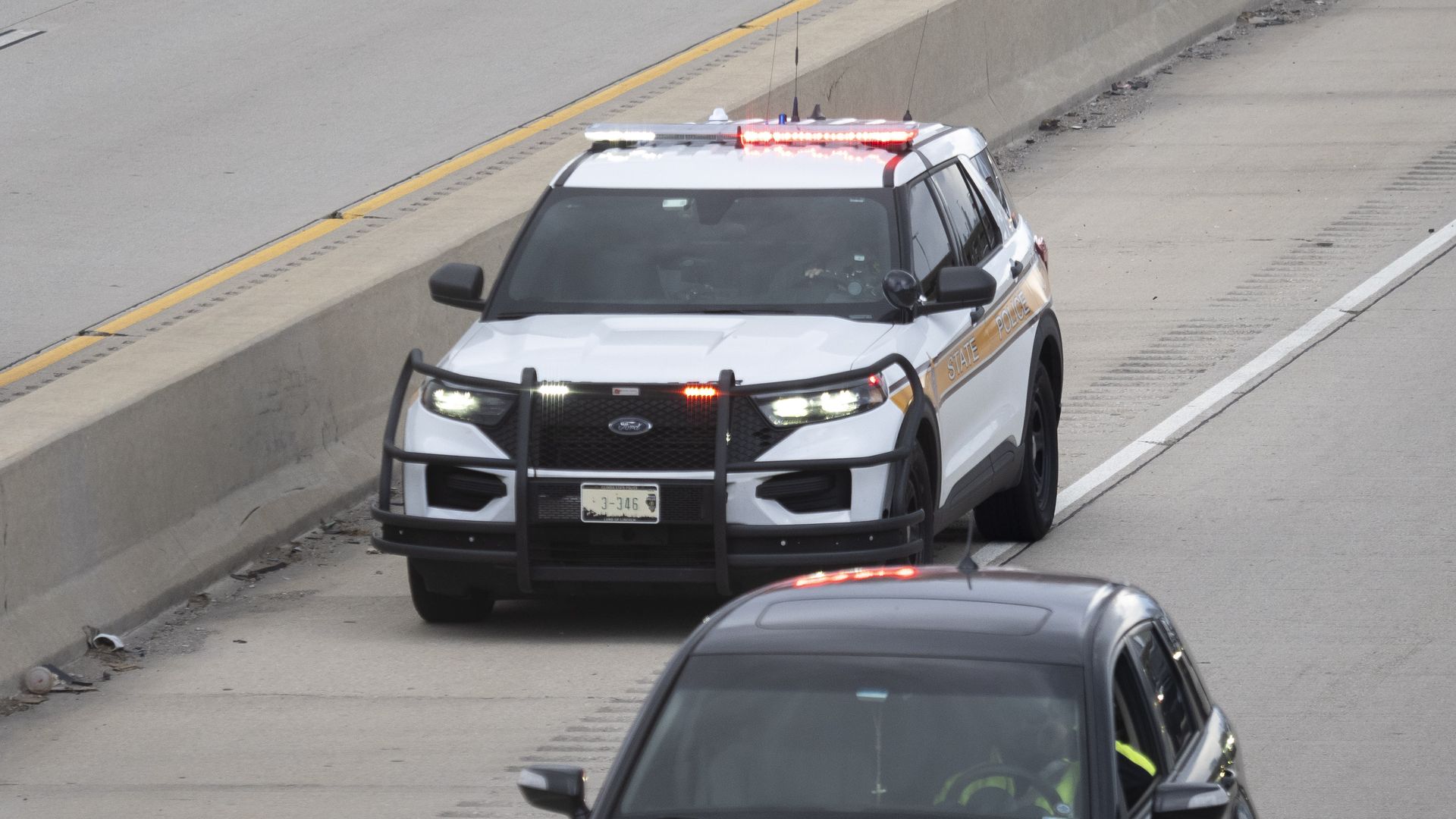
An Illinois State Police officer responds to a call on Dan Ryan Expressway in 2024. Photo: Joseph Weiser/Getty Images
Fewer Americans are drinking, but impaired driving remains a deadly problem on Illinois roads as authorities grapple with detecting substances beyond alcohol.
Why it matters: Millions of Americans will hit the road this Thanksgiving, and emerging technologies could change how police detect impaired driving.
The big picture: Just 54% of U.S. adults say they drink alcohol, tying a record low in Gallup's nearly 90 years of tracking.
By the numbers: Traffic deaths in Chicago are up 12.5% from the same period last year but remain below 2024 levels, according to an analysis of police crash data by Transparent.city.
- Alcohol-impaired crashes killed 338 people in Illinois in 2024, accounting for 29% of all traffic fatalities, according to federal data.
- Chicago police made nearly 3,000 DUI arrests in 2025, up 14% from the previous year, according to the Alliance Against Intoxicated Motorists.
The intrigue: A 2022 federal study of more than 7,000 seriously or fatally injured road users, including drivers, passengers and pedestrians, found 25% tested positive for cannabinoids, compared with 23% for alcohol.
Reality check: Illinois' annual cannabis report, released last month, found no sustained increase since legalization in the share of tested drivers involved in fatal crashes who tested positive for cannabis.
- Nearly 69% of those who tested positive for cannabis in 2024 also tested positive for alcohol or another drug.
Zoom in: Mindr, a substance-detection technology company, is developing new tools to prevent and detect impaired driving.
- "New technology is changing this on two fronts: how early we can stop impaired driving, and what we're testing for," Mindr's general manager, Kate Riley, tells Axios.
- The company has introduced a voluntary breathalyzer that prevents a car from starting if the driver's alcohol level exceeds a preset limit.
- It's also developing a handheld device, called recenTHC, designed to help police detect recent cannabis use through a saliva sample. Mindr expects it to reach the market in 2027.
How it works: Unlike urine tests, which can detect cannabis metabolites days or weeks after consumption, the device is designed to detect recent THC use.
Yes, but: THC concentrations in blood or saliva are poor indicators of impairment.
- "No THC test today measures impairment directly, including ours," Riley adds.
What's next: Mindr hopes to test the technology with Illinois law enforcement agencies next year.