Evanston YWCA trains abuse survivors for culinary careers

Add Axios as your preferred source to
see more of our stories on Google.
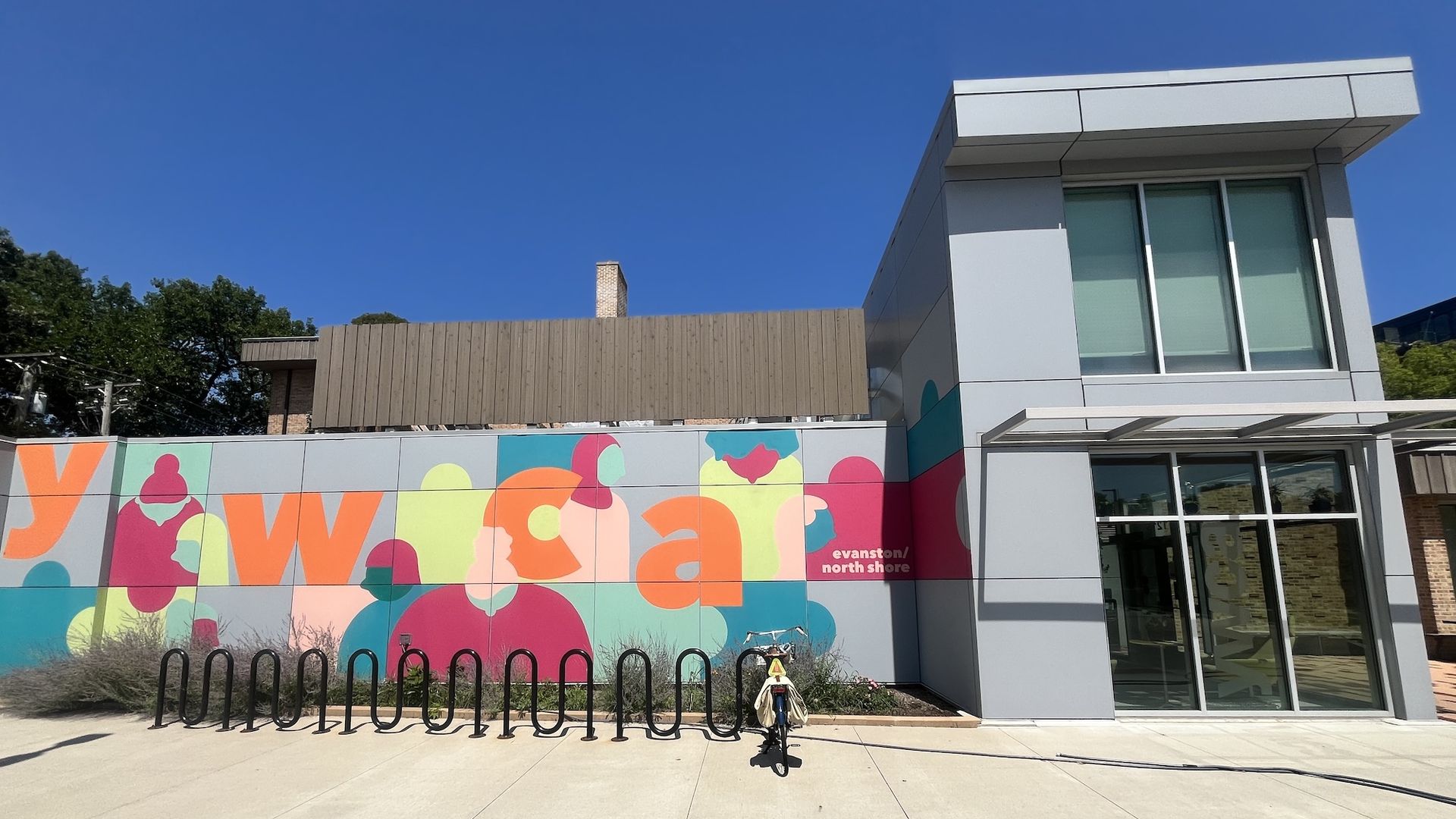
YWCA Evanston/North Shore. Photo: Carrie Shepherd/Axios
YWCA Evanston/North Shore trains survivors of domestic violence for restaurant jobs as they rebuild their lives.
Why it matters: Participants in the YWCA Culinary Program are often transitioning from an unstable, volatile environment. Job training sets them on a path toward independence.
The latest: The Jacques Pépin Foundation (JPF) recently awarded the program $50,000, allowing YWCA to grow the training program from 16 to 24 participants each year.
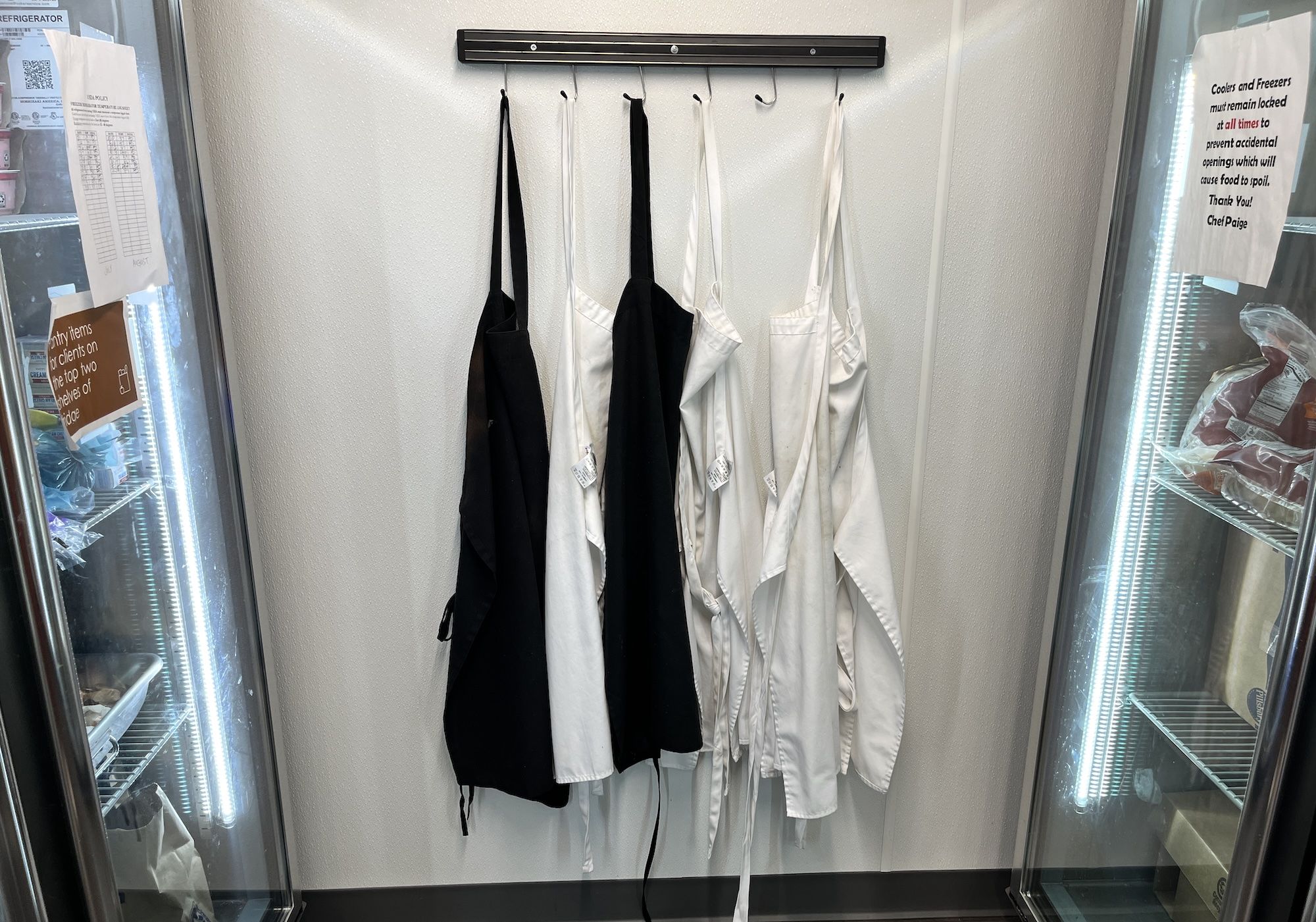
How it works: Trainees work 22 hours a week, alternating between classwork and hands-on training with a classically trained chef, and finish with the necessary certifications to work in kitchens.
- The 12-week program offers resume writing and interview preparation, as well as connections with mental health professionals.
- The workday runs from 10am–4pm to accommodate child care, as many enrollees are working parents.
- Some of the participants stay at the YWCA's temporary shelter.
Zoom in: Some graduates go on to start their own businesses, like Martina, who is running a food truck. (YWCA doesn't share full names to protect participants' privacy.)
- Many prefer the daytime hours of hospital cafeterias, school kitchens or corporate dining spaces, workforce development manager Juan Fuentes says.
State of play: The constant change and impermanence that many survivors face affects job security. Some lack a permanent address, while others need to miss work for medical care.
- Abusers often withhold transportation, documentation needed to get a job, or paychecks.
Zoom out: Illinois' Victims' Economic Security and Safety Act (VESSA) allows eligible workers to take up to 12 weeks of unpaid leave for medical help, legal assistance, counseling, safety planning and other assistance.
- Employees may also use VESSA leave for a family member who is a victim of violence.
- Employers must also provide accommodations to workers under VESSA, like modified schedules, installation of locks, or safety procedures if the employee is under threat of violence.
Yes, but: Workers can't always afford to take unpaid leave because they fear they'll lose their job if they reveal abuse.
- More than 50% of survivors surveyed by Futures Without Violence said they didn't disclose their domestic violence to their employers due to fear of discrimination, job loss or retaliation.
- Futures Without Violence offers employers practical ways to help survivors in the workplace, like making sure they have a confidential way to disclose their abuse.
The bottom line: Survivors leaving abusive relationships face uncertainty in every corner, including the workforce; giving them necessary tools is a step in the right direction.