Illinois lawmakers push ban on speculative ticket sales

Add Axios as your preferred source to
see more of our stories on Google.
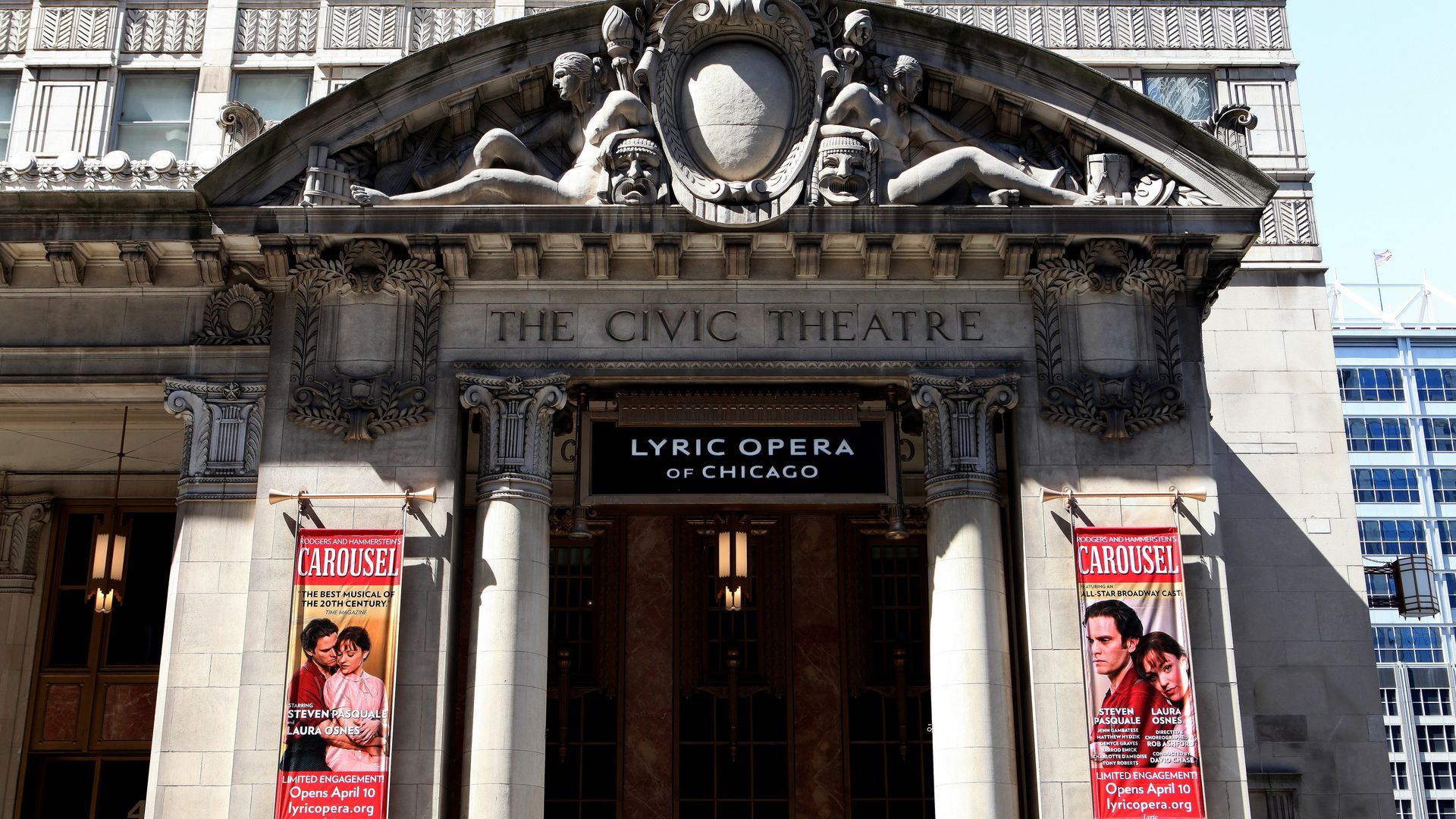
The Civic Opera House in 2015. Photo: Raymond Boyd/Getty Images
Illinois lawmakers are pushing to ban speculative ticket sales, where sellers list tickets they don't actually have — often at inflated prices — on secondary or lookalike sites.
The latest: The Illinois House passed a bill this week that would ban the practice, requiring sellers to have tickets in hand before listing them.
Why it matters: Buyers often don't know whether their tickets are real until they get into the event or are turned away at the door.
How it works: Speculative sellers list tickets they don't have. Sometimes they later secure the tickets; other times, buyers end up with invalid tickets.
Case in point: Ravinia is hosting Snoop Dogg in September. Tickets for that event are already being offered for thousands of dollars on various sites.
- One small issue: Tickets haven't gone on sale yet.
What they're saying: "When we have high demand, it's a problem," Lyric Opera of Chicago CEO John Mangum tells Axios.
- "We have to keep tickets on hand to make sure that people who think they have tickets can get in. We lose the income we could make selling those tickets that we have to set aside to deal with this."
By the numbers: Mangum says speculative ticket scams at shows like "Madame Butterfly" and the Billy Corgan opera last year were big targets.
- He estimates speculative ticket scams cost the Lyric $250,000–$300,000 annually.
State of play: Ticket scams are on the rise post-pandemic, as sellers deploy QR codes and convincing fake websites that can easily fool rushed buyers.
What's next: The bill is now in the Senate, which has signaled it will take it up sometime this week or next.
- In addition to banning the practice, the bill would provide some relief to the buyer who was scammed.
- "This provides a recourse for the individual," Rep. Nabeela Syed (D-Palatine) said. "They can now have an opportunity to file a lawsuit or go to the Office of the Attorney General."
The bottom line: "We can't have people who legitimately want to come see a show at Lyric Opera Chicago have this negative, upsetting experience," Mangum adds.
- "That's why we need this legislation."