Chicago jazz radio legends to reunite for International Jazz Day panel

Add Axios as your preferred source to
see more of our stories on Google.
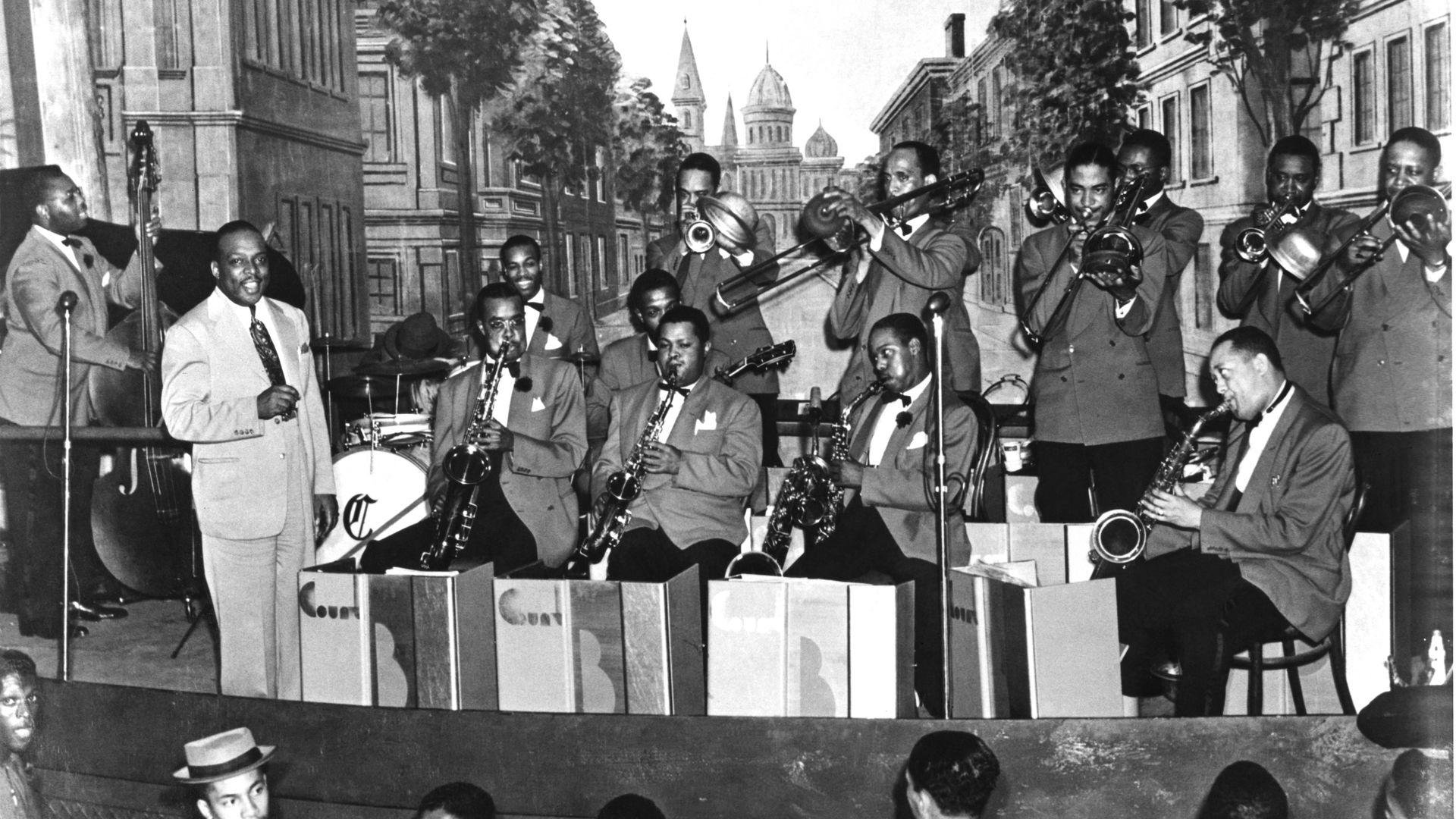
The Count Basie Orchestra performs on stage in Chicago in 1940. Photo: JP Jazz Archive/Redferns via Getty Images
Chicago jazz radio legends are reuniting Sunday to revisit the city's rich broadcast history — and what's been lost.
The latest: Several radio veterans, including Richard Steele, Barry Winograd and Neil Tesser, will gather for a panel at the Cultural Center as part of Chicago's International Jazz Day programming.
What they're saying: "There used to be so much jazz on the radio in Chicago," Sirius XM Real Jazz host Mark Ruffin tells Axios. Ruffin, who previously worked at several Chicago jazz stations, put the panel together.
- "I want to honor those who came before us and get their history."
Flashback: Jazz was the pop music of the early 20th century. By the 1940s, several national radio networks were based in Chicago, hiring local talent to broadcast jazz programming.
- That reach — combined with the city's status as a hub for touring and homegrown musicians — helped cement Chicago as a center of the jazz world.
Reality check: Rock 'n' roll's rise in the 1950s pushed jazz off the dial, leading to the gradual decline of dedicated stations and programs.
- "It was baseball and jazz radio that helped bring people together," Ruffin adds. "In Chicago, we had great white DJs and great Black DJs. It connected audiences across the city."
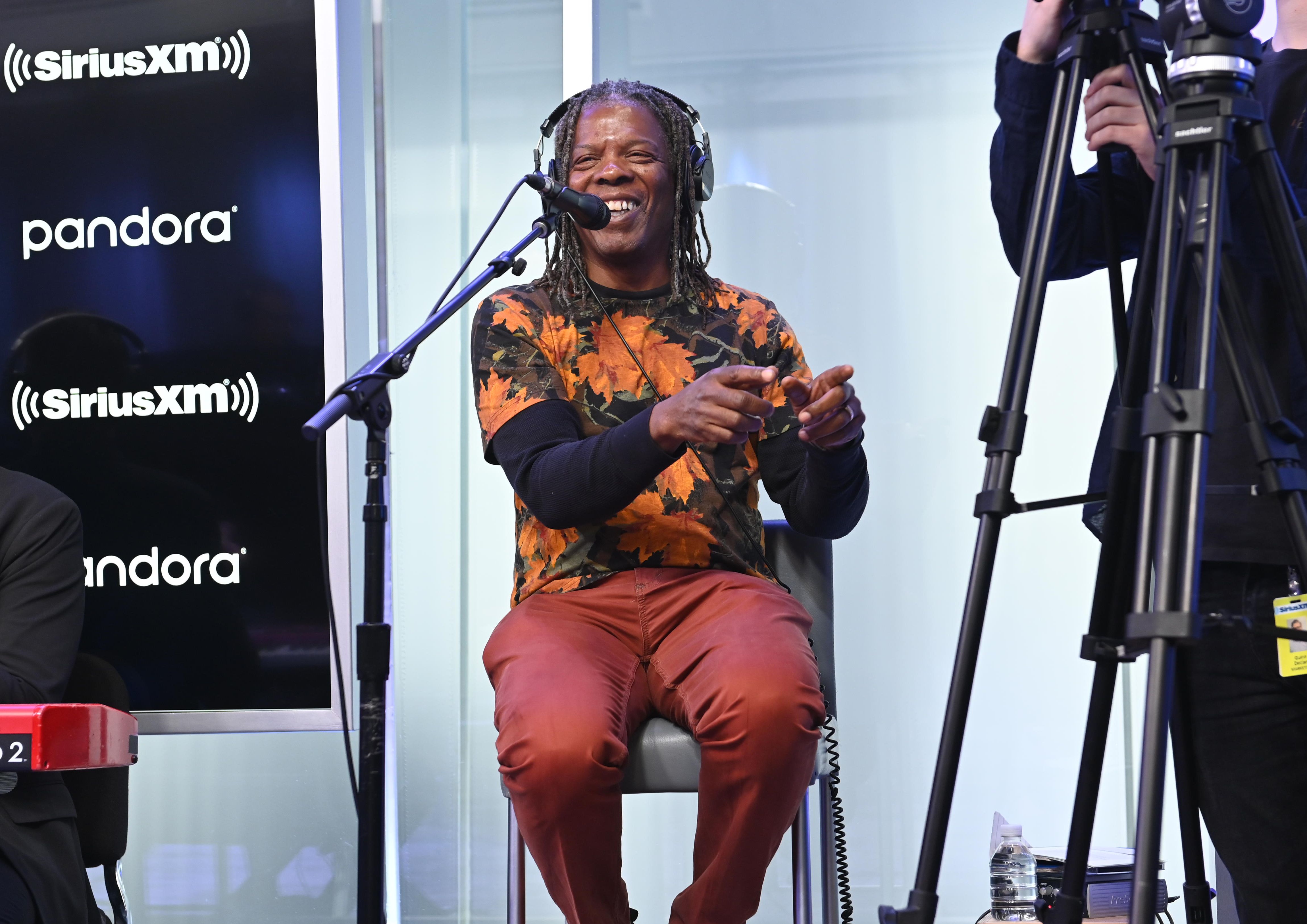
Between the lines: Ruffin hopes Sunday's event creates a public record of jazz's impact on Chicago and allows people to share their stories.
- "I actually think the audience is going to provide us with some of the best material, because their memories are more from listening to the shows."
Zoom out: Ruffin worked at four jazz radio stations in Chicago. Today, all have switched formats.
- The notable exception is WDCB-FM, broadcasting from the College of DuPage in Glen Ellyn.
- WBEZ-FM aired one of the city's last regular jazz programs before ending nightly broadcasts in the 2000s.
If you go: The panel starts at 1pm Sunday in Preston Bradley Hall at the Cultural Center.