How to navigate Chicago's flooded roads

Add Axios as your preferred source to
see more of our stories on Google.
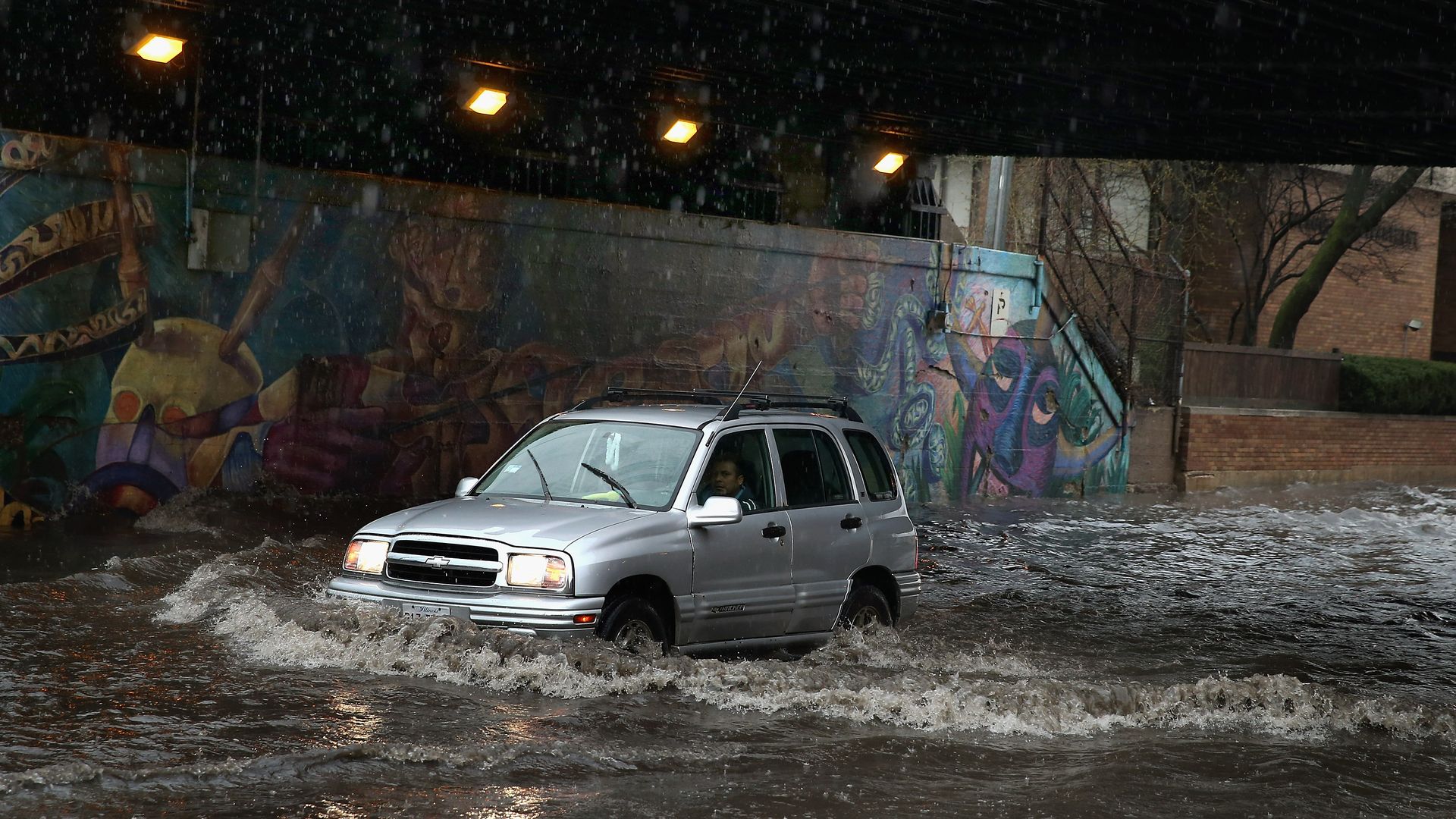
A car navigates a flooded Chicago viaduct in 2013. Photo: Scott Olson/Getty Images
Tuesday night's storms were a preview of the heavier downpours Chicago can expect over the next 25 years, according to a recent University of Illinois bulletin.
Why it matters: Intense storms in Chicago are far more common than they used to be — but infrastructure hasn't kept up, according to a recent Sun-Times analysis.
These frequent downpours will make it even more important to know how to navigate flooded streets — when to drive through them and when to take another route.
The big picture: Office of Emergency Management officials tell Axios that the city "urges motorists to use caution and avoid driving through standing water on streets, viaducts and low-lying areas."
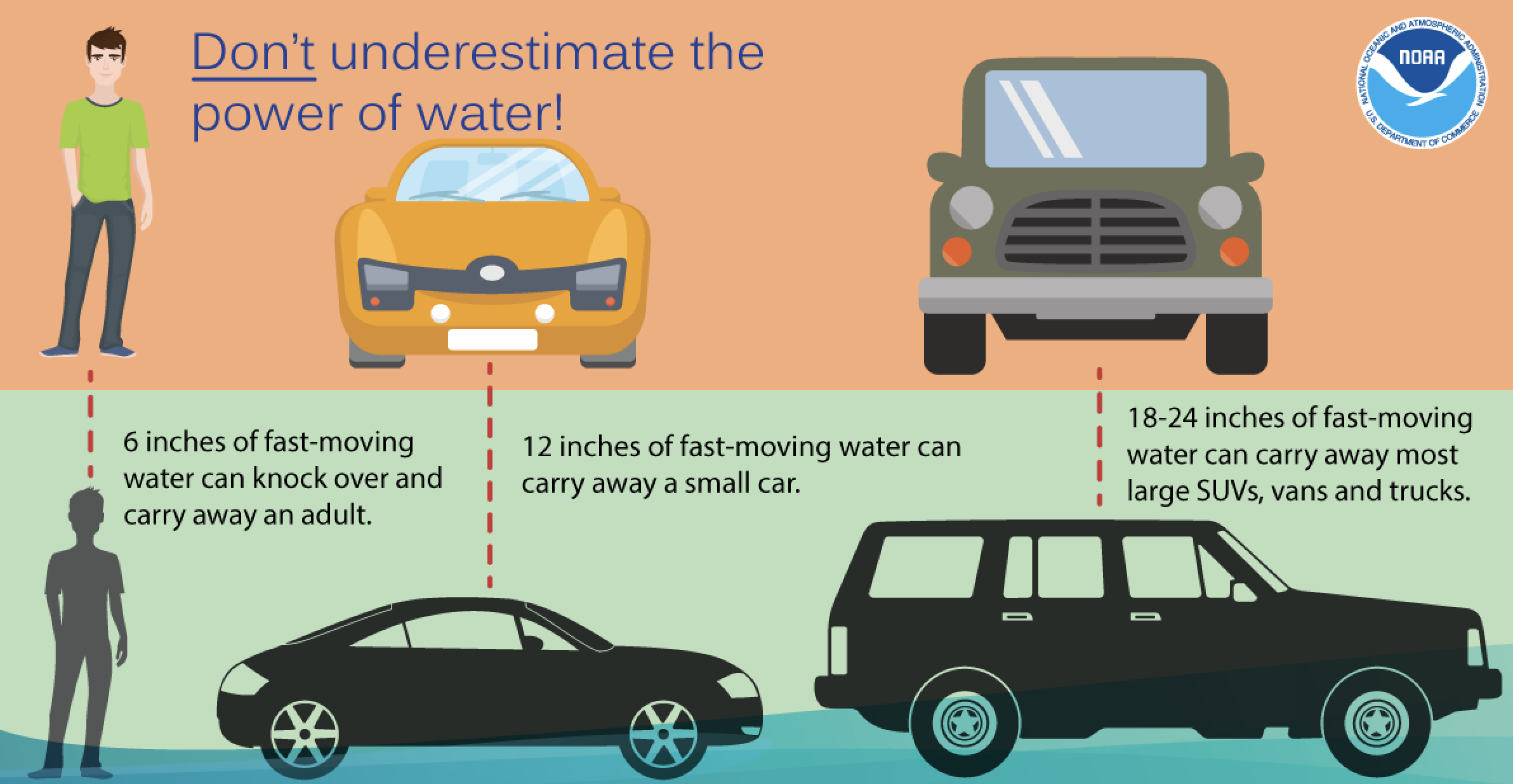
Yes, but: Let's admit it — many of us have driven up to a flooded street and wondered if we could make it through, often debating whether to go fast or slow.
The answer: Fight that instinct to speed through the water, says Kenneth McMillian, who chairs the department of automotive and collision technology at Kennedy-King College.
- Instead, "keep a low, consistent speed," he tells Axios. "Think like walking pace. This creates a small boat wake in the front of the vehicle that can help prevent water from rushing into the engine bay."
Between the lines: McMillian also warns against driving through high water, noting potential damage to your engine, electrical system, transmission, brakes and interior that could cost thousands to fix.
The bottom line: Look for other routes, consider your vehicle's height, and, if you must drive through, keep it slow and steady.
Flood flip tip: When evaluating a used car for undisclosed flood damage, McMillian advises checking for a musty smell in the ventilation system, mud deep in the seats, and diagnostic lights that have been disabled.
What's next: Axios is gathering data on the city's most flood-prone viaducts and how to avoid them.