MCA exhibit highlights reggaetón as protest art

Add Axios as your preferred source to
see more of our stories on Google.
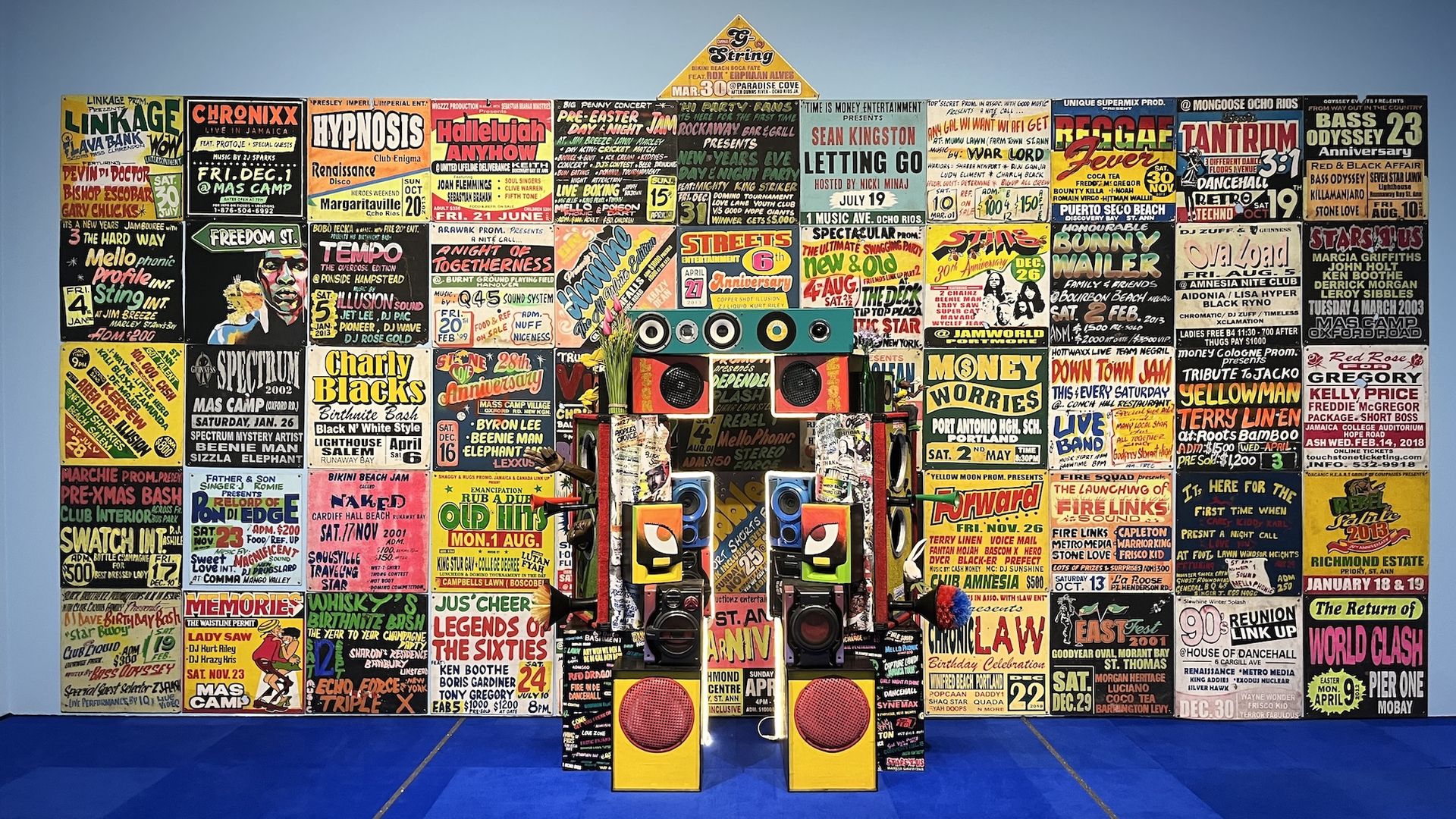
Matthew McCarthy and Maxine Walter's "The Most High - a serious t'hing, 2026". Photo: Carrie Shepherd/Axios
Bass thumps, bodies moving and protest footage immediately greet visitors at MCA Chicago's new exhibit.
The big picture: "Dancing the Revolution: From Dancehall to Reggaeton" traces reggaetón and dancehall music as vehicles for political resistance and cultural identity.
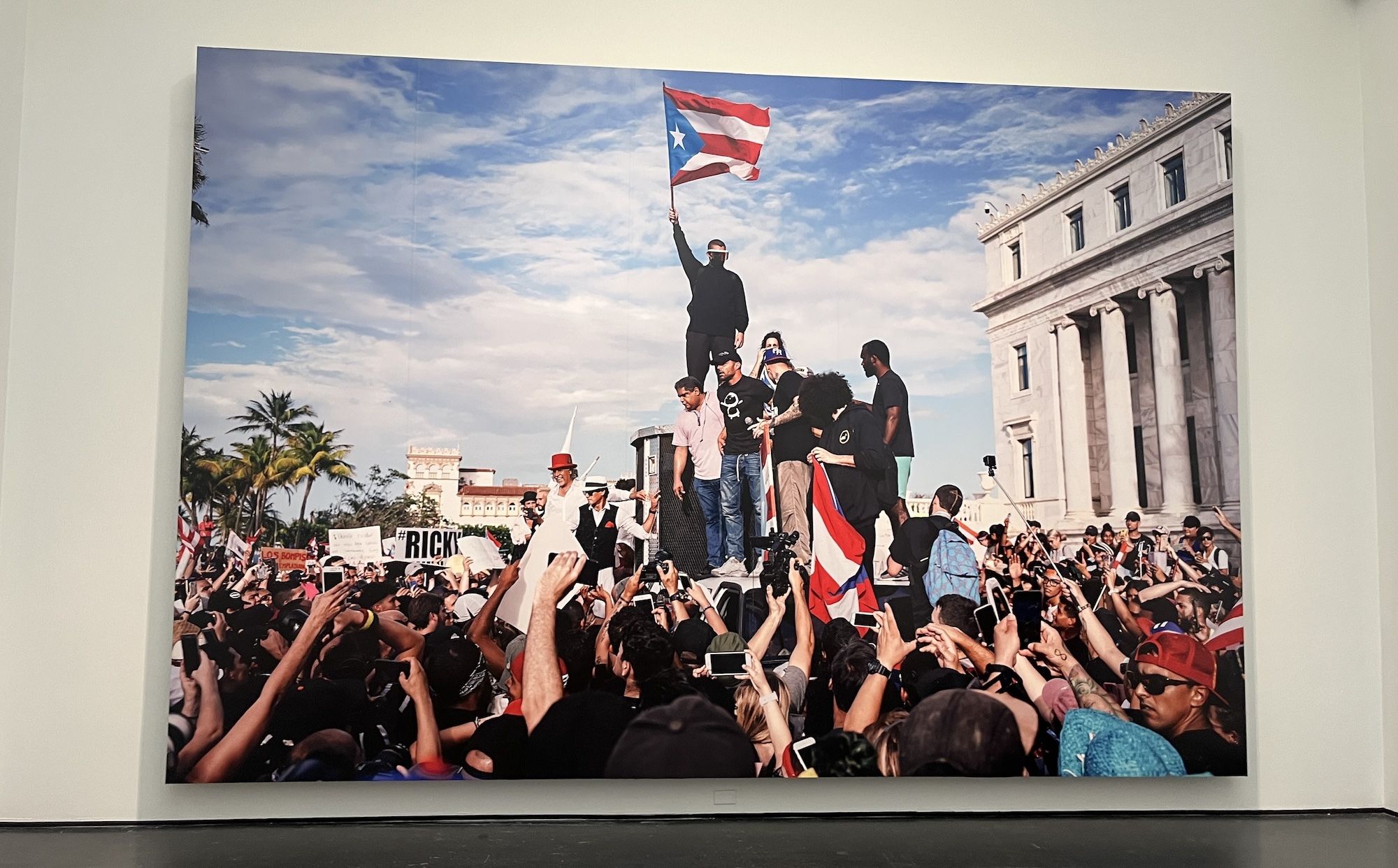
Flashback: Curator Carla Acevedo-Yates began started thinking about the exhibit during the 2019 Puerto Rico protests that ousted Gov. Ricardo Rosselló.
- The leader had made misogynistic and homophobic comments about Puerto Ricans as the country worked to rebuild after Hurricane Maria.
- Acevedo-Yates was struck by the perreo combativo in which the queer community urged protesters to dance reggaetón on the steps of San Juan Cathedral.
- Rosselló resigned during the protest, and the anger turned into celebration.
What they're saying: "One of the main arguments of the show is really to think about these musical genres not just as entertainment," Acevedo-Yates explained during a press preview of the exhibit.
- "People look at things, they listen to them, and they think about nightlife and fun, but they carry really deep social, political and spiritual histories."
Context: The show defines reggaetón as a blend of Jamaican hip-hop rhythms and Spanish rap, set to a fast-paced, repetitive pattern, as in Bad Bunny.
- Dancehall has fast-paced, staccato lyrics and is considered more than music but also a space and a culture.
- The curator said reggae is the best-known popular music in Jamaica, but the most potent form of popular music there is dancehall.
- "It's also an attitude, it's also fashion, it's also a way of moving through the world," Acevedo-Yates explained.
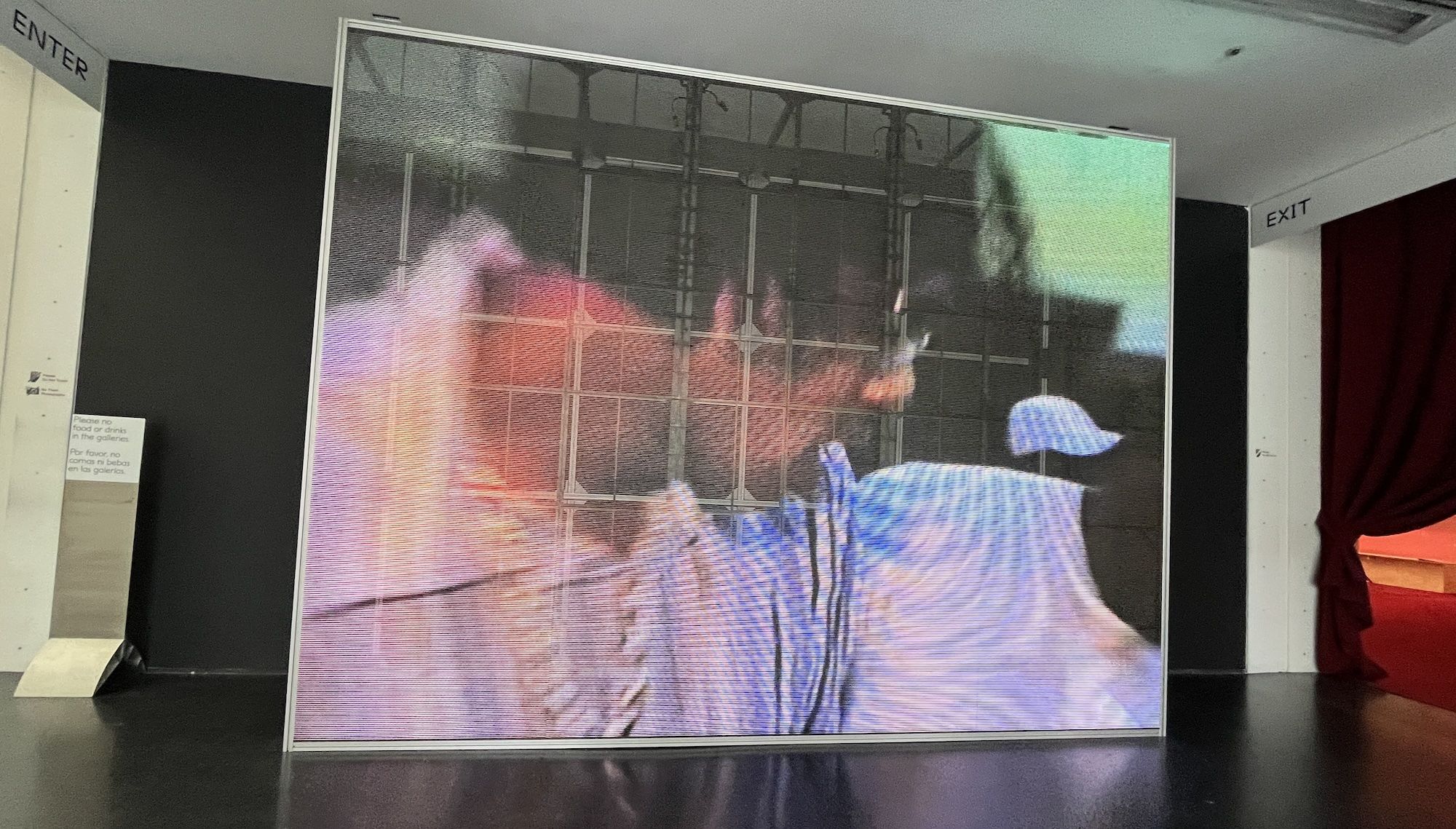
What to expect: MCA digitized VHS tapes by Jack Sowah showing dance parties in Jamaica from the 1980s to the 2000s.
- A sculpture of stacked speakers shows the reverence for the sound system, which Jamaicans moved around the country to create a mobile disco.
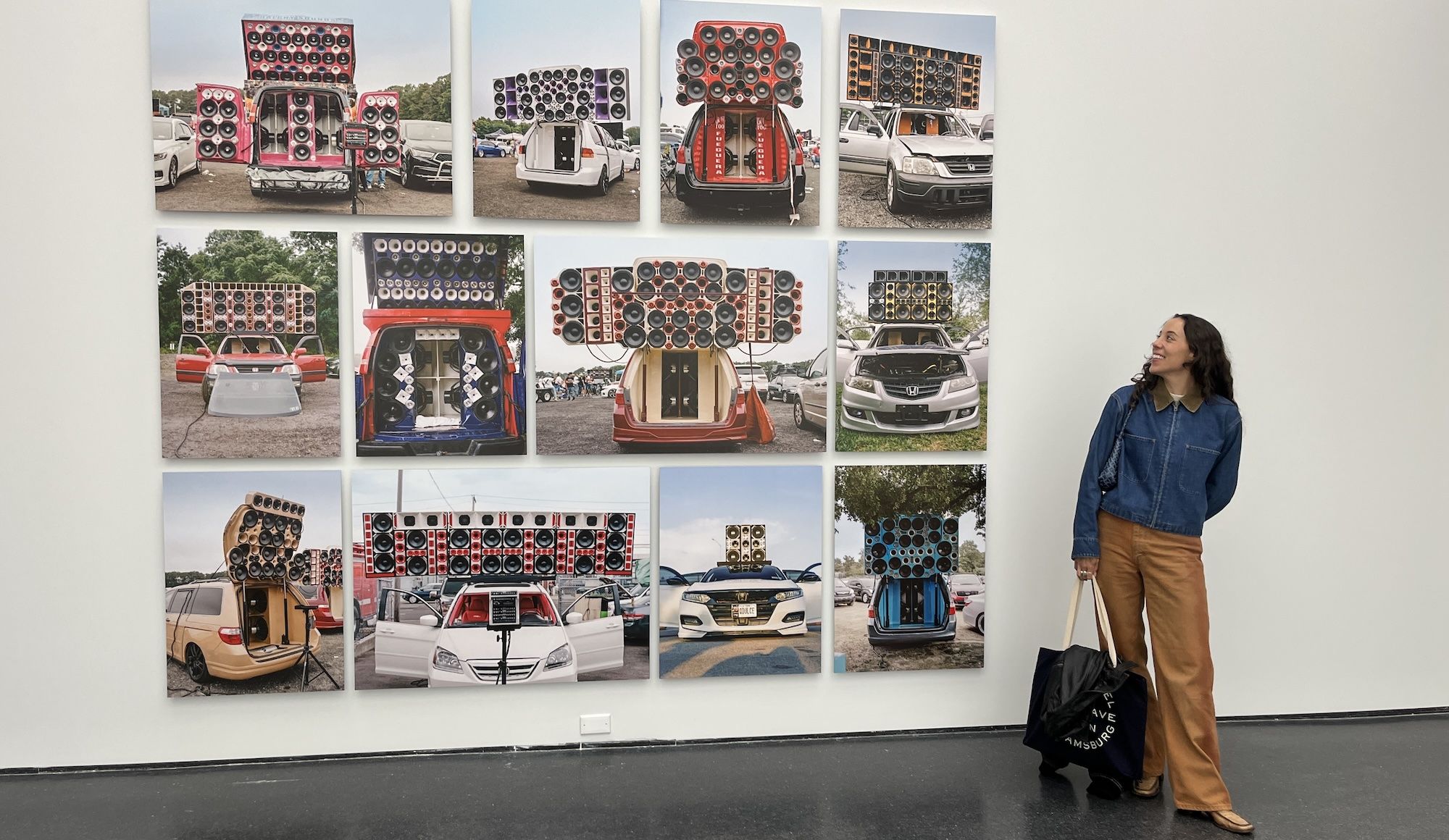
- Photos and videos from Veracruz, Bogotá, and London show how dancehall was used as a form of expression and as a means of revolt against colonialism by the diaspora in those cities.
Reality check: Women and queer people have appropriated the sexual energy of dancehall against the misogyny that had been embedded into the culture, Acevedo-Yates said.
- Artist Awilda Rodríguez Lora repeats "Tortilleras unidas jamás serán vencidas (Tortilleras united will never be defeated)" in a video while dancing and singing in what looks like a reggaeton club to reclaim a word that had been used as a slur for lesbians.
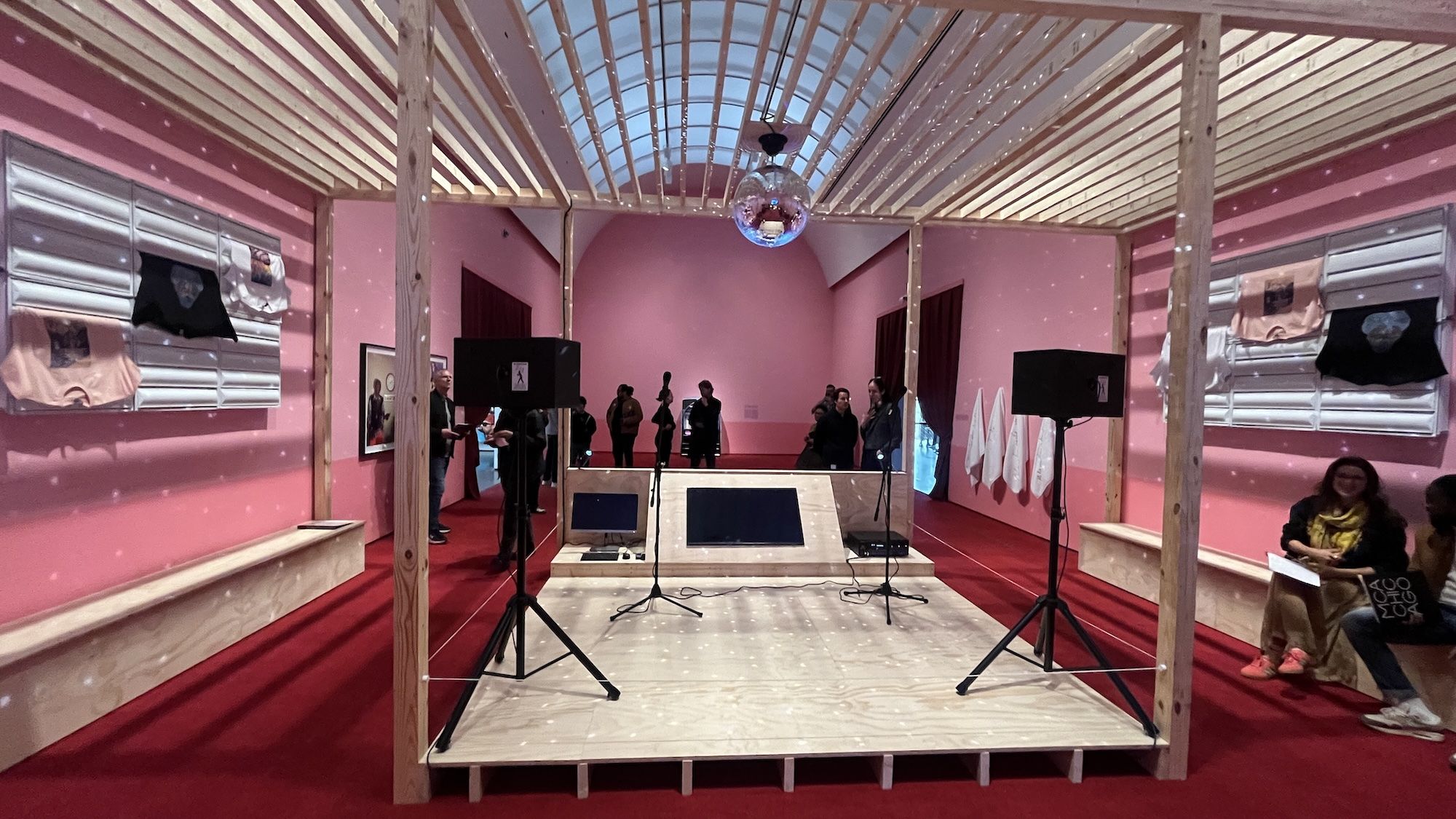
Of course, the exhibit gives visitors their own opportunity to experience dancehall culture by turning one gallery into a karaoke bar with microphones and a playlist.
- Singers can belt out on Tuesdays from 5-9pm.
If you go: "Dancing the Revolution: From Dancehall to Reggaeton" opens Tuesday and runs through Sept. 20 at the MCA.