Chicago asks Black residents to shape reparations plan

Add Axios as your preferred source to
see more of our stories on Google.
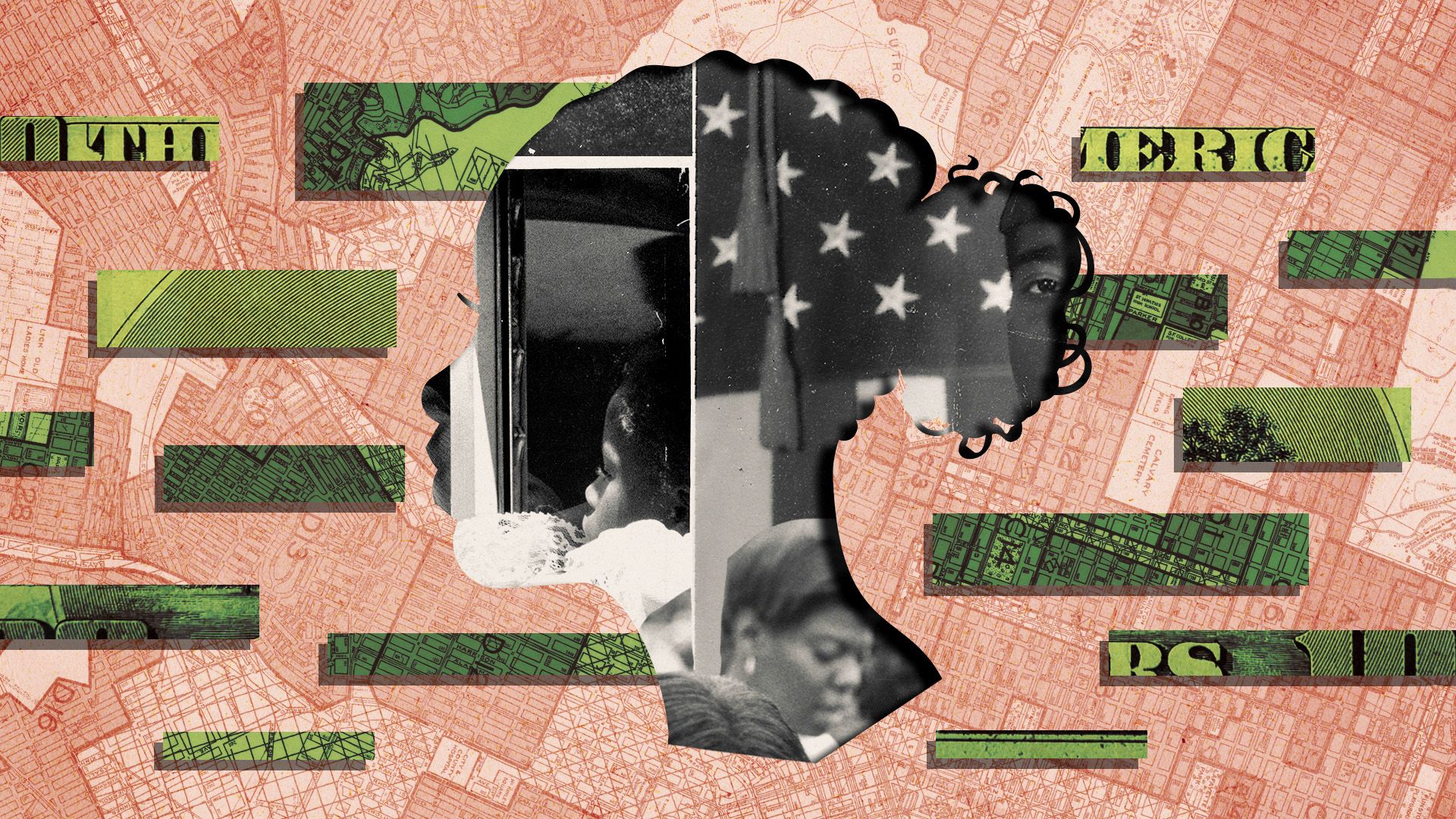
Photo illustration: Shoshana Gordon/Axios. Photos: Clarence Gatson Collection/Gado/Getty Images, Dave Randolph/San Francisco Chronicle via Getty Images, National Archives via Mapping Inequality
The City of Chicago is asking Black residents to help shape the city's long-promised reparations plan, just as Evanston's program comes under attack.
Why it matters: The new Repair Chicago campaign includes public forums and a survey to "explore the impacts of systemic discrimination," per Mayor Brandon Johnson's office.
- The mayor created a reparations task force in 2024.
State of play: Alders and other advocates have called for an official reparations program in Chicago for years, but those calls gained momentum in 2020 after the police murder of George Floyd in Minneapolis. City Council and then Mayor Lori Lightfoot created a subcommittee on the issue, but that made little progress.
- Johnson's 2024 reparations initiative has missed deadlines, The Triibe reported last year.
The latest: As Chicago takes steps to solidify its reparations plan, a class-action lawsuit is moving ahead against Evanston, which in 2019 became the first municipality in the country to create a reparations program.
- A judge this week dismissed Evanston's request to throw out the lawsuit in which plaintiffs claim the race-based eligibility requirement to receive compensation through reparations violates the Equal Protection Clause of the Constitution.
- Evanston's program provides up to $25,000 in grants toward homeownership and home improvements.
Last week, the U.S. was one of three countries that voted against a United Nations resolution affirming the need to address the historical wrongs of enslavement and calling for reparations as a concrete step toward remedy.
- The United States "does not recognize a legal right to reparations for historical wrongs that were not illegal under international law at the time they occurred," Ambassador Dan Negrea, U.S. representative to the UN, said.
Zoom out: The mayor's reparations plan comes on the heels of Illinois' African Descent-Citizens Reparations Commission (ADCRC) releasing a report last month outlining how inequality for Black residents has permeated into housing, education, criminal justice, politics and the economy.
- The commission analyzed historical documents, government data and community input that describe the impact of generational harm against Black Illinoisans.
Key findings: Anti-Black racism and white supremacy in Illinois mirrored what was happening in southern states during the late 19th to early 20th centuries, a point the Rev. Martin Luther King Jr. made in 1966 when he said he'd "never seen anything so hostile and hateful" as the violence he experienced in Chicago.
- Until 2021, Illinois counted incarcerated people as residents of a prison's location rather than using their last known place of residence, pulling political power from urban centers to rural and majority-white areas.
- The median household income for Black households in Illinois is $40,000 less than that of white Illinoisans.
What they're saying: "Beyond all the discussion of economic calculations and compensation mechanisms and programmatic entitlements and eligibility standards, what reparations can give us is a way of imagining, and then building, a more just world for every single person, Black and non-Black," the commission wrote in the report.
- "The call for reparations is not now, and never has been, solely about money owed. Rather, the movement for reparations … provides us a mechanism for building toward a more just world yet to come."
What's next: The survey is open to the public until May 31, and the city is hosting a Repair Chicago town hall on April 9 at Malcolm X College and another on April 22 at Kennedy King College.