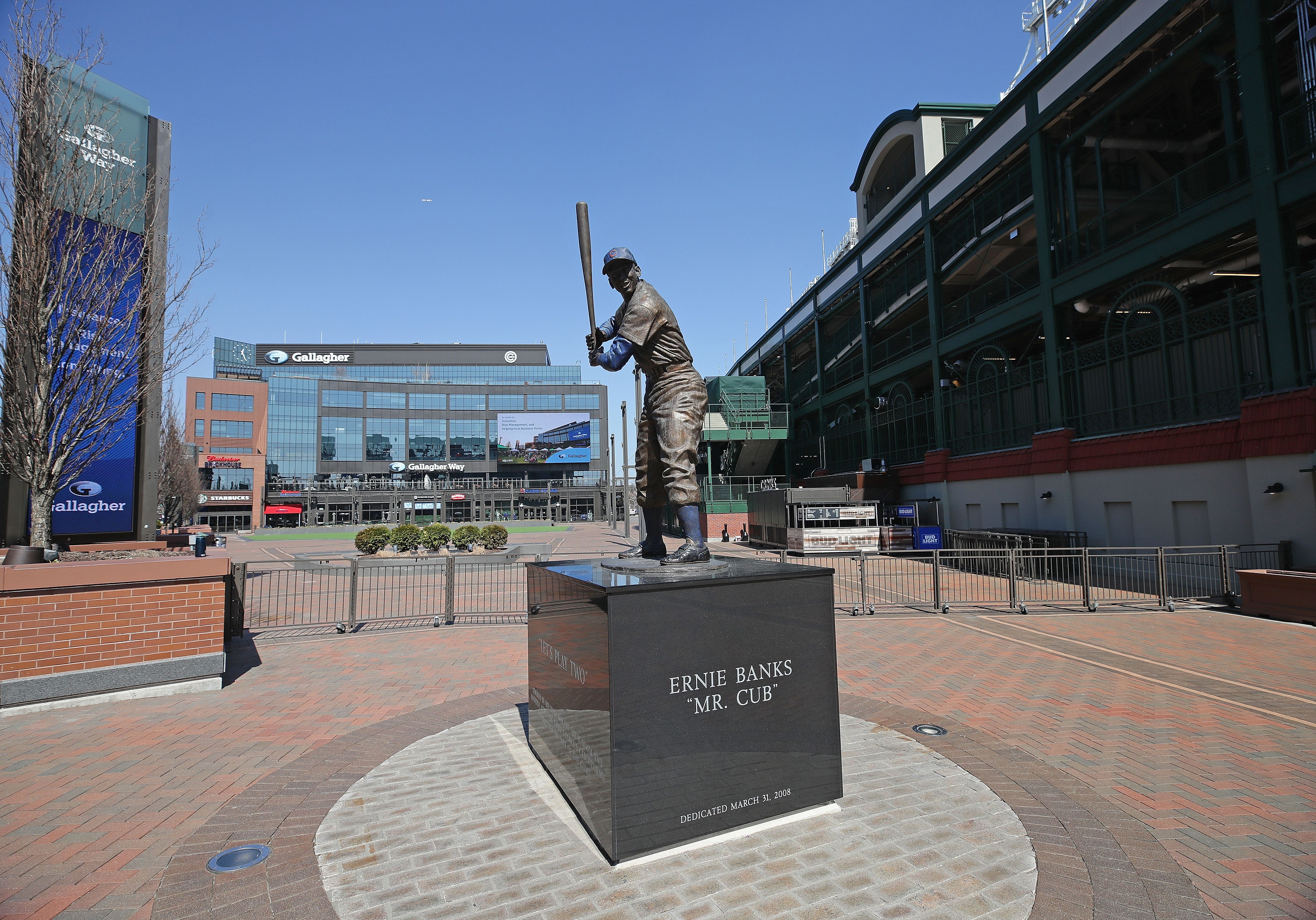
From Chatham to Wrigley: Ernie Banks' CTA commute and Black Chicago history


Add Axios as your preferred source to
see more of our stories on Google.
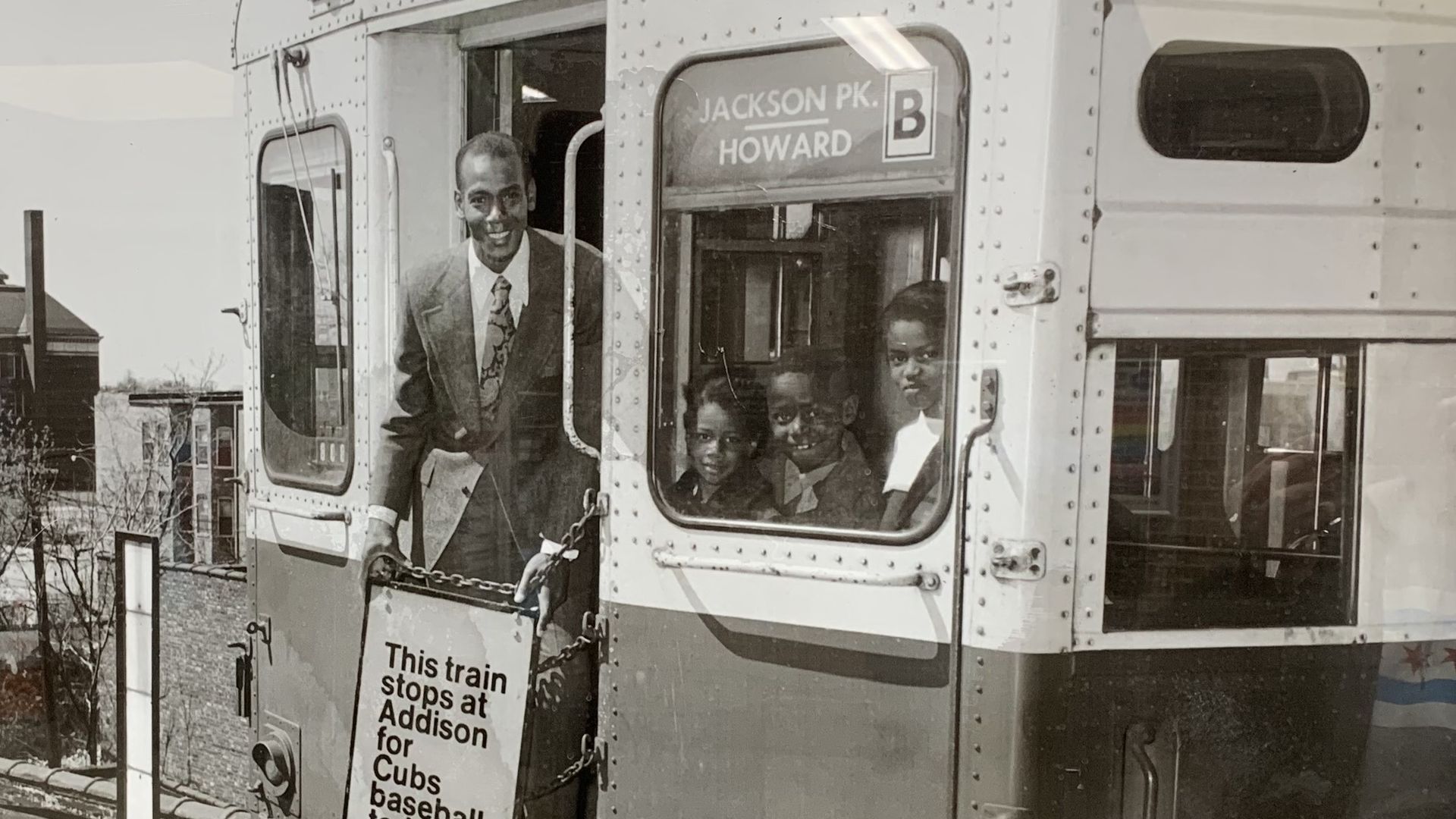
This old photo of Ernie Banks taking the CTA train hangs in the Addison Red Line stop lobby. Photo: Justin Kaufmann/Axios
The Chicago Transit Authority highlighted late Cubs Hall of Famer Ernie Banks for Black History Month, celebrating his avid use and support of the city's rail system during and after his career.
The big picture: In 1953, Banks — known as Mr. Cub — became the first African American to play for the franchise. He lived in Chatham on the South Side but took the CTA Northbound to Wrigley Field every day, often sitting and talking with fans as he approached the ballpark.
Yes, but: While Banks' commute has been celebrated, the young Black ballplayer didn't have a choice.
- In his playing days, Chicago's segregation and redlining laws prohibited Banks from living on the North Side of Chicago, near Addison and Clark Street.
- It's an ugly part of history that later propelled Banks to serve on the CTA board. He worked to help the public transit agency keep in touch with Black riders on the South and West Sides of Chicago.
Between the lines: Banks' daily commute traces a living timeline of Black Chicago, from segregation to civic leadership to cultural celebration.
- Banks died in 2015.
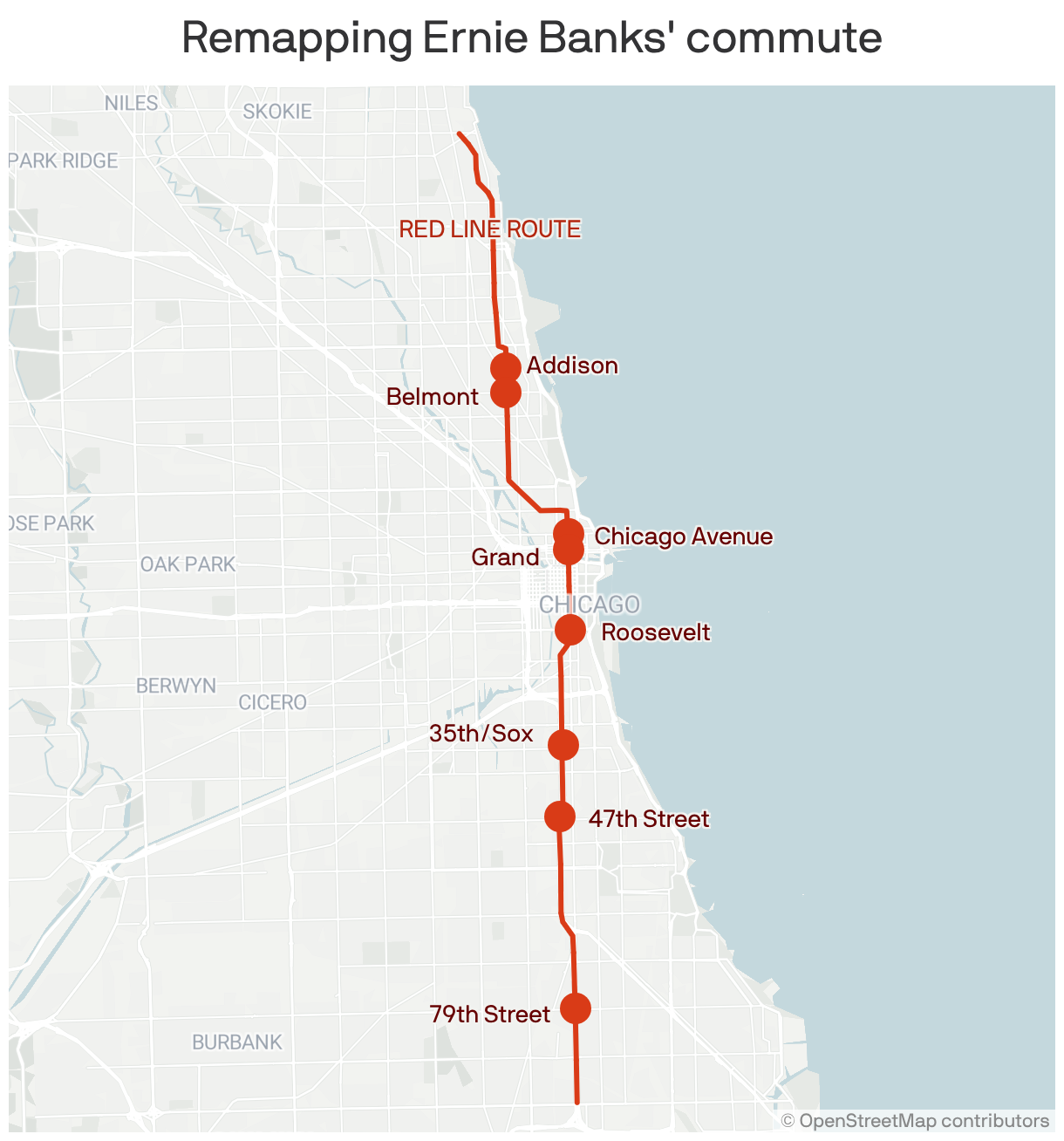
Here's a quick look at what Banks would see out the window today on his famous commute:
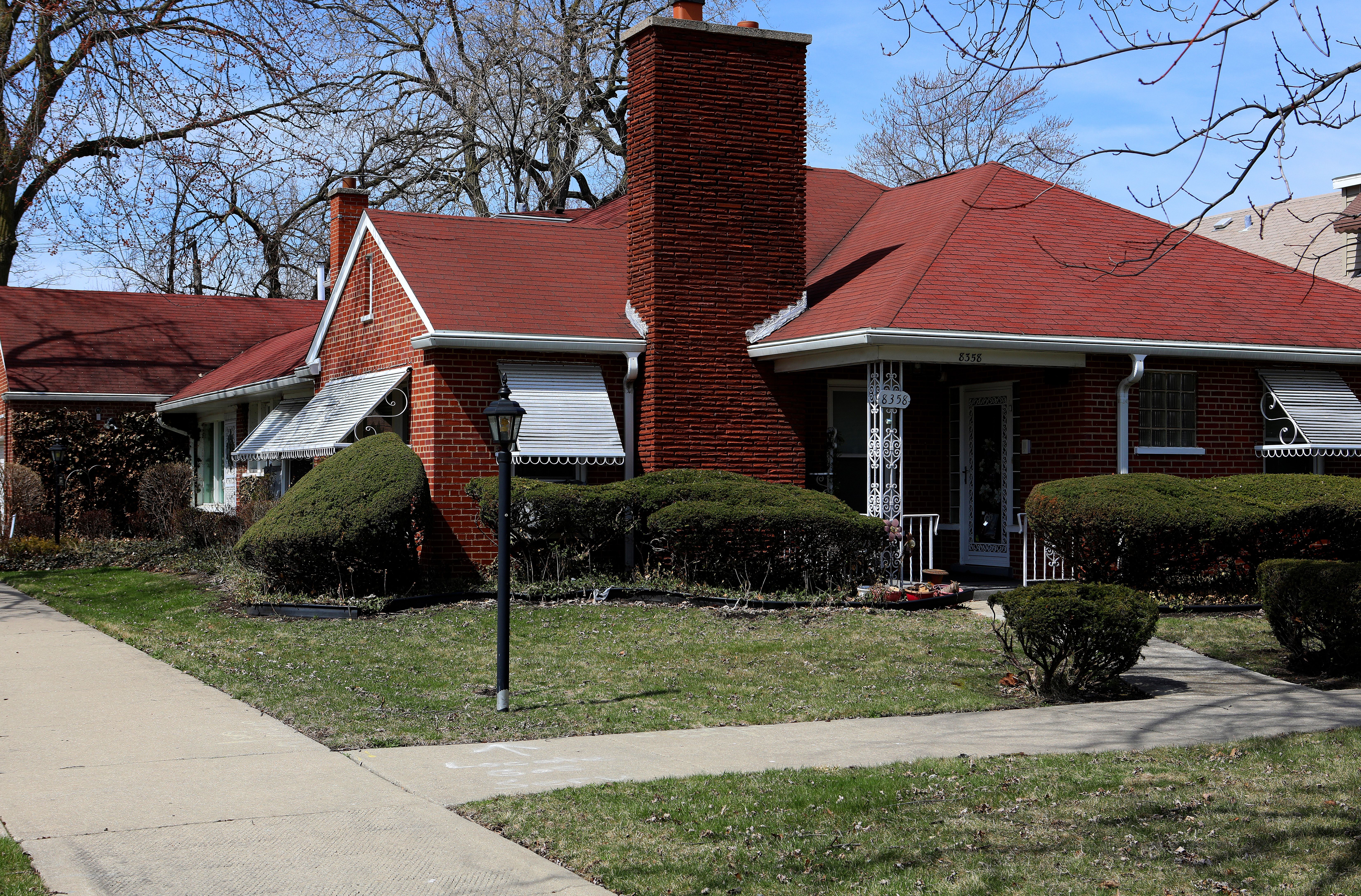
Mahalia's Mile: Banks lived at 82nd and Rhodes, so he'd walk a couple blocks west to board the Red Line at 79th and State. In 2022, a new plaza opened, Mahalia Jackson Court, honoring the famous gospel singer and Chatham resident.
- The plaza is part of the city's Mahalia's Mile initiative, which is designed to redevelop the corridor along 79th Street.
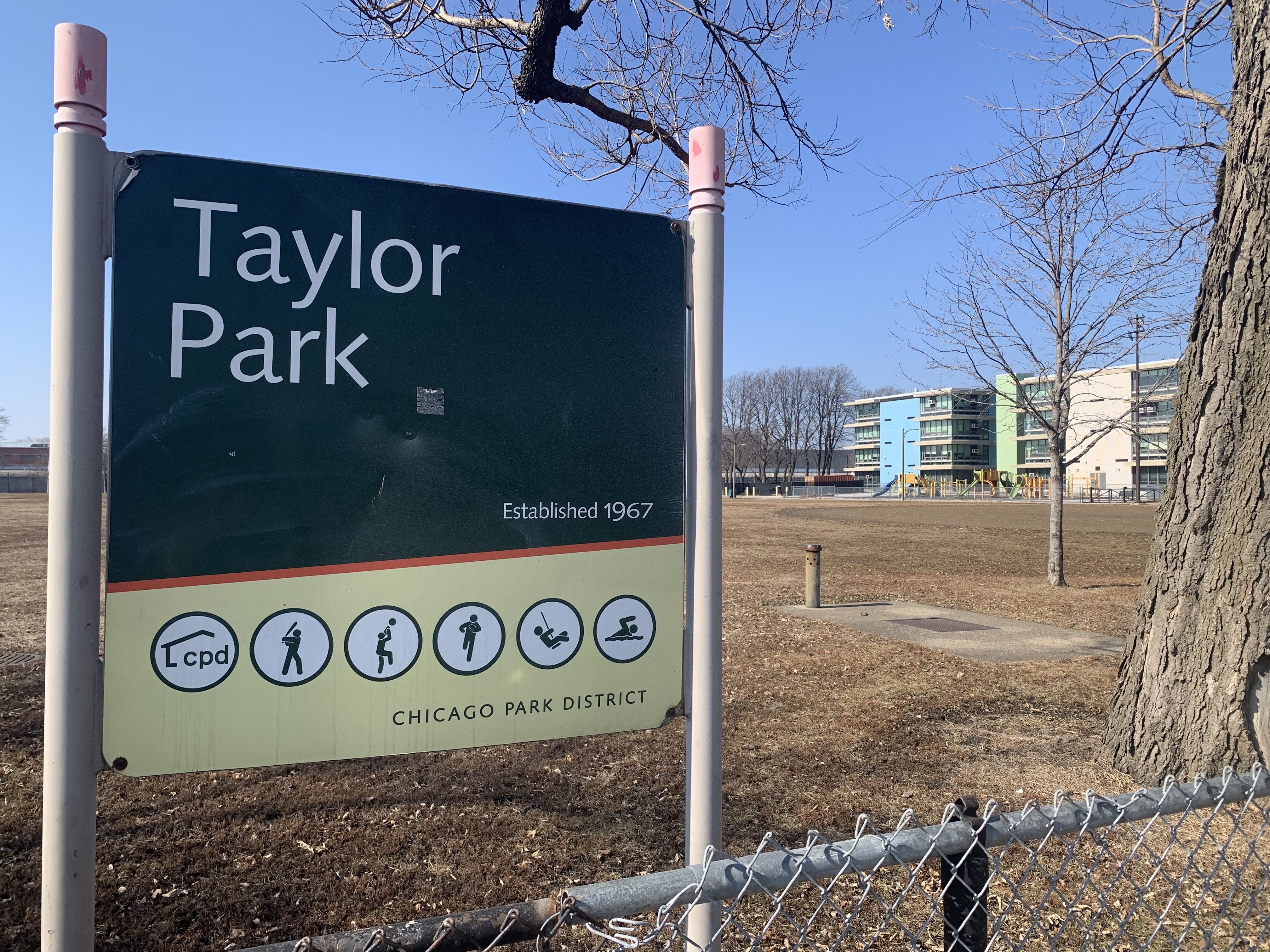
Robert Taylor Park: This park is near the former Robert Taylor Homes, once America's largest public housing project. In Banks' days, he would have seen the hulking towers, but they were fully demolished by 2007.
- The park is named in honor of the first Black person to head the Chicago Housing Authority.
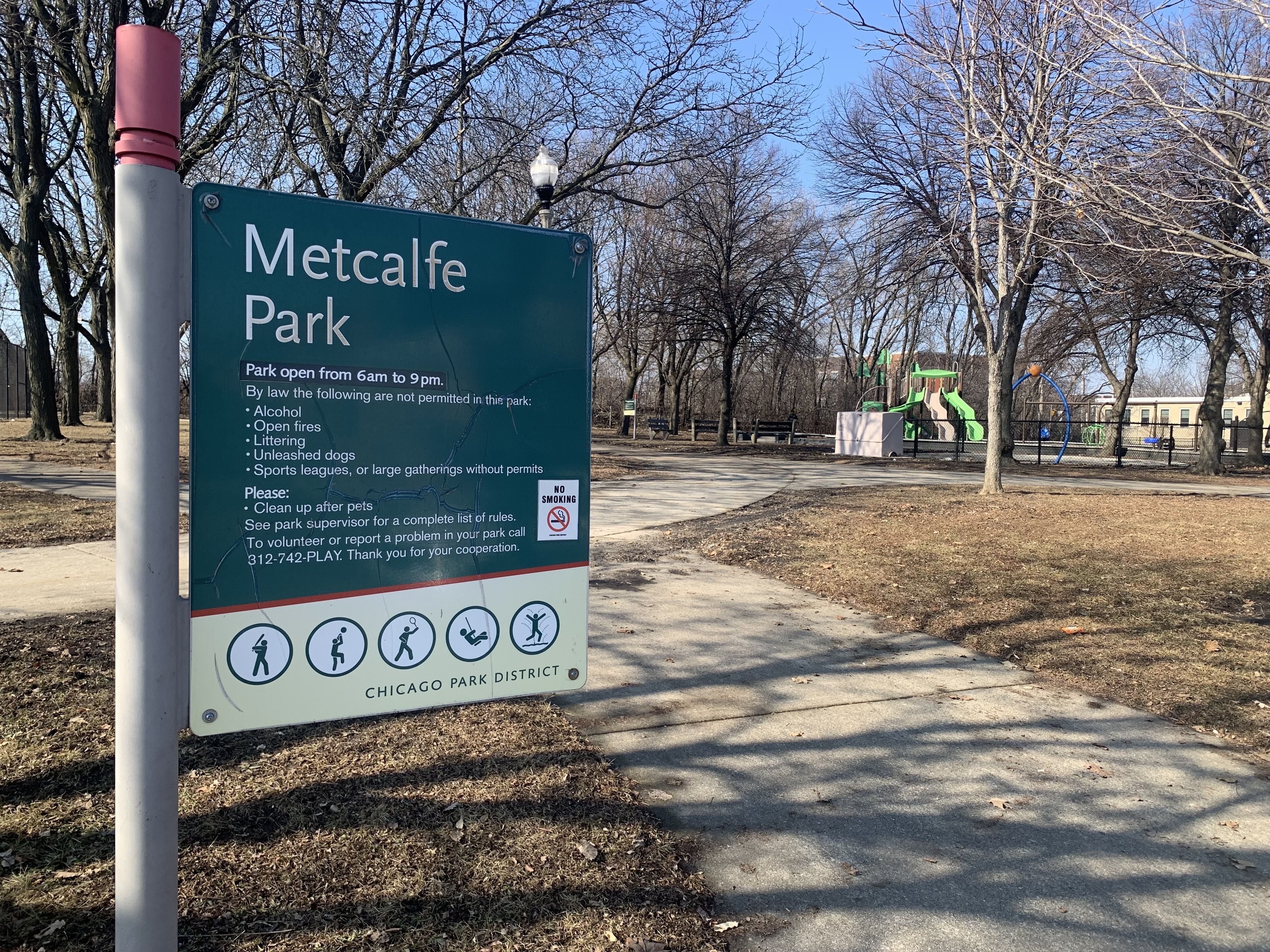
Metcalfe Park: This was an old coal yard in Banks' playing days, but the Chicago Park District began trying to acquire it during his final season with the Cubs.
- The land was eventually redeveloped and named after Ralph Metcalfe, a Black track star and Olympic medalist who later served as an alderman and congressman.
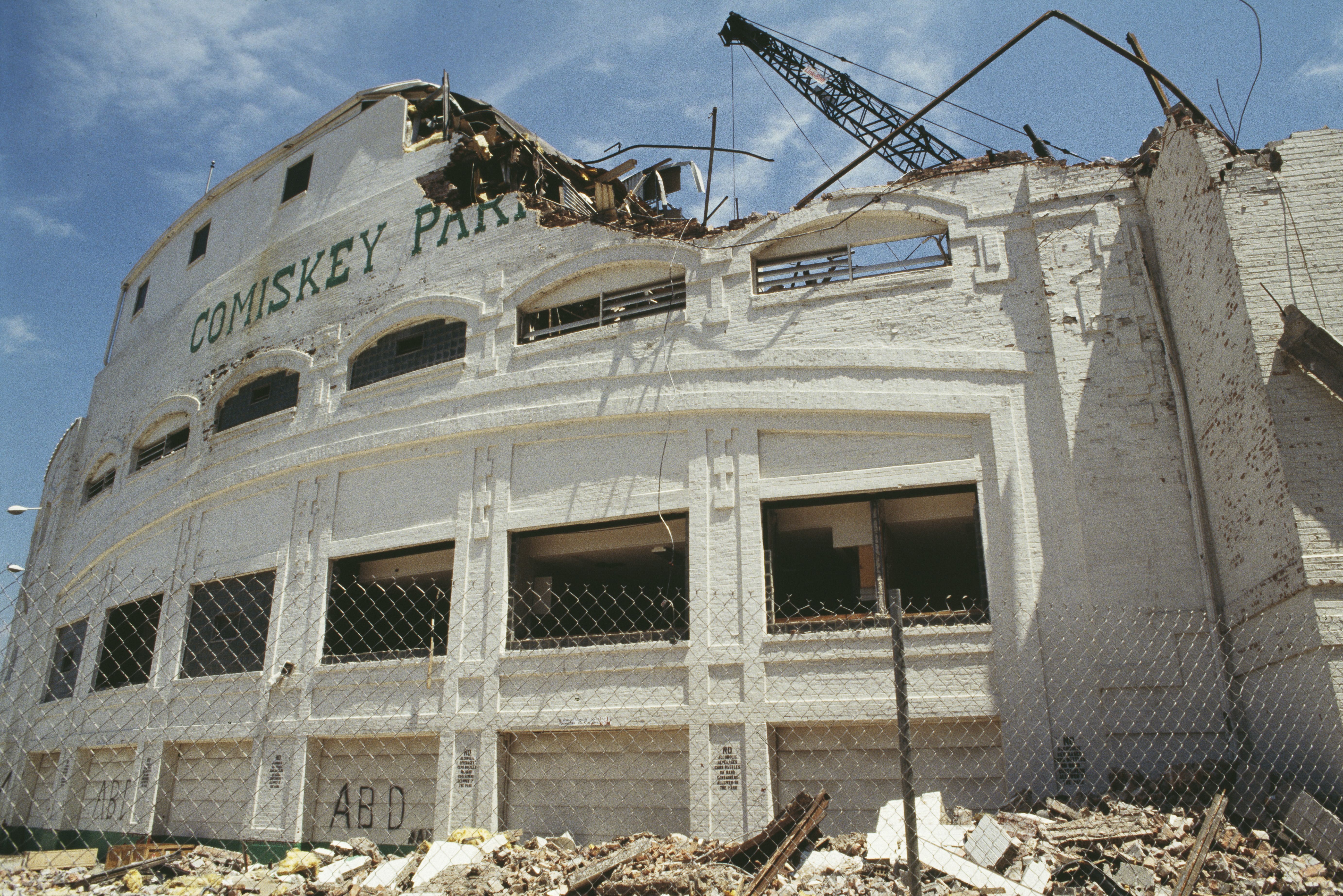
Comiskey Park: The stadium hosted the first Negro Leagues East-West All-Star Game and is where the first Black MLB player in Chicago played (Minnie Minoso for the White Sox).
- Nearby, Frank Thomas later became one of baseball's most dominant Black Hall of Famers.
Williams Park: This park is located in the Douglas neighborhood, where many Black residents who arrived in Chicago from the rural South lived after World War I. It's named for Dr. Daniel Hale Williams, a Black graduate of Chicago Medical College in the late 1800s who was kept from joining any city hospital staff.
- He founded a hospital that offered the nation's first nursing school for Black students, and he later performed the world's first successful open-heart surgery.
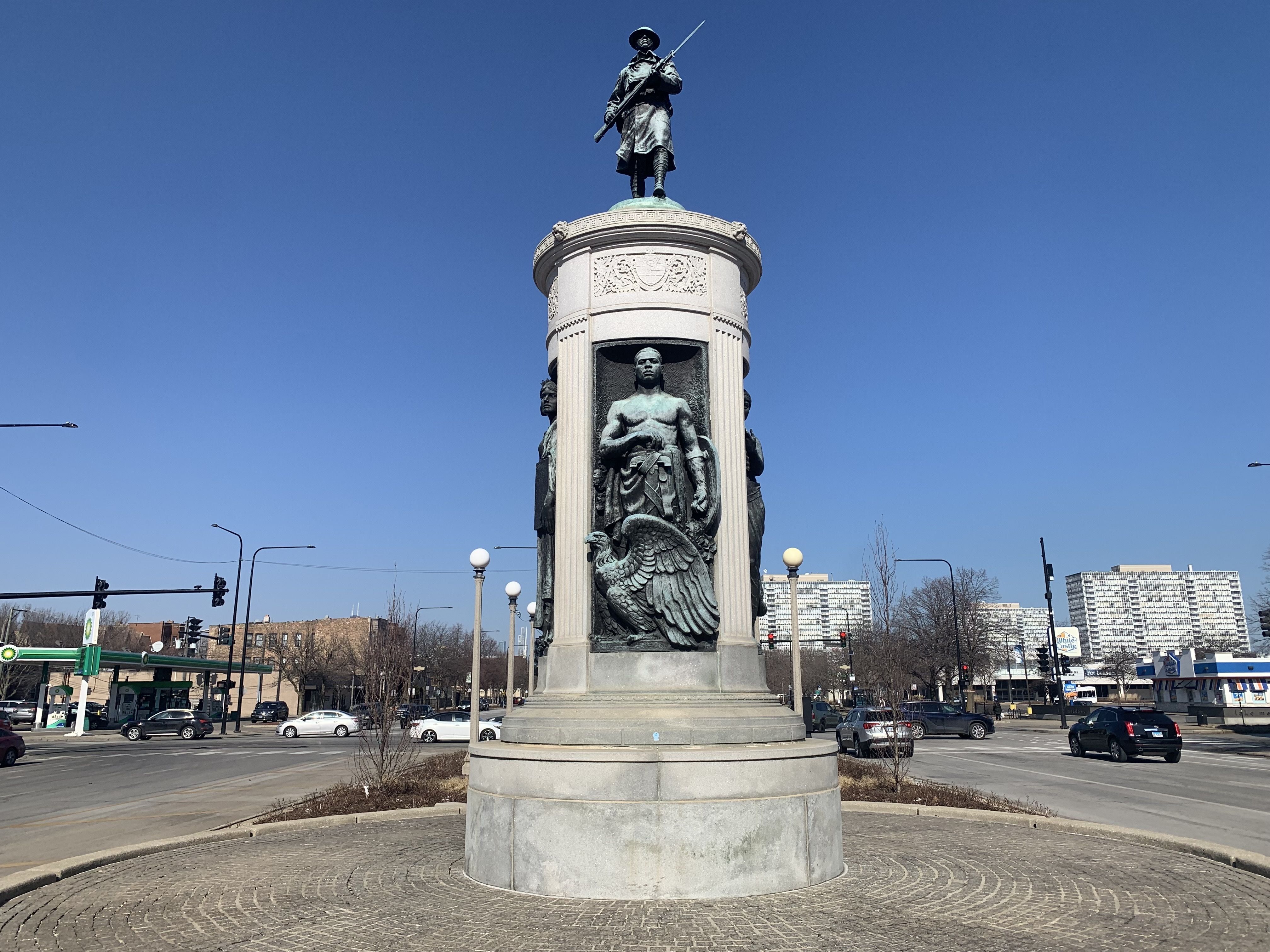
The Bronzeville Walk of Fame: If Banks walked east from the 35th Street/Sox station to King Drive, he'd see the Bronzeville Walk of Fame, featuring monuments and plaques of prominent Black Chicagoans ranging from war heroes to authors.
- If he hoofed it a couple more blocks, he'd see The Light of Truth Ida B. Wells National Monument, erected in 2021.
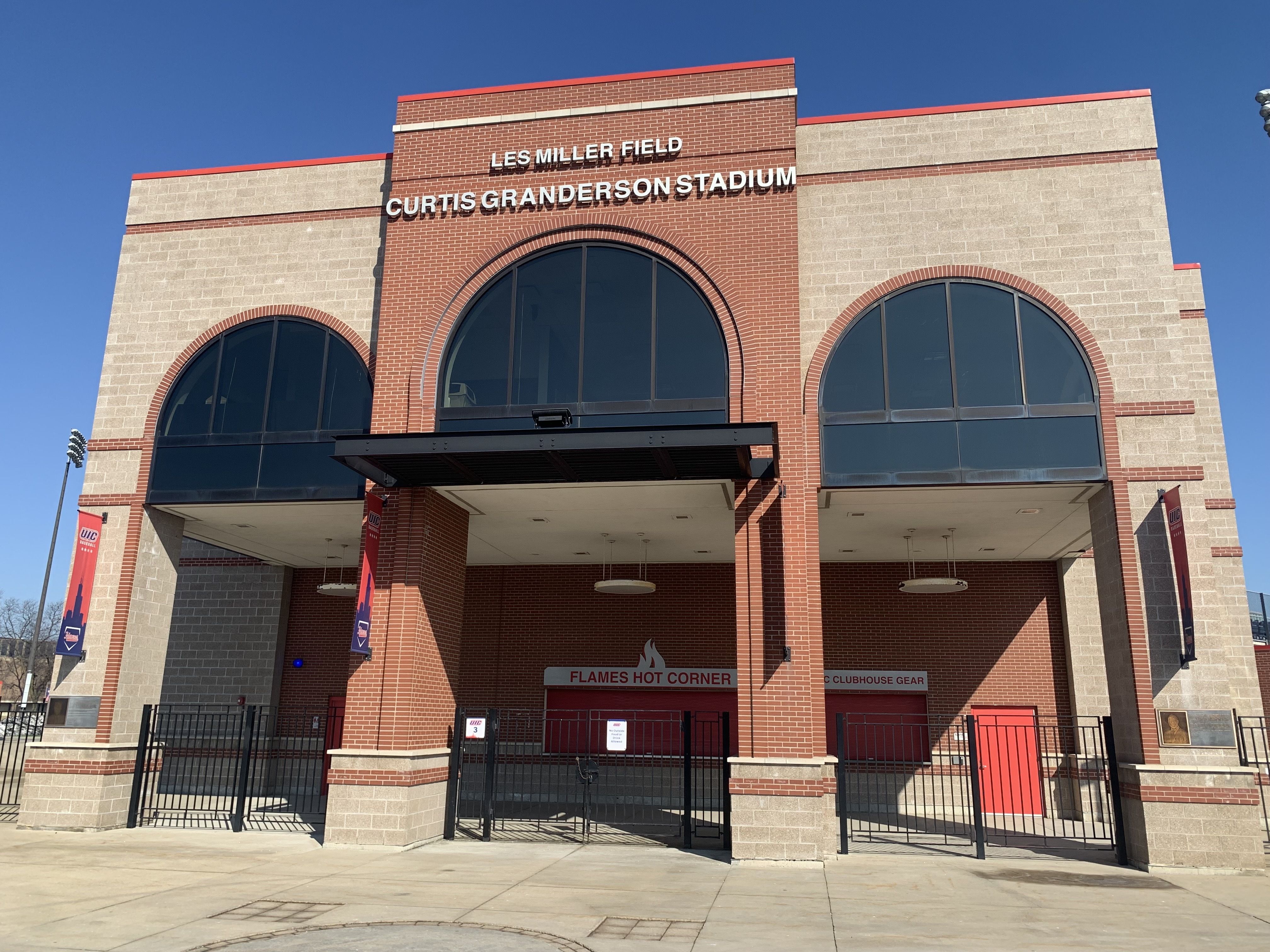
Curtis Granderson Stadium: While the Red Line goes underground at Roosevelt Street, Banks could get off and walk west to see the UIC baseball stadium near Roosevelt and Halsted.
- Opened in 2014, a year before Banks' death, the stadium is named after Curtis Granderson, a three-time MLB All-Star who was vocal about the declining number of Black players in modern professional baseball.
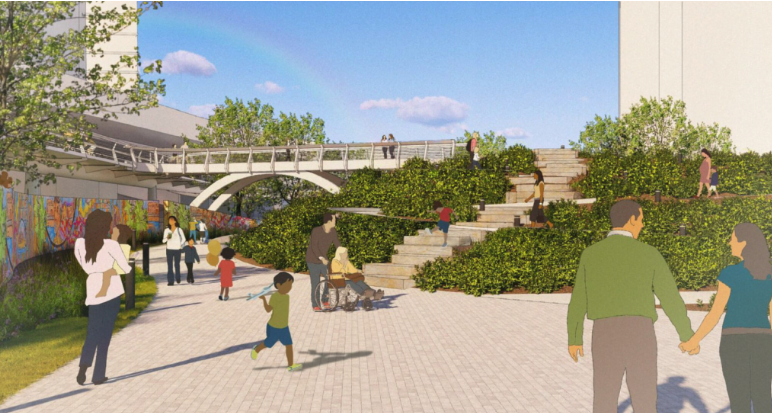
DuSable Park: If Banks popped up at the Grand station and took the trolley to Navy Pier, he could get a glimpse of new construction at the mouth of the Chicago River and Lake Michigan.
- The new lakefront park is expected to be finished in 2027 and is named after Jean Baptiste Point du Sable, who is now rightfully considered the founder of the city of Chicago.
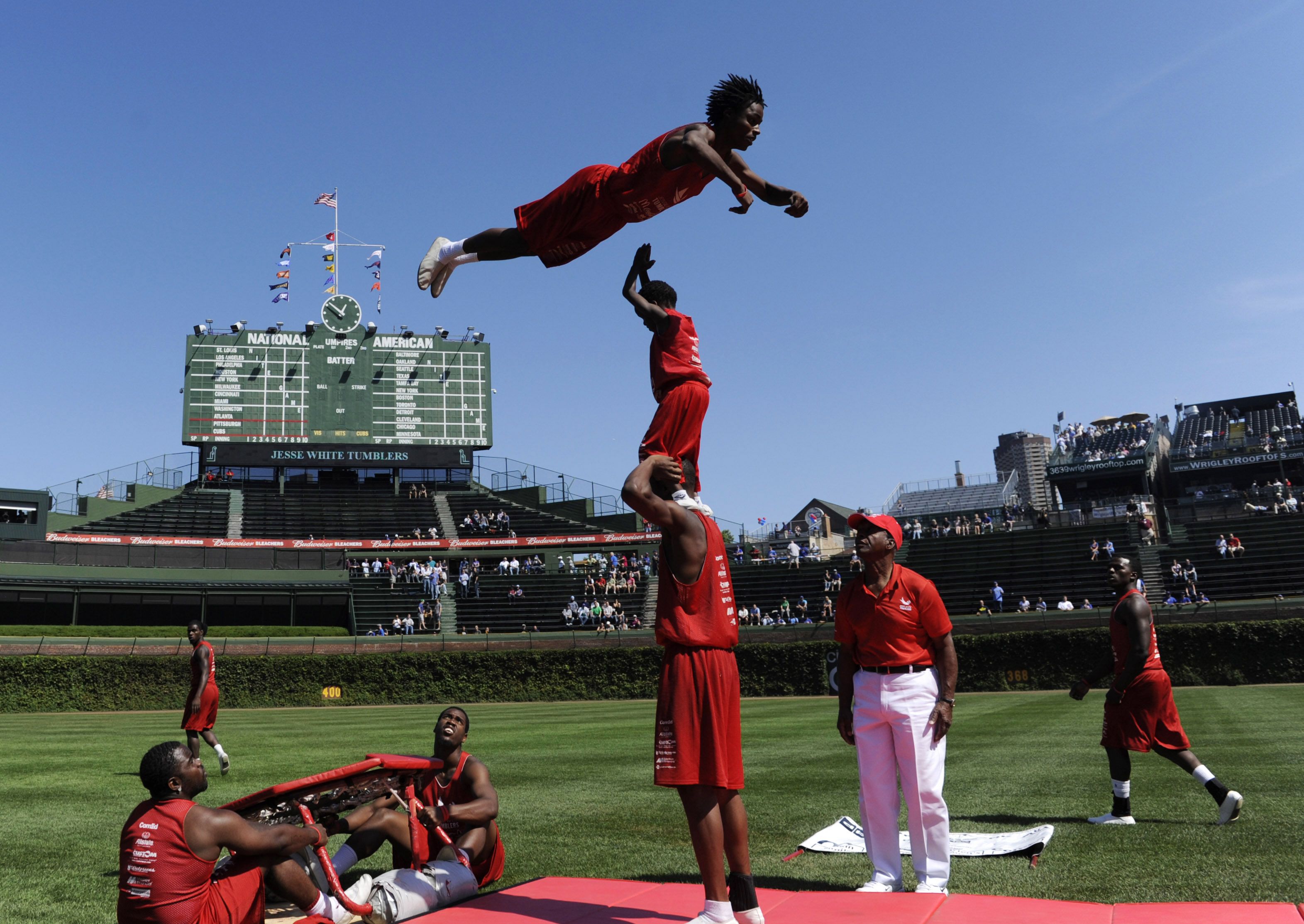
Jesse White Park and Community Center: If Banks left the subway at Chicago Avenue and walked west, he'd eventually stumble across the new Jesse White Center.
- The former Illinois secretary of state and the namesake of the legendary Jesse White Tumblers opened a recreation center in 2014.
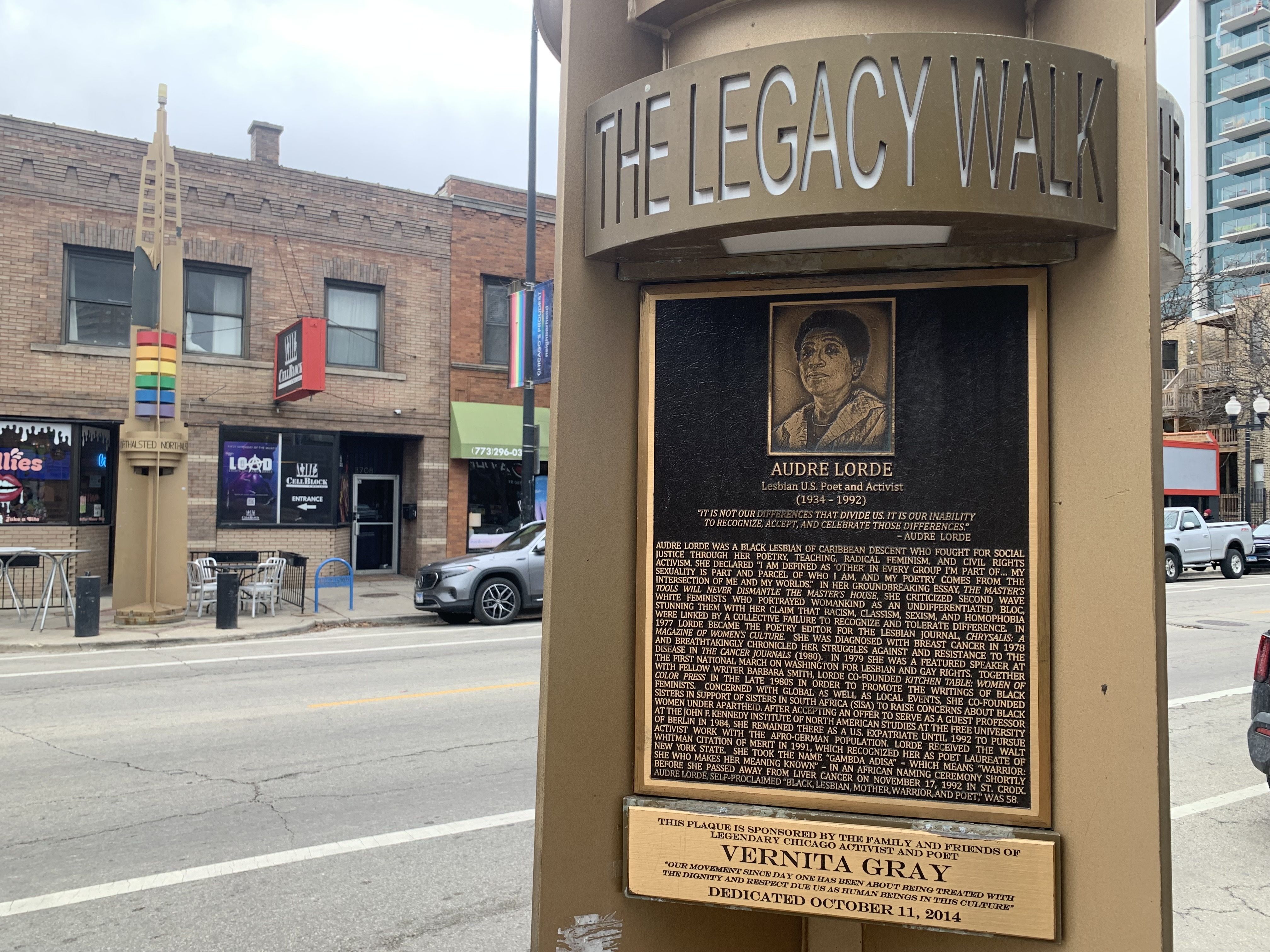
The Legacy Walk: When Banks' train would rumble into the Belmont Avenue station, he could look east to Halsted Street to see the beginning of the rainbow pillars that mark the city's Legacy Walk.
- Attached to the pillars are plaques of notable LGBTQ+ figures, including Black creatives and Banks' contemporaries James Baldwin, Josephine Baker and poet Audre Lorde.
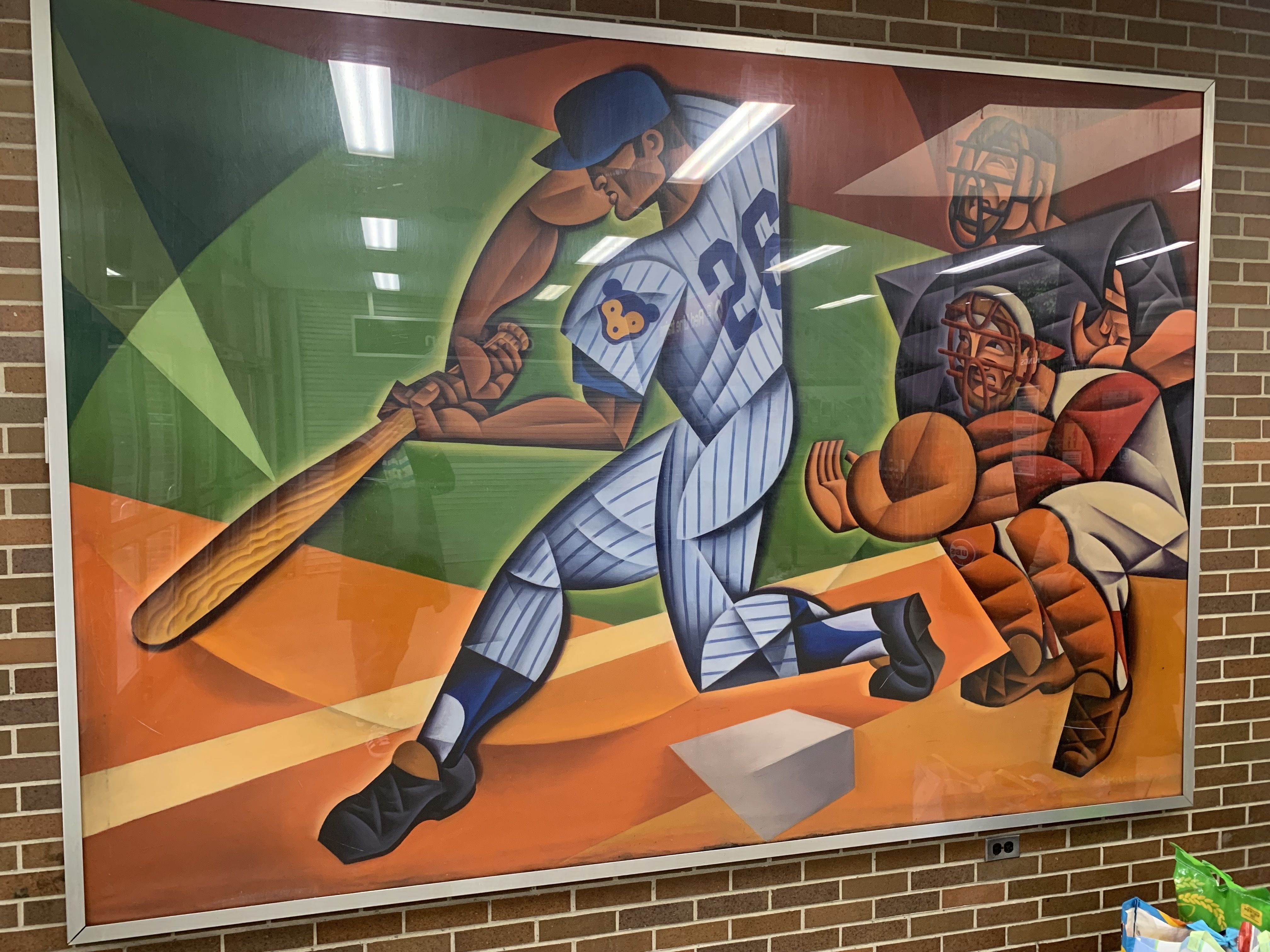
Wrigley Field murals and statues: If Banks arrived at the Addison stop on the Red Line to go to work today, he'd be greeted by a colorful mural of his teammate and friend Billy Williams.
- Once he got to Wrigley Field, he could marvel at one of Chicago's finest statues in Gallagher Way. The 7-foot Banks statue was erected in 2008 with the inscription, "Let's Play Two."