From Operation Breadbasket to Mitsubishi: Jesse Jackson's impact on Chicago

Add Axios as your preferred source to
see more of our stories on Google.
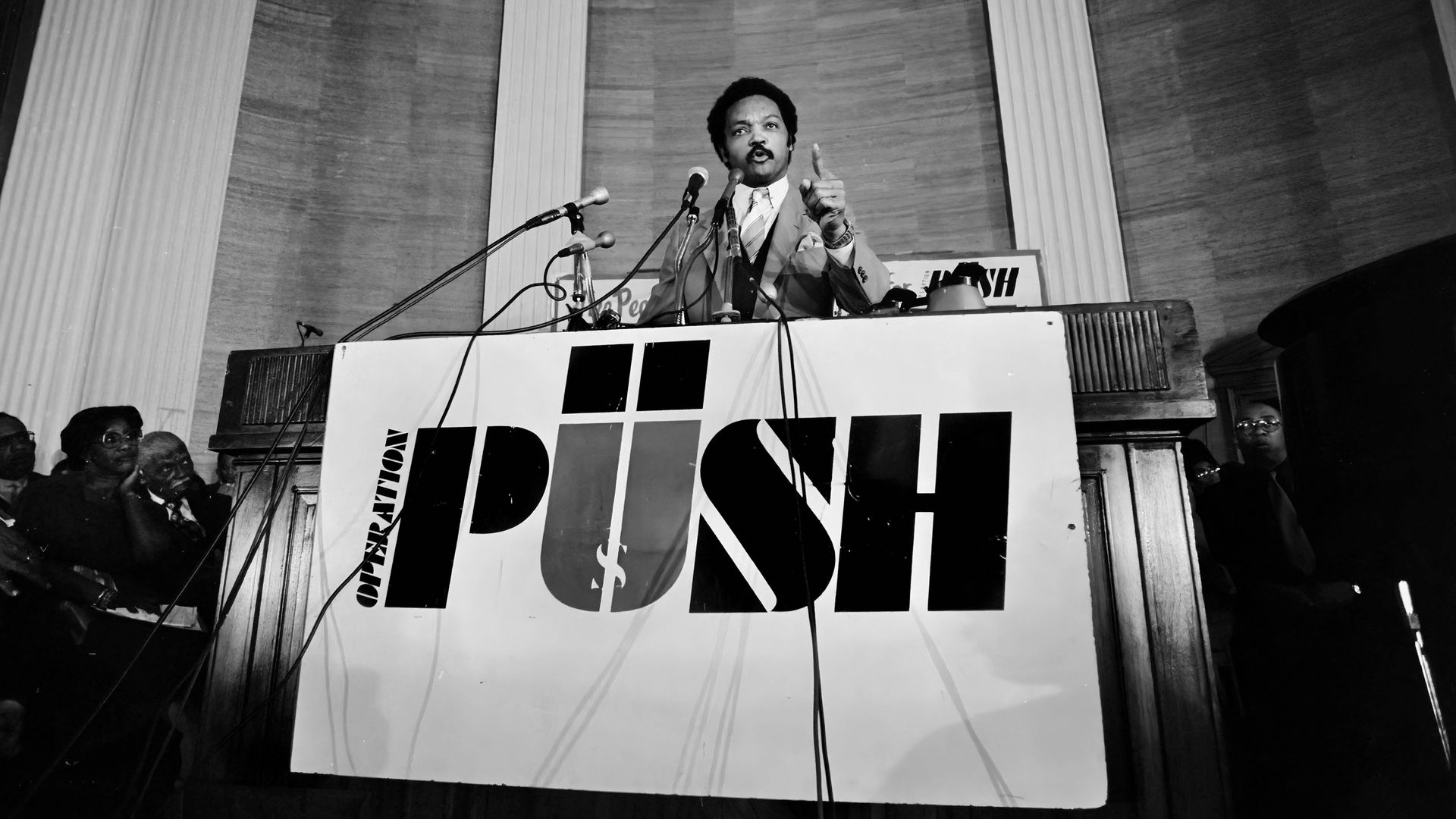
The Rev. Jesse Jackson speaks at the headquarters of Operation PUSH in 1981. Photo: Antonio Dickey/Getty Images
Local leaders, lawmakers and residents are mourning the loss of the Rev. Jesse Jackson, who died in his home Monday at the age of 84.
Jackson will always be considered one of the giants of the Civil Rights Movement.
Zoom in: While he made his name on the global stage, he also spent decades on the ground in Chicago, fighting racism and intolerance with movements, protests and boycotts.
Zoom out: The more recent boycotts of large brands over social justice causes are possible because of the success Jackson had throughout his career.
What they said: "We must picket, boycott, march, vote and, when necessary, engage in civil disobedience … We must express our power — the courts are too slow — the judges are too corrupt," Jackson told a South Side crowd in 1971 when introducing Operation PUSH, according to the New York Times.
Here are five of the biggest boycotts that shaped the city we live in:
1966: Operation Breadbasket
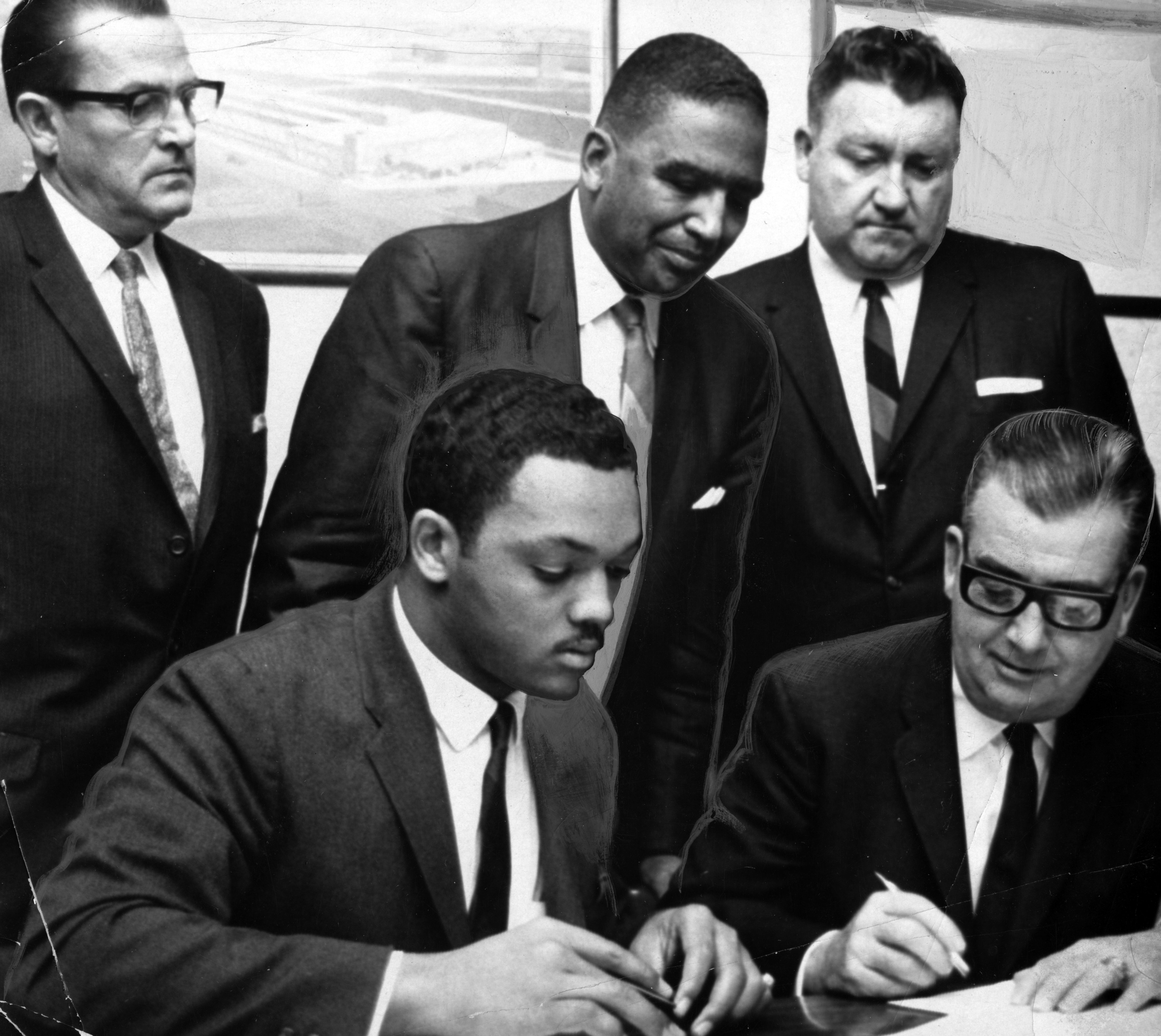
One of Jackson's first missions in Chicago was to shed light on how food companies like Jewel or Pepsi were not hiring Black people for jobs or management positions.
- Operation Breadbasket coincided with the Rev. Martin Luther King Jr.'s Chicago Freedom Movement, which exposed housing discrimination.
The result: According to the Martin Luther King, Jr. Research and Education Institute at Stanford University, Jackson procured over 2,000 jobs for Black workers and $15 million in economic activity for the Black community. He did such a good job that King promoted him.
- After Breadbasket ended in 1971, Jackson broke from King's Southern Christian Leadership Conference to start Operation PUSH.
1982: Anheuser-Busch
Jackson led boycotts against Anheuser-Busch for hiring practices, but also because there were no Black-owned wholesale distributorships at the time.
- It was a national boycott that lasted over a year.
The result: Anheuser-Busch set up a program called the ''enhanced opportunities for black America'' in 1983 to alleviate the pressure and stop the boycott. The program led to the company investing in minority hiring.
Yes, but: Jackson's sons, Yusef and Jonathan, bought an Anheuser-Busch distribution company years later, which led to questions about the motivations of the original boycott.
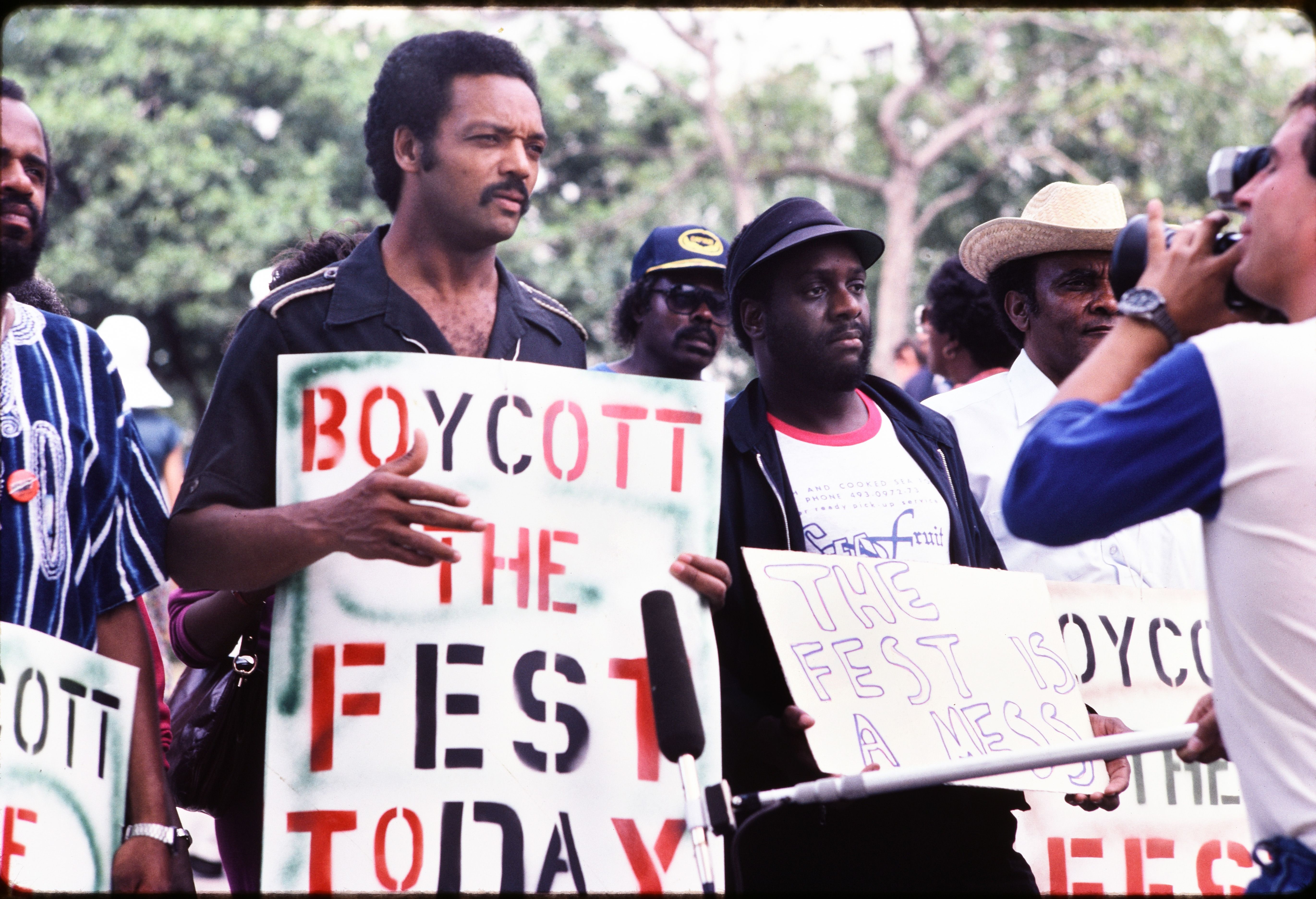
1982: ChicagoFest
Mayor Jane Byrne's city music and food festival was met with an Operation PUSH boycott over the lack of Black vendors at the city-run festival, which was a precursor to the Taste of Chicago.
- It also had to do with city politics, as Jackson was critical of Byrne's Department of Housing, which had just named three white people to the board, while most of the CHA residents were Black.
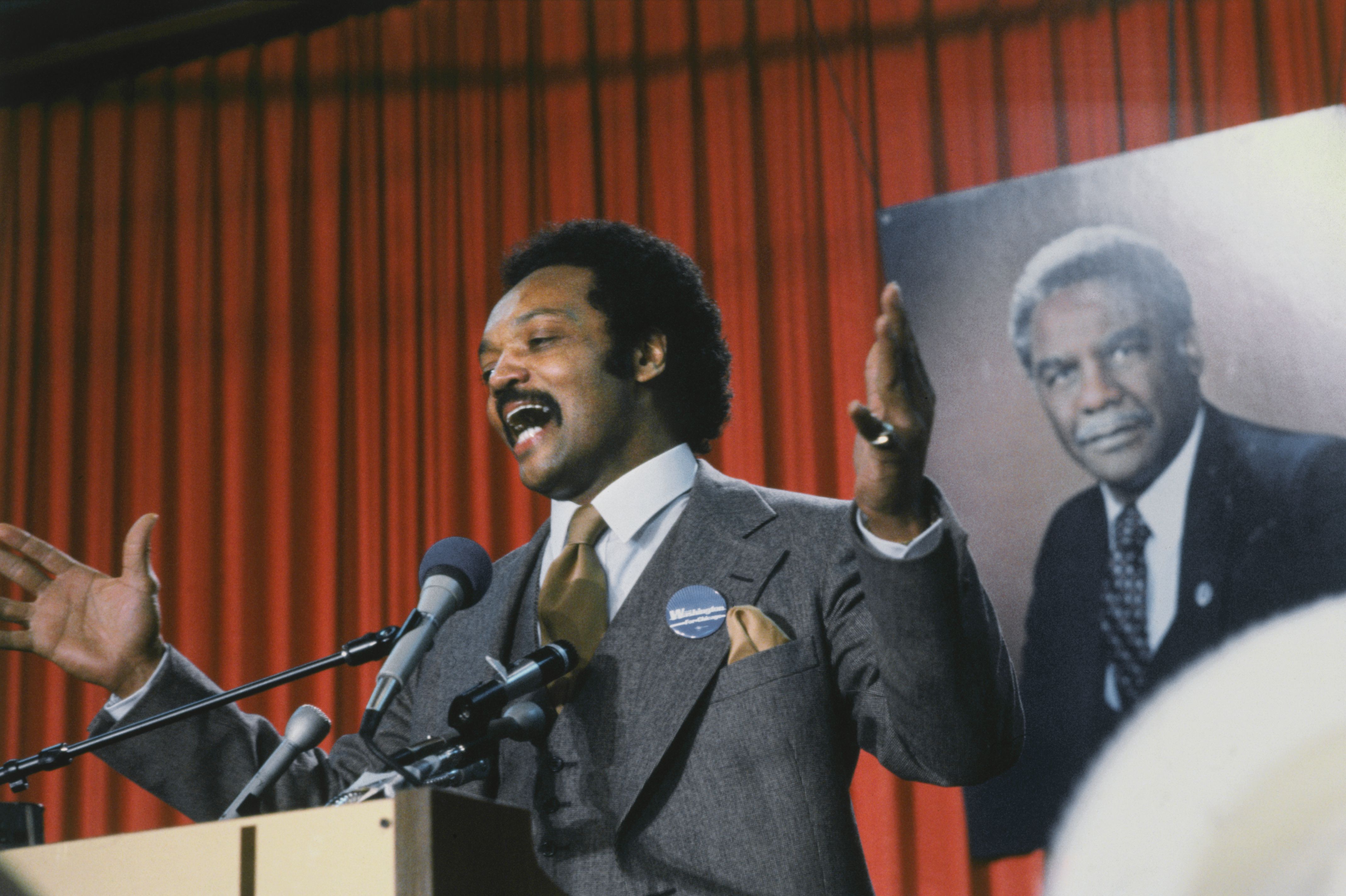
The result: Stevie Wonder backed out as headliner that year, and the boycott galvanized the Black community to get behind a Black candidate for mayor.
- Harold Washington beat Byrne the next year.
1985: WBBM-TV
Jackson led a boycott of Channel 2 after they removed Harry Porterfield from the anchor desk in favor of a Bill Kurtis and Walter Jacobson reunion. Operation PUSH was calling for more Black and female representation in reporting the news.
The result: WBBM-TV settled in 1986 and hired Chicago's first Black general manager, Jonathan Rodgers, and young anchor Lester Holt.
- The boycott reportedly led to Channel 2 losing its Black audience and dropping to third place in the market, where it has been for the better part of the past 40 years.
1997: Mitsubishi Motors
Jackson jumped in to boycott Mitsubishi after lawsuits were filed alleging sexual harassment of female employees at the Normal, Illinois, plant.
Flashback: Jackson and Operation PUSH led an eight-month boycott of the automobile maker, demanding better working conditions for Black and female employees and more representation at dealerships.
The result: Mitsubishi promised to end its hostile work environment and created a minority hiring plan for plants and dealerships. Jackson was successful in getting some of the harassed women their jobs back.
- That plant is now owned and operated by Rivian.