Illinois tells hunters: No drones, AI or e-bikes

Add Axios as your preferred source to
see more of our stories on Google.
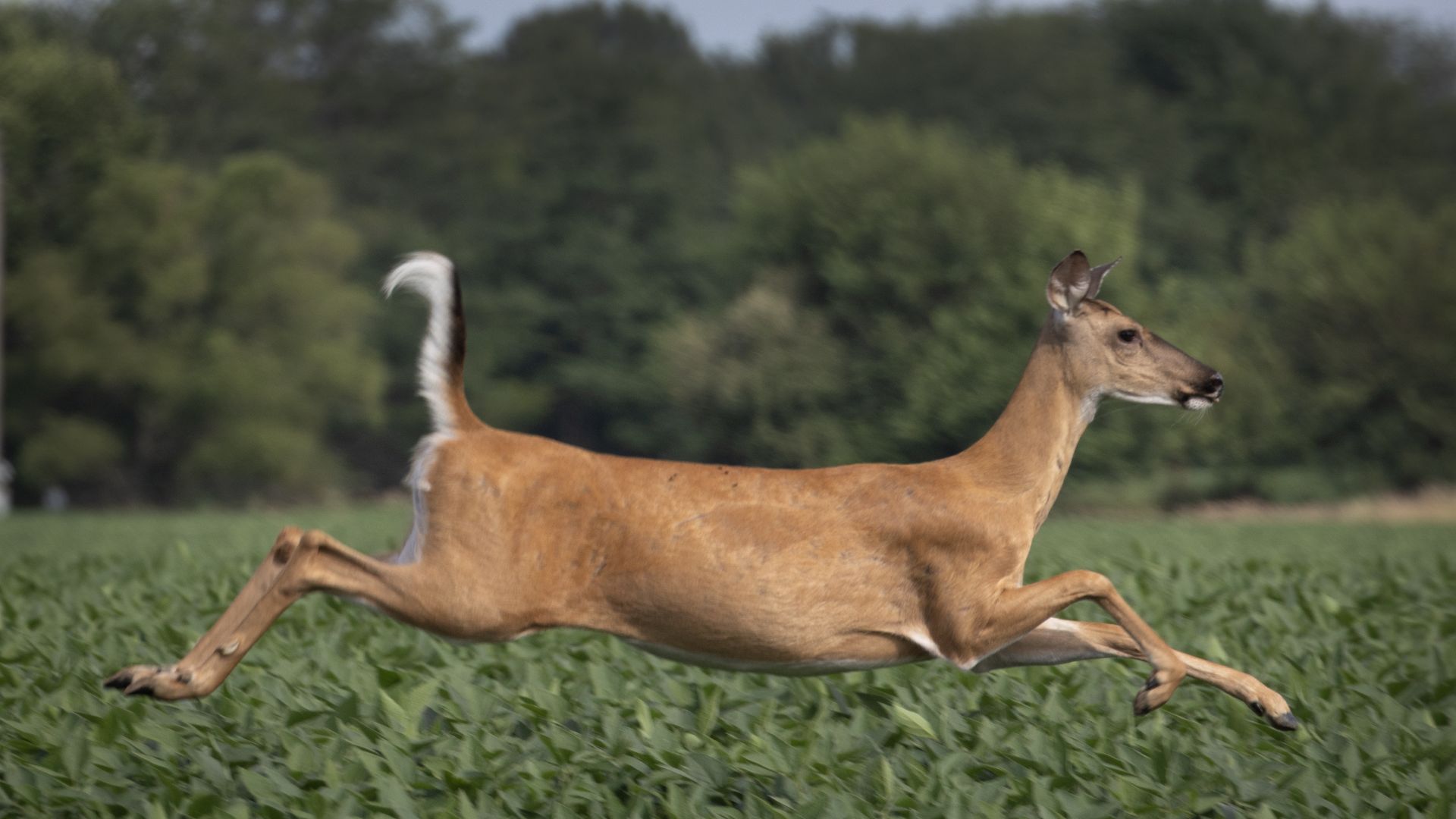
A deer leaps in a soybean field in Clinton Illinois. Photo: Scott Olson/Getty Images
Illinois officials are warning hunters to knock it off with AI, e-bike and drone usage this deer hunting season.
Why it matters: Applying these new technologies to this age-old sport might seem convenient, but it creates ethical and legal problems.
Here's why they're prohibited:
Drones: The Illinois Department of Natural Resources bans the use of unmanned aircraft for any part of hunting, including using them to track a deer after shooting it.
- Why? The practice "undermines the principles of fair chase and the ethical standards long upheld by hunters," IDNR law enforcement director Jed Whitchurch said in a statement. The rule extends to all hunting seasons.
Artificial intelligence: Programs like ChatGPT, Claude and Gemini are increasingly being used by Illinoisans seeking answers to questions about local hunting regulations. That's a problem.
- Why? Because the AI programs "often return inaccurate and misleading results," IDNR wildlife chief Mike Wefer said in a statement. "Regulations can change over time and may vary depending on season, site or context."
- Instead, Wefer suggests reading primary sources like the IDNR's administrative rules and the latest Hunting and Trapping Digest.
E-bikes: Hunters might find it handy to ride their e-bike to their blind or tree stand on IDNR sites, but they shouldn't.
- Why? Because motorized vehicles can damage these spaces and are therefore "prohibited on IDNR-owned and operated lands for any reason, including hunting and trapping," except on access roads and designated trails.
💭 Monica's thought bubble: As a former Illinois deer hunter, I can see how some of these technologies would be tempting to use.
- But one of the big reasons I took up the sport was to take a break from all the tech and get back in touch with nature.
What's next: Illinois' deer hunting season runs through Jan. 18, 2026.