Judge considers imposing reforms at ICE facility in Chicago suburb


Add Axios as your preferred source to
see more of our stories on Google.
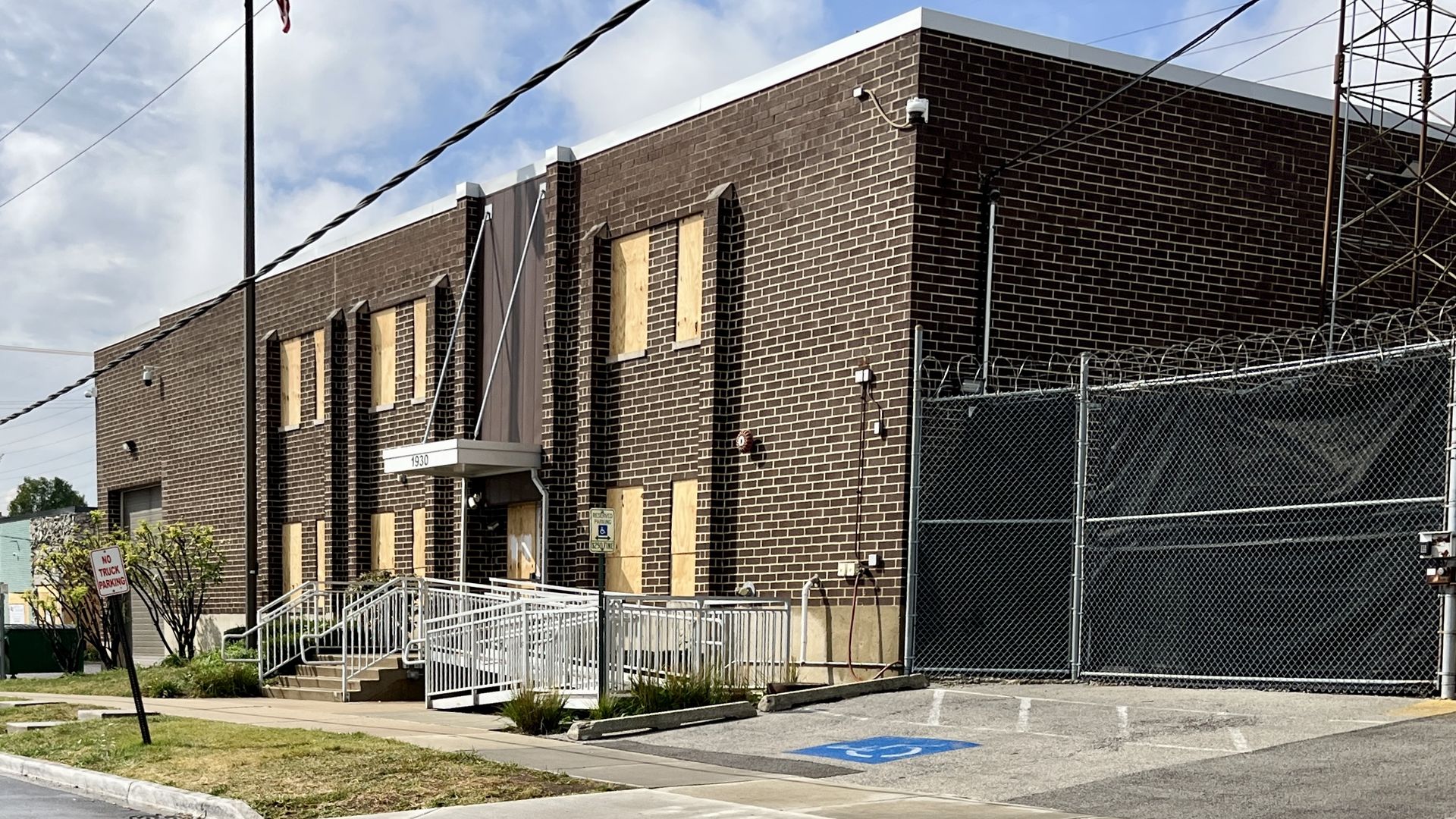
The ICE processing facility in Broadview. Photo: Monica Eng/Axios
A federal judge on Tuesday said he'd need another day to rule on reforming conditions at the federal immigration processing facility in Broadview, a suburb of Chicago.
Why it matters: Accountability and transparency questions about the windowless facility have driven high-profile demonstrations by non-violent protesters and failed attempts by members of Congress to enter for months.
The big picture: The hearing comes in response to a class-action lawsuit filed last week on behalf of Pablo Moreno Gonzalez and other former Broadview detainees against officials at the Department of Homeland Security, alleging filthy, crowded conditions and "inhumane treatment."
- The complaint also claims detainees are being denied communication with lawyers and being coerced into signing self-deportation waivers that they cannot read.
Context: For years, the Broadview facility has served as an Immigration and Customs Enforcement (ICE) processing facility designed to hold people for fewer than 12 hours.
- But in June, DHS officials quietly expanded permissions to 72 hours despite the lack of beds, showers, private bathrooms or medical care.
What they're saying: The hearing featured hours of testimony by former detainees who described cold, crowded, dirty rooms filled with more than 100 people, hard chairs, overflowing toilets, lights on 24 hours a day, sick people and foil blankets on the floor.
- Two detainees testified they were kept there for five days.
The other side: Government lawyers admitted to the lack of beds, working showers, private toilets, medical care and private legal communication.
- But they said they've started distributing baby wipes and detaining people for shorter periods before moving them to correctional facilities where they can more easily communicate with lawyers.
Plaintiff attorney Alexa Van Brunt said the temporary restraining order her clients are requesting is "meant to improve things for a short amount of time so people are not suffering as they have been for months and so that people are not forced to sign things that waive their rights for the rest of their life."
- Federal government attorneys argued against the proposed TRO.
Key moments: Government lawyers described non-working showers at Broadview, and Judge Robert Gettleman said, "One is reminded of Auschwitz when one thinks about that."
- "The fact that people are being kept overnight under not just one but multiple conditions that are unnecessarily cruel, if you wanna put a word on it, sleeping shoulder to shoulder next to filthy toilets that are overflowing surrounded by human waste is unacceptable," Gettleman said in closing.
- Attorneys quibbled about whether detainee meals come from Subway or Jimmy John's. A consensus emerged around small, cold Subway sandwiches.
- An immigration lawyer said she brought a breast pump to Broadview for a client who was separated from her 4-month-old child, but the pump was never delivered.
- Self-deported Broadview detainee Claudia Carolina Pereira Guevara cried, describing her realization that she could not return to the U.S., where her infant and 5-year-old live, for 10 years. She said immigration officers told her it would be five years when she signed the deportation waiver.
What's next: Gettleman will likely issue a TRO at 4:15pm Wednesday and has asked the defendants for photos from inside the facility to "see what it looks like in there. Since the [plaintiffs'] lawyers have not been able to get in, it would be very helpful to have" those images.