Illinois lawmakers pass a transit deal in the final hours of fall veto session

Add Axios as your preferred source to
see more of our stories on Google.
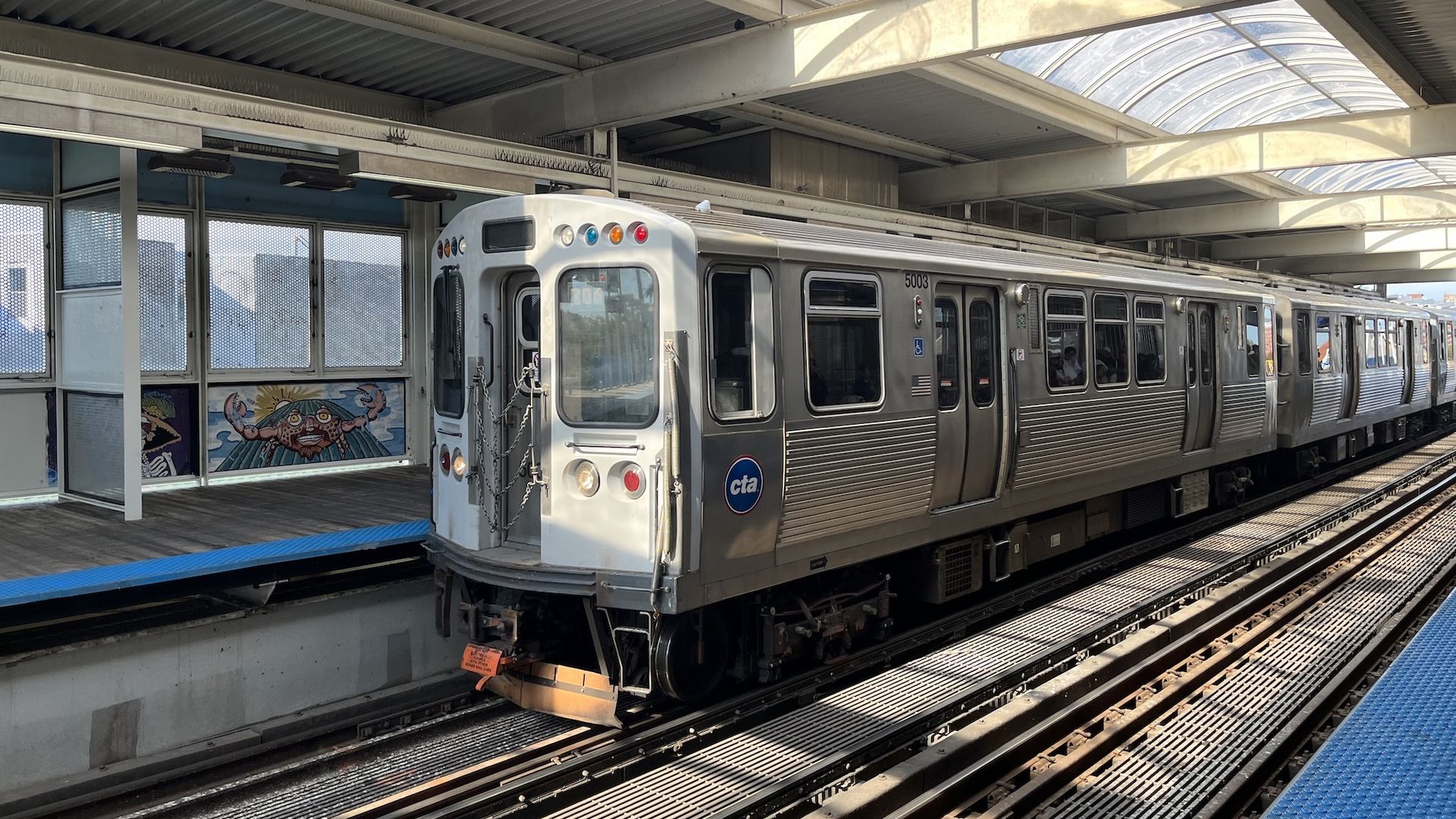
Photo: Carrie Shepherd/Axios
State lawmakers had a few major agenda items to tackle during this month's fall veto session. One of the most pressing — the future of Chicagoland public transit, and after months of negotiations, they got a deal.
Why it matters: The Regional Transportation Authority has been sounding the alarm for more than a year on the need for $1.5 billion as it stares down a fiscal cliff next year, warning about massive service interruptions and job cuts at CTA, Metra and Pace.
Driving the news: Early Friday morning, the Senate passed a transit bill that outlines revenue measures that total more than $1 billion, and the bill now heads to Gov. JB Pritzker's desk.
Context: The bill outlines $860 million in motor fuel sales tax, about $200 million in interest from the state's road fund, and raising the RTA sales tax in Cook and the collar counties.
- The bill also calls for a toll hike on commercial and passenger vehicles by 30% and a 45-cent increase for cars.
- Republican lawmakers who opposed the bill say it diverts money from downstate to fund Chicagoland transit that their constituents don't need.
Catch up quick: The state Senate passed a bill during the spring session that included a $1.50 fee on food and package deliveries, but that hit a roadblock and did not pass in the House.
- Without a guarantee of funding from the state, RTA then instructed each transit agency to draft 2026 contingency budgets without new state funding. The scenarios were bleak — nearly 40 bus routes slashed and 1,800 jobs cut over the next year, according to RTA.
- The CTA is expected to hit its fiscal cliff sooner than Pace and Metra.
What they're saying: "Riders want transit that is safe, reliable, and frequent. This transformational investment of more than $1 billion in new operating funding lays the groundwork to improve service, shorten travel times, and enhance rider experience across the region," RTA said in a statement.
Reality check: Each agency included a fare hike in their 2026 budget, which, if approved, would break down as:
- CTA: Base fare increase from $2.25 to $2.50, single-ride ticket price increase to $3.50, $10 increase for the 30-day pass, and a $5 increase for the seven-day pass.
- Metra: A 13%-15% increase depending on fare type and zones traveled. Examples — a one-way Zone 1-2 ticket rising to $4.25 and a monthly Zone 1-2 pass increasing to $85.
- Pace: An average 10% increase across all services.
Yes, but: The bill states no fare increases for the first year after the bill's passage, according to the Sun-Times.