City Council rejects proposal to ban new fur sales


Add Axios as your preferred source to
see more of our stories on Google.
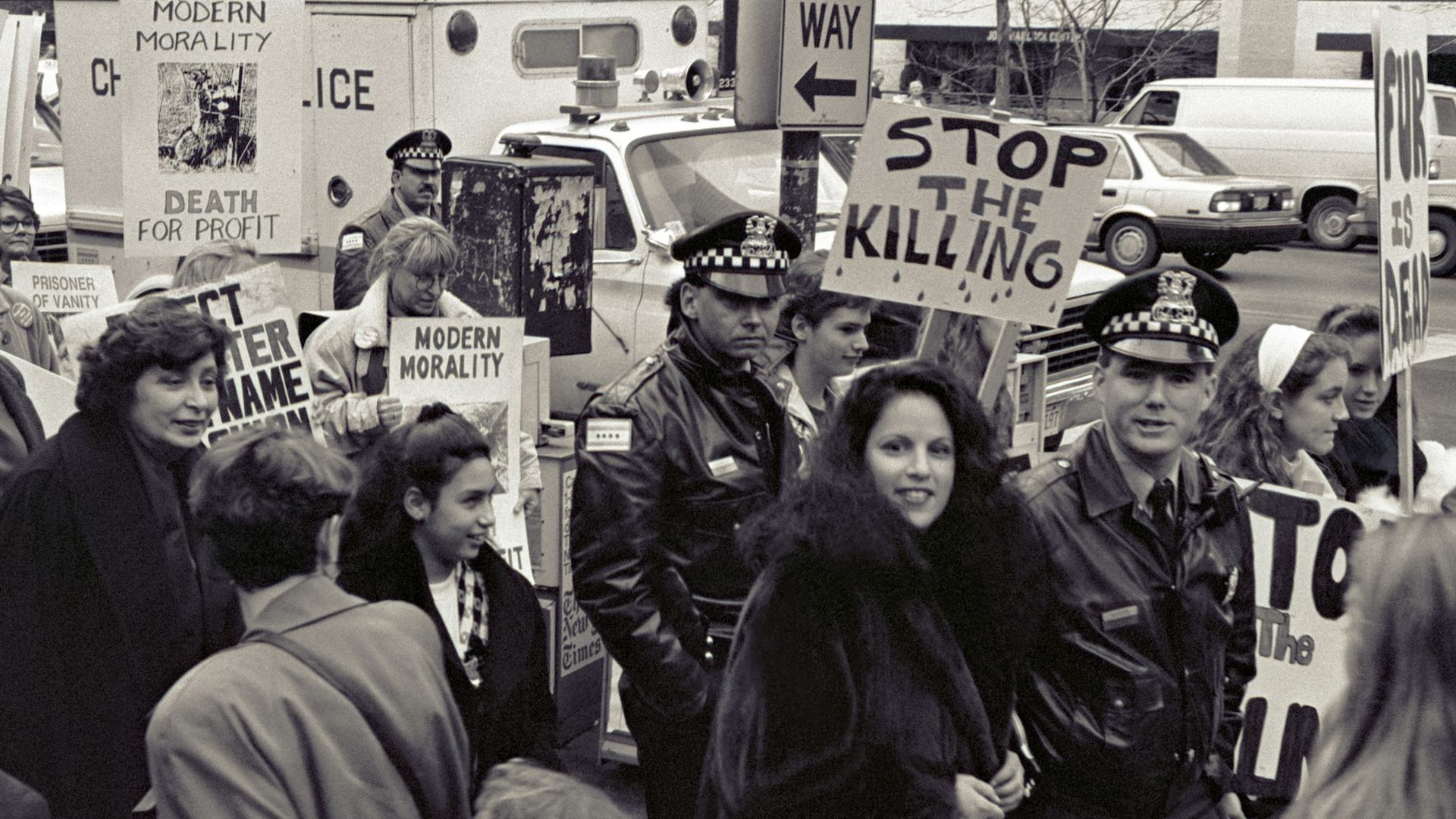
Shoppers make their way through an anti-fur protest on Michigan Avenue in 1991. Photo: Stacia Timonere/Getty Images
The City Council on Wednesday rejected a ban on new fur sales in Chicago. The vote was 19-26.
Why it matters: Chicago would have been the first major metro outside California to ban new fur sales, which supporters say is an important move for animal welfare efforts and opponents warn could hurt local business, especially Black-owned fur shops.
Driving the news: The ordinance introduced by Ald. Ray Lopez (15th) would have banned the sale or distribution of new fur products with specific exemptions and impose a $500 fine per offense.
- "We need to showcase to our children, to Chicagoans, that this body can also stand for having compassion and empathy on how we deal with all things alive moving forward," Lopez said before Wednesday's vote.
The fine print: The law proposed exemptions for the sale of a used fur product and fur used for religious purposes and traditional tribal, cultural or spiritual purposes by a Native American tribe.
State of play: Many designers have committed to at least partial fur bans, including Canada Goose, a popular brand for Chicago's frigid winters, which announced in 2020 it would not buy new fur from trappers.
- In 2023, global fur production plummeted by nearly 40% from the previous year after a decade-long downward trend that saw the industry shrink by 85%, according to Fur Free Alliance.
The other side: Opponents of the ban, including some Black clergy, say a ban would especially hurt Black-owned businesses, including South Side-based Island Furs and Andriana Furs.
- "These businesses are essential to our neighborhoods, providing jobs and supporting families. We need city leadership to celebrate and nurture these contributions," pastor Jarvis Hanson from Mobilizing Preachers and Communities Chicago said in a statement.
- "This proposal is not about animal welfare or public health; it's more about a small group outside Chicago attempting to impose their views on the people of Chicago. History teaches us valuable lessons — consider the ban on foie gras enacted in 2006, which was swiftly repealed in 2008 when many recognized its misguided nature … We should not repeat the same mistake with fur," Mike Brown from the Natural Fibers Alliance told Axios in a statement.
Between the lines: Fur coats, especially those passed down through generations, were an important status symbol for Black Americans, showing their elevated social and economic status while fighting inequity and discrimination.
- "For Black people that migrated from the South to Chicago, it was about financial security and owning a fur represented a significant milestone, not only to personal success, but also to the new world. It's more than a luxury fashion statement. It's a treasured piece of wealth," Ald. Stephanie Coleman (16th) said during Wednesday's meeting.