Dark sky escapes


Add Axios as your preferred source to
see more of our stories on Google.
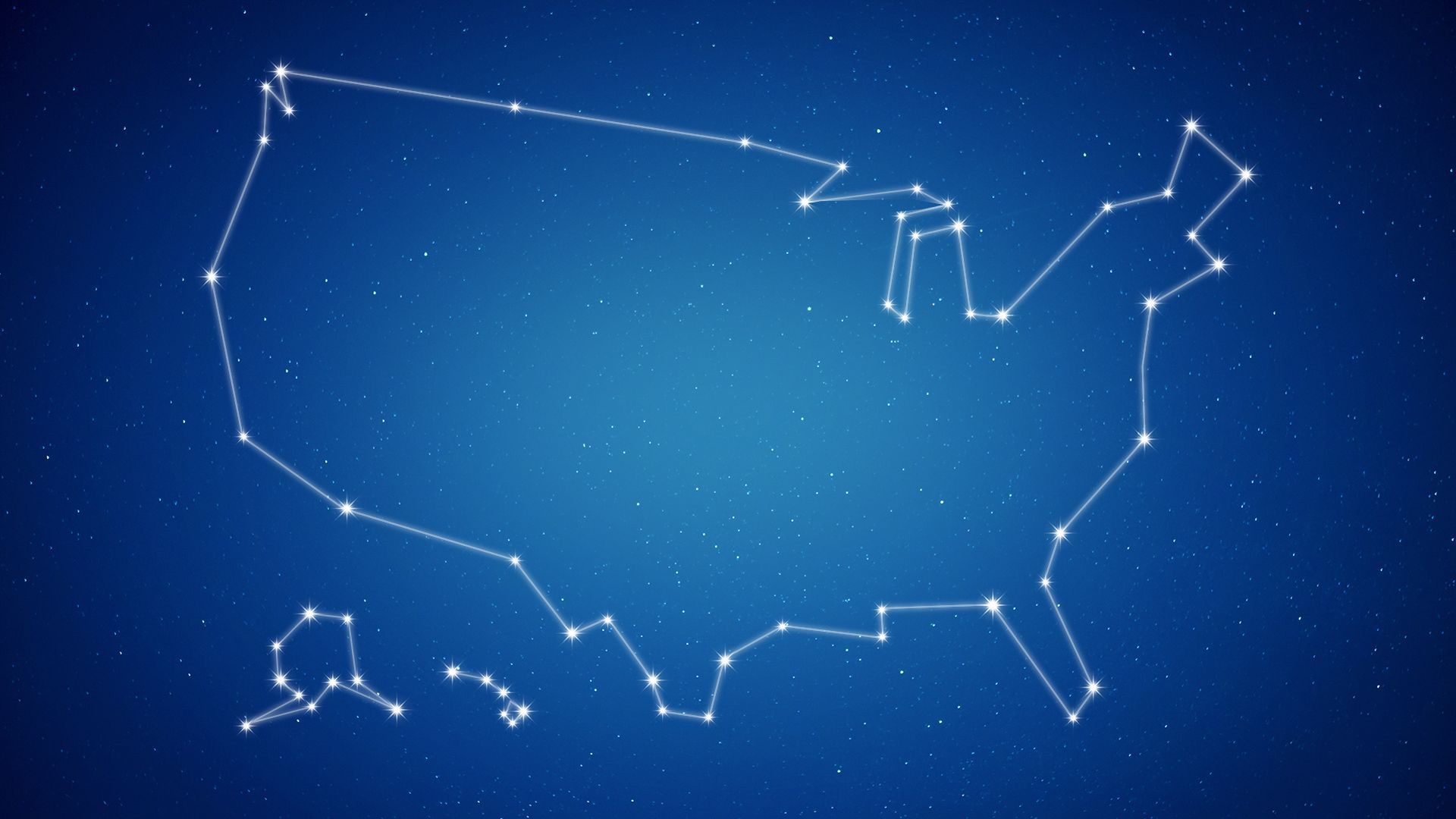
"Noctourism," traveling to bask in the glory of a stunning night sky, is set to be a major travel driver this coming year, Booking.com predicts.
Why it matters: The trend could bring travelers — and their dollars — to more remote locales with better night skies.
How it works: The U.S. is home to over 100 dark sky sanctuaries, parks and more, according to DarkSky, which calls itself "the globally recognized authority on light pollution issues and night sky conservancy."
Zoom in: The closest to Chicago are Middle Fork River Forest Preserve near Champaign and Dr. T.K. Lawless County Park, about 35 miles from South Bend, Indiana.
Zoom out: Many of the country's best dark sky sites are out West, like Arches National Park in Utah, Big Bend National Park in Texas, and Joshua Tree National Park in California.
- But the East has its night-sky gems, too, like Pennsylvania's Cherry Springs State Park and the AMC Maine Woods International Dark Sky Park.
If you go: Use Dark Site Finder's online map to help you plan some noctourism.
- Try downloading apps like Sky Guide, which uses your GPS coordinates to help you ID what planets and stars you're seeing in the evening sky — just keep the brightness low to avoid ruining your night vision.
- Also consider grabbing a flashlight or headlamp with red LEDs, for the same reason.
The intrigue: With the sun now in "solar maximum," it's also prime time for aurora-hunting in northern-latitude locales like Alaska, Iceland and the Nordic countries.
Yes, but: Some astronomers and stargazers are worried that the ever-increasing amount of satellites and space junk in low Earth orbit could mar our views of the night sky — perhaps forever.