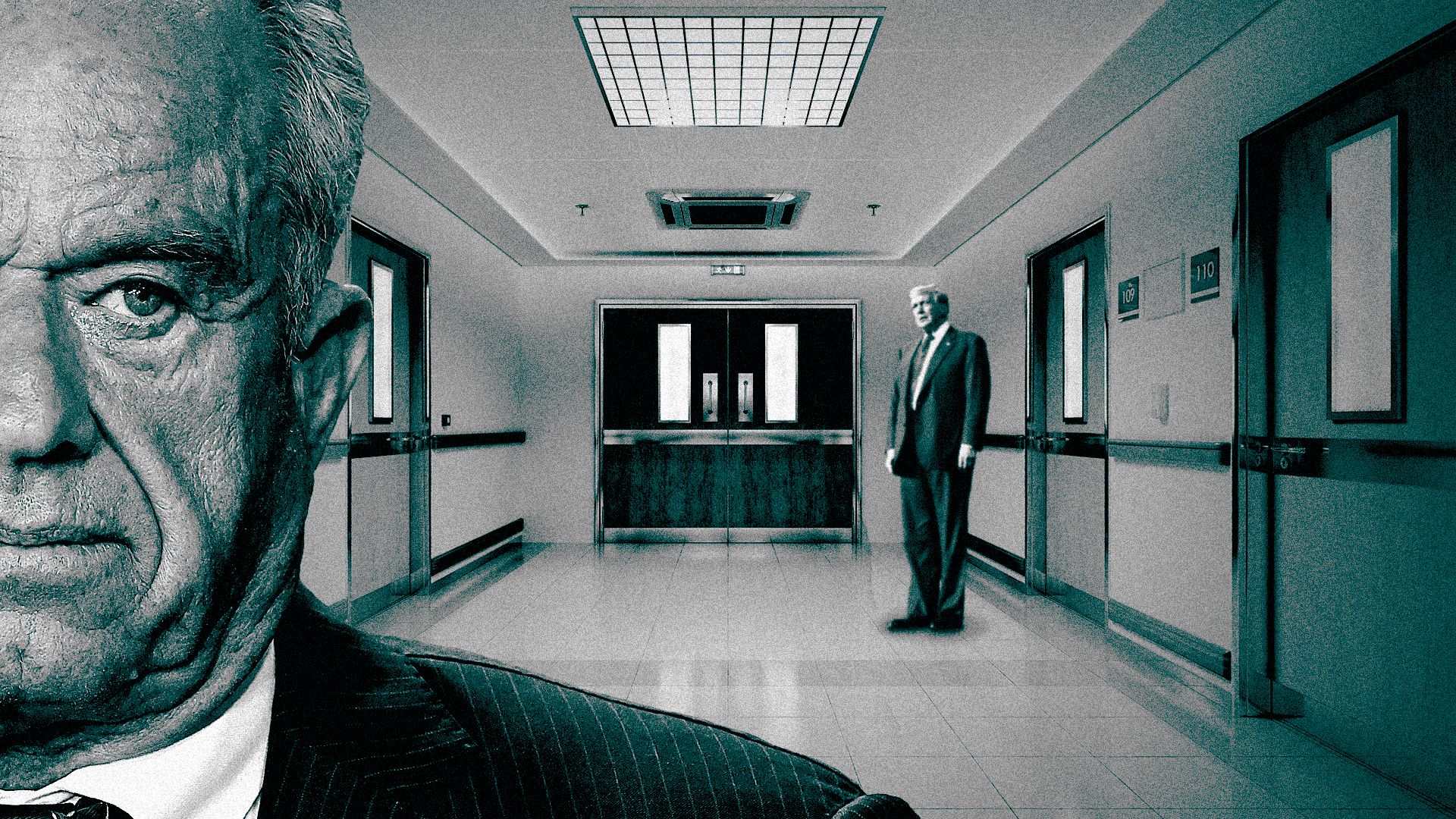
As Democrats in Congress start building out an affordability agenda for when they're next in power, hospitals are noticeably absent.
Why it matters: It's extremely difficult — if not impossible — to significantly reduce what patients (and the government) pay for their health care without touching providers.
For all of President Trump's talk of Big Pharma and big insurers, hospitals are emerging as the group most rocked by the policy changes of Trump 2.0.
Why it matters: Hospitals account for the single biggest category of national health spending, but unfavorable shifts in their finances could lead to care disruptions for patients around the country.
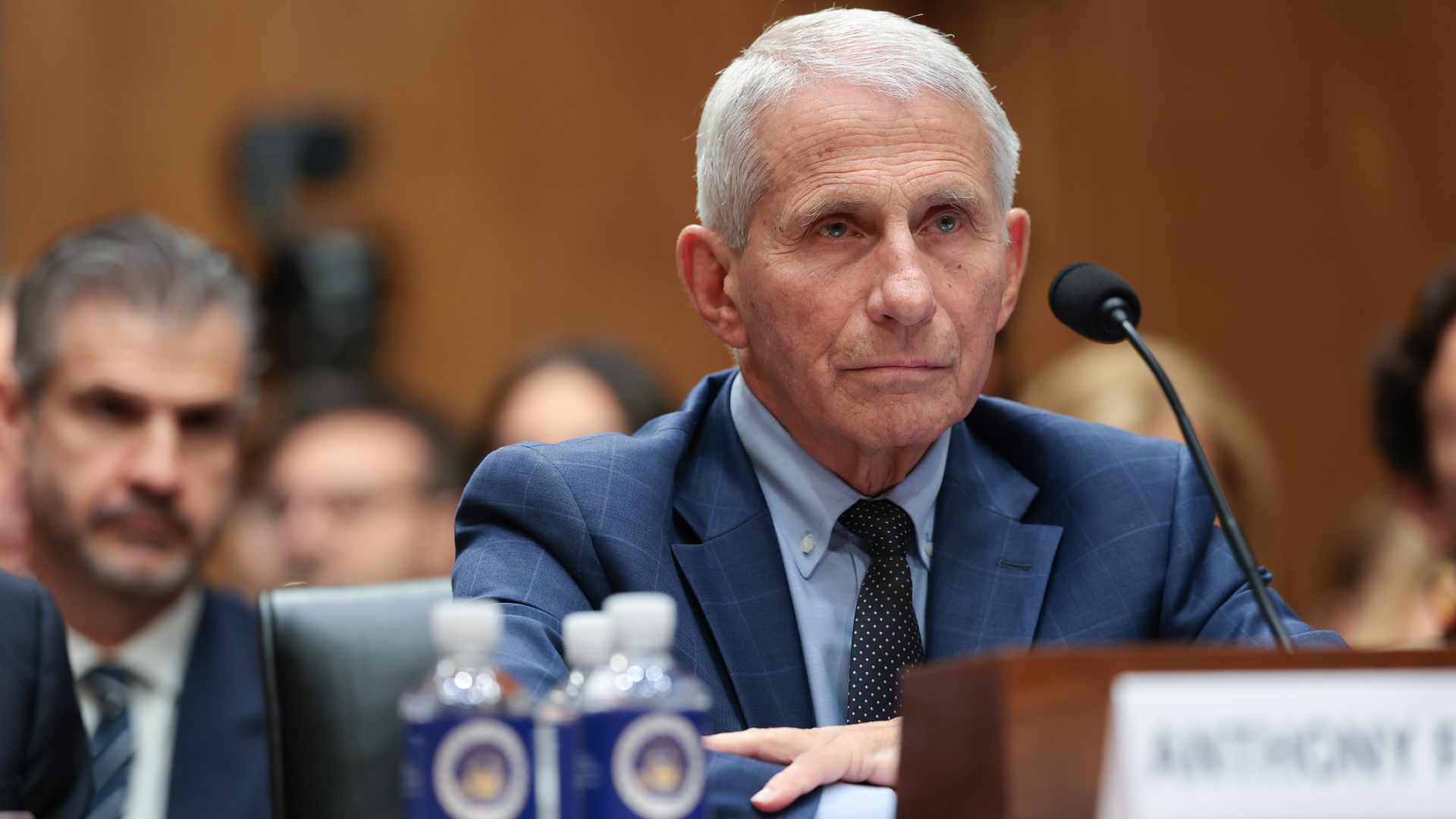
A Senate panel voted Thursday to hold Anthony Fauci in contempt for repeatedly declining to answer questions last week from lawmakers investigating the origins of the COVID-19 pandemic.
Why it matters: Sen. Rand Paul (R-Ky.) has said he will refer the contempt resolution to the Department of Justice for possible prosecution.
A Stanford-led research team has used generative AI to design a synthetic virus — the first time artificial intelligence has been harnessed to create an organism that has never been seen in nature.
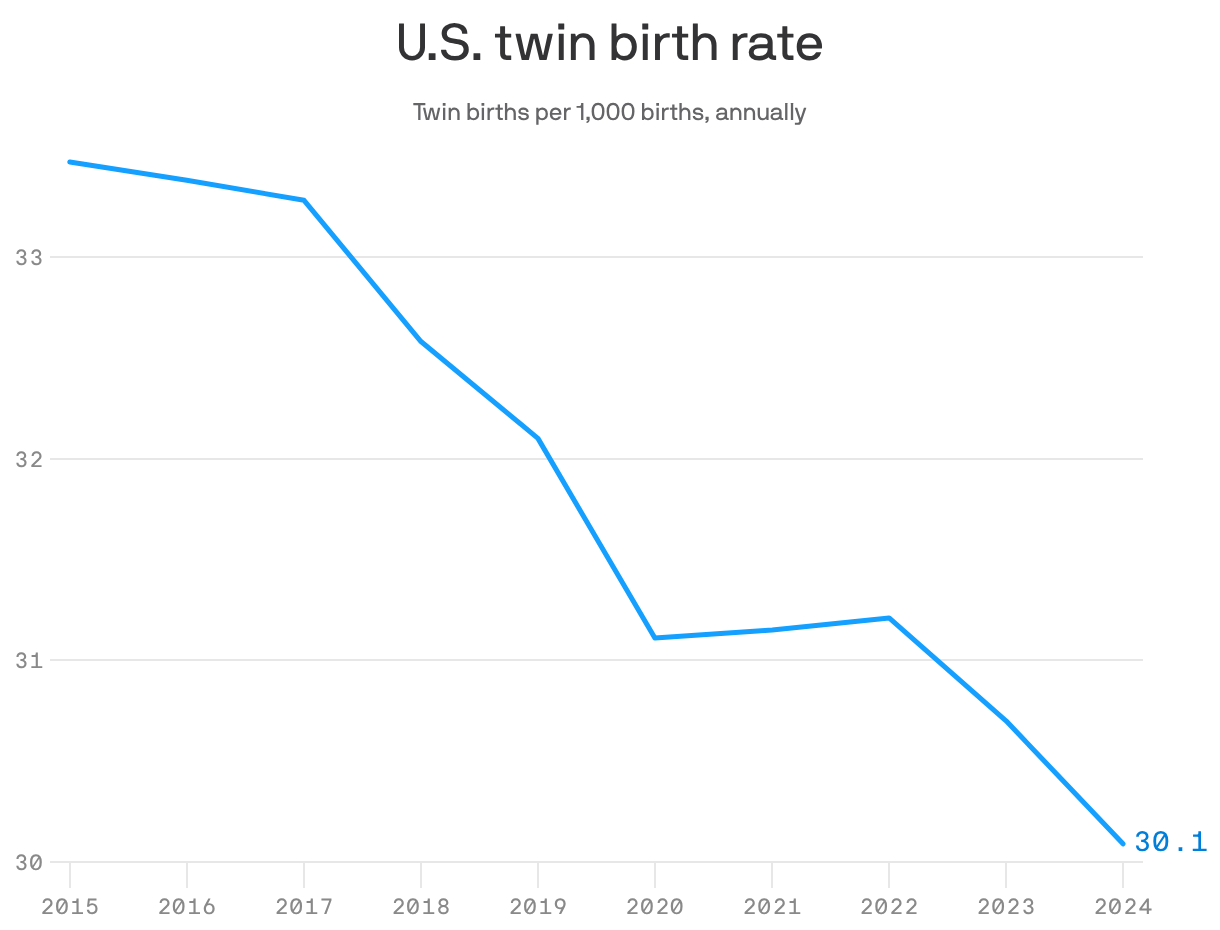
In the last decade, the rate of twin births has declined in the U.S., per CDC data.
The big picture: Early use of IVF contributed to a national twin baby boom. But once fertility treatments got more advanced, doctors increasingly recommended transferring a single embryo to reduce pregnancy risks.
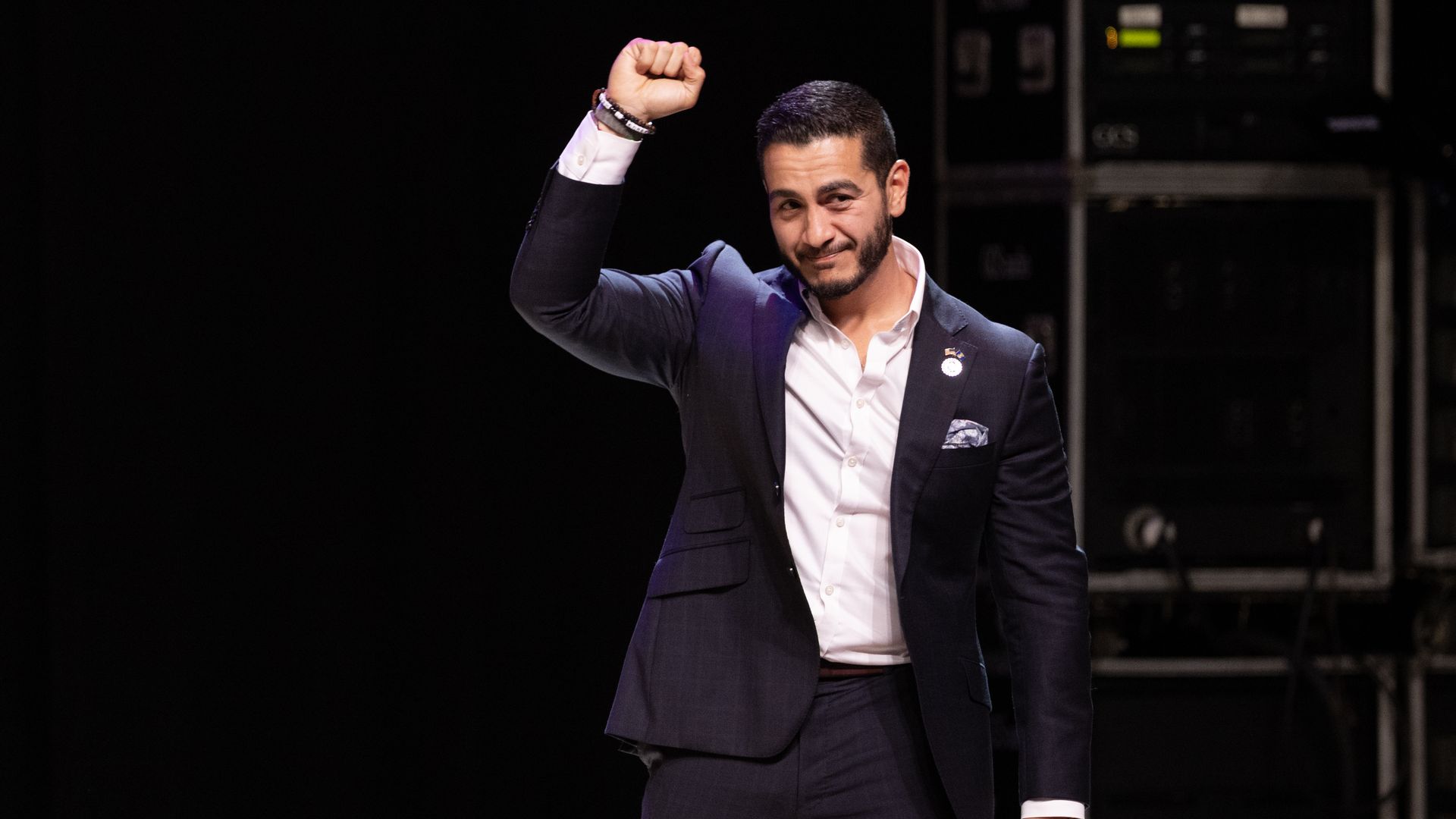
Abdul El-Sayed's victory in Michigan's Democratic primary for Senate raises the prospect of a rare new addition to the upper chamber: a progressive doctor — albeit one who doesn't practice medicine.
Why it matters: El-Sayed's medical degree and his experience in public health could bring a powerful new perspective to Washington health care debates — particularly those around Medicare for All, which he staunchly supports.
As America's dry spell stretches on, one of our most reliable forms of social glue is drying up with it: hanging out at a bar.
Why it matters: Americans are drinking less to protect their health, improve their sleep and feel sharper. But we still need "third places" outside home and work where people can gather without much of a plan.