Friday's health stories

Five ways Trump's budget request could affect the average American

President Trump's first federal budget proposal follows through on his campaign promise to slash large chunks of federal spending while boosting security, which could have ramifications for Americans' health care, education, and housing.
Why it matters: While presidential requests almost never survive the Congressional appropriations process intact, the GOP majority in both chambers could line up behind many of Trump's requested cuts.

The future of fertility

The rise of the pro-natalism movement and a historic low in new births have thrust the future of reproduction and fertility into the spotlight.
Why it matters: While there are many reasons Americans might be having fewer children, scientific advancements are creating extraordinary — and sometimes ethically fraught — new possibilities.
RFK Jr. calls for CDC plan for alternative measles treatments
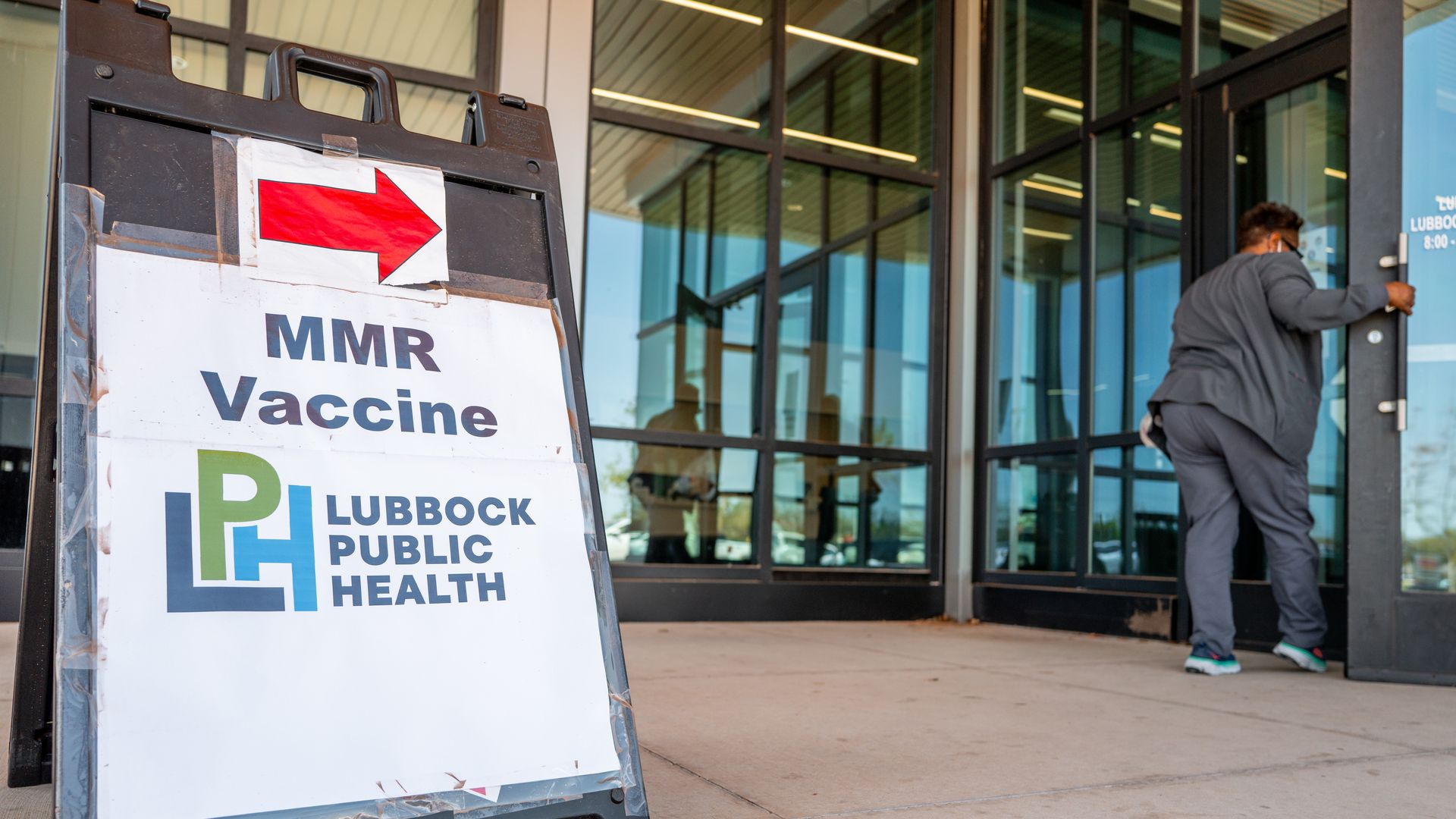
Health and Human Services Secretary Robert F. Kennedy Jr. is directing the Centers for Disease Control and Prevention to come up with treatments for measles using "existing drugs in combination with vitamins and other modalities."
Why it matters: The plan comes days after Kennedy downplayed the threat from the highly contagious disease and repeated misleading claims about measles vaccines.

Luigi Mangione's attorneys seek dismissal of state charges

Luigi Mangione's defense team is seeking to dismiss the New York state indictment against him, according to a motion filed Thursday.
The big picture: Mangione, who was charged with murder in the killing of UnitedHealthcare CEO Brian Thompson last year, is potentially facing the death penalty.


RFK Jr.'s latest vaccine plan threatens future of shots, experts say
A major change in the way HHS plans to evaluate vaccine safety is raising fears that approvals will become unnecessarily onerous and make shots for COVID-19 and other viruses scarcer.
Why it matters: The change under Secretary Robert F. Kennedy Jr. could result in a slow-walking of innovative technologies for future vaccines and runs counter to long-held ethical and scientific standards for ensuring vaccines are safe and effective.
DOJ alleges Medicare Advantage plans paid illegal kickbacks
The Justice Department on Thursday sued three of the biggest Medicare Advantage insurers, charging they paid insurance brokers hundreds of millions of dollars in illegal kickbacks to steer seniors into their plans.
Why it matters: The case in U.S. District Court for the District of Massachusetts signals that the Trump administration is open to scrutinizing the privately-run Medicare program that now covers more than half of U.S. seniors.
- "We are committed to rooting out illegal practices by Medicare Advantage insurers and insurance brokers that undermine the interests of federal health care programs and the patients they serve," Deputy Assistant Attorney General Michael Granston said in a release.
Where it stands: The False Claims Act complaint states that Aetna, Elevance (formerly Anthem) and Humana entered into illegal agreements with Medicare brokerages eHealth, GoHealth and SelectQuote to get them to enroll more seniors in their respective plans.
- Both the insurers and the brokers knew these arrangements, which stretched from 2016 through at least 2021, were illegal, the complaint states. The brokers are also named as defendants.
- DOJ also alleges that Aetna and Humana leveraged illegal kickbacks to brokers to enroll fewer Medicare enrollees with disabilities, since they're often more expensive to cover.
Medicare Advantage plans are typically required to accept any eligible senior in their service area who wishes to enroll, regardless of pre-existing conditions.
What they're saying: "We are still reviewing the complaint, but disagree with the allegations and intend to defend the case vigorously," Phillip Blando, executive director of external affairs for Aetna and CVS Caremark, told Axios.
- Humana also said in a statement that it strongly disagrees with the allegations and will defend itself in the legal proceedings.
- GoHealth told Axios it was disappointed in the government's decision to intervene several years after an initial whistleblower complaint was filed.
- "We intend to vigorously defend against these allegations, and we will not allow this litigation to distract from our mission to provide peace of mind to the Medicare beneficiaries that we serve," the company said in a statement.
- Elevance, eHealth and SelectQuote did not immediately respond to Axios request for comment.
The Justice Department is asking a judge to require the companies pay back all damages to the government plus maximum applicable fines for each False Claims Act violation.
HHS report questions evidence for youth gender care

HHS released a review Thursday that asserts gender-affirming care for minors has significant risks with little evidence of benefit.
Why it matters: The 409-page document contrasts the policies of major medical associations including the American Academy of Pediatrics, who say gender-affirming care can be life saving for transgender adolescents.
FDA to query compounding pharmacies amid safety concerns

The Food and Drug Administration plans to survey compounding pharmacies that make specialized copies of prescription drugs amid ongoing concerns over quality and safety problems at the facilities, according to a notice the agency released Wednesday.
Why it matters: Compounded drugs by nature aren't FDA-approved. They've proliferated over the past two years, largely due to demand for copycat GLP-1 drugs for weight loss, many of which are sold online. Hormone-based therapies and pain medicines also are frequently compounded.
Hospitals begin to grapple with tariff fallout

Hospitals across the country are starting to reckon with the effects President Trump's tariffs are having on medical supplies like syringes and PPE, and in some cases freezing spending and making other contingencies.
Why it matters: A global trade war could bring a return to pandemic disruptions if imported goods that health systems purchase in high volumes from China can't be replenished. And there's still the prospect of Trump's tariffs on pharmaceuticals.